Gardening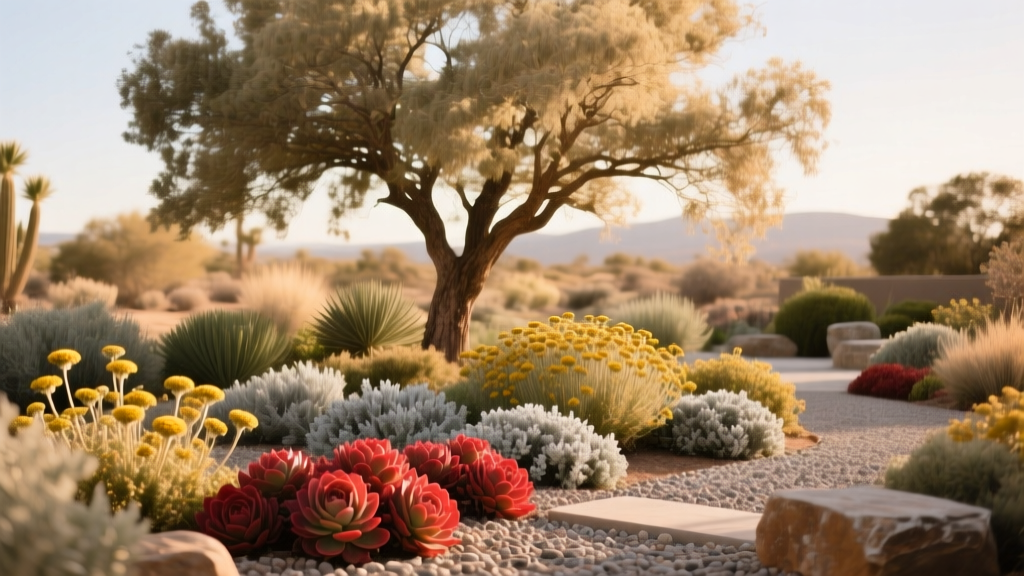
Drought-Tolerant Tree & Understory Garden: Sedum & Yarrow 2026
Anna KowalskiPublished
The 2026 Approach to Xeriscaping: Canopy and Understory Synergy
As we navigate the shifting climate patterns and stricter municipal water regulations of 2026, water-wise gardening has transitioned from a niche trend to an absolute necessity for homeowners and landscape professionals alike. However, true drought tolerance is not achieved simply by scattering a few succulents in a barren yard or hiding behind heavy, water-retaining wood mulches. The most resilient and visually stunning landscapes rely on holistic design principles, specifically the synergy between canopy tree selection and understory planting.
When you select the right drought-tolerant trees and pair them with shallow-rooted, sun-loving perennials like sedum and yarrow, you create a living mulch. This living groundcover suppresses weeds, cools the soil surface, and drastically reduces evaporation without competing aggressively with your trees for deep water reserves. This comprehensive guide explores the precise methodology for integrating sedum and yarrow into your tree planting strategy, ensuring a thriving, low-water ecosystem that thrives in the heat of 2026 and beyond.
Selecting the Right Drought-Tolerant Trees for Understory Planting
Not all trees are suitable candidates for understory planting. If a tree has a dense, weeping canopy, it will block the vital sunlight that sedum and yarrow require to bloom. Similarly, trees with aggressive, shallow surface roots will outcompete perennials for moisture and make digging planting holes nearly impossible without damaging the tree's vascular system. For a successful sedum and yarrow understory, you must select trees with deep taproots or non-invasive root structures and an open, dappled canopy.
Top Tree Recommendations for 2026 Xeriscapes
- Desert Willow (Chilopsis linearis): A stunning, multi-trunked tree that thrives in intense heat. Its wispy, open canopy allows abundant sunlight to reach the ground, making it the perfect architectural anchor for a vibrant yarrow and sedum bed.
- Chinkapin Oak (Quercus muehlenbergii): Unlike many oaks that hoard surface water, the Chinkapin Oak develops a deep taproot. Its leaves are relatively small, casting a dappled, high-filtered shade that protects sedum from the harshest midday sun while allowing enough light for robust growth.
- Crape Myrtle (Lagerstroemia indica): When properly pruned to elevate the canopy, Crape Myrtles provide excellent structural height and seasonal color. Their root systems are generally well-behaved, allowing ample room for perennial understory companions.
Tree and Understory Compatibility Chart
| Tree Species | Canopy Density | Root Structure | Understory Compatibility |
|---|---|---|---|
| Desert Willow | Open / Airy | Deep Taproot | Exceptional |
| Chinkapin Oak | Dappled / Moderate | Deep Taproot | Excellent |
| Crape Myrtle | Moderate (Prunable) | Fibrous / Deep | Very Good |
| Southern Magnolia | Dense / Opaque | Shallow / Surface | Poor (Avoid) |
Why Sedum and Yarrow are the Ultimate Understory Companions
Sedum (Stonecrop) and Yarrow (Achillea) are the undisputed champions of the drought-tolerant understory. Both genera possess specialized physiological adaptations that allow them to thrive in the dry, often nutrient-poor soil found beneath established trees.
According to the USDA Plants Database, Sedum species utilize Crassulacean Acid Metabolism (CAM) photosynthesis. This means they open their stomata at night to collect carbon dioxide, drastically reducing water loss through transpiration during the hot daytime hours. This makes them incredibly efficient water users, ensuring they never steal vital moisture from your canopy trees.
Yarrow, specifically the native Achillea millefolium and its cultivated hybrids, features deep, fibrous root systems that help break up compacted soil and improve water infiltration. As noted by the Lady Bird Johnson Wildflower Center, yarrow is exceptionally resilient, capable of surviving severe droughts once established, while simultaneously attracting vital pollinators to your garden ecosystem.
Best Sedum Cultivars for Tree Understories
- Sedum 'Angelina': A low-growing, mat-forming sedum with brilliant golden-yellow foliage. It thrives in the dappled shade of an oak canopy and provides a striking color contrast against dark tree bark.
- Sedum 'Thundercloud': Features pointed, grey-green leaves and white star-shaped flowers. It forms a tight, weed-suppressing mound that is perfect for planting near the base of a Desert Willow.
- Hylotelephium 'Autumn Joy': A taller, upright sedum best placed at the outer edges of the tree's drip line where it receives maximum afternoon sun and space to expand.
Best Yarrow Cultivars for Drought Gardens
- Achillea 'Moonshine': Produces bright, lemon-yellow flower clusters atop silvery, fern-like foliage. It is highly sterile, meaning it won't aggressively reseed and invade your tree's root zone.
- Achillea 'Strawberry Seduction': Offers rich, velvety red blooms that fade to pink, providing a warm color palette that complements the peeling bark of a Crape Myrtle.
Soil Preparation: The Foundation of Drought Tolerance
The most common mistake gardeners make when planting under trees is amending the soil with rich, moisture-retaining compost. While vegetables love compost, sedum and yarrow will rot at the crown if the soil holds too much water. Furthermore, adding thick layers of topsoil over a tree's root zone can suffocate the tree by cutting off oxygen exchange.
For 2026 xeriscaping standards, focus on improving soil drainage and aeration without altering the soil grade around the tree trunk. Incorporate inorganic amendments like expanded shale, pumice, or coarse builder's sand into the top three inches of the existing soil. These materials create microscopic air pockets that allow water to percolate rapidly down to the tree's deep roots while keeping the shallow roots of the sedum and yarrow relatively dry and rot-free.
Step-by-Step Planting Guide Around Established Trees
Planting beneath an existing tree requires a delicate touch to avoid severing critical structural roots. Follow these steps to ensure the health of both your canopy and your understory:
- Map the Root Zone: Identify the tree's critical root zone (CRZ), typically defined as a circle with a radius of one foot for every inch of trunk diameter. Avoid digging large holes within this inner circle.
- Locate the Drip Line: The drip line is the outer edge of the tree's canopy. This is the sweet spot for planting yarrow and taller sedums, as it receives optimal rainfall runoff and sunlight.
- Use a Trowel, Not a Shovel: When digging holes for your perennials, use a hand trowel. If you encounter a root thicker than a pencil, do not cut it. Simply backfill the hole and move your plant six inches to the left or right.
- Plant High: Plant sedum and yarrow slightly higher than they were in their nursery pots. Mounding the soil slightly ensures that water drains away from the plant's crown, preventing fungal diseases.
- Apply Inorganic Mulch: Replace traditional wood chips with a two-inch layer of decomposed granite or pea gravel. Gravel reflects heat, suppresses weeds, and prevents the lower leaves of the sedum from sitting in damp organic matter.
Irrigation and Maintenance Strategies for 2026
According to the University of California's WUCOLS database, grouping plants by hydrozones is the golden rule of water conservation. Fortunately, newly planted trees, sedum, and yarrow can share a temporary irrigation zone during their first year of establishment, but their long-term needs must be managed carefully.
The Establishment Phase (Months 1-12)
During the first year, utilize a Netafim drip irrigation system with inline emitters spaced 12 inches apart. Lay the drip lines in a spiral pattern starting from the base of the tree and moving outward past the drip line. Water deeply but infrequently—typically once every 10 to 14 days during the summer heat—to encourage both the tree and the perennials to send roots deep into the soil profile.
The Mature Phase (Year 2 and Beyond)
By the second year, your trees should be transitioned to a deep, infrequent watering schedule using high-flow drip emitters or soaker hoses placed exclusively at the tree's drip line. The sedum and yarrow, now fully established, should be entirely removed from the automated irrigation system. In most climate zones, established sedum and yarrow will survive on ambient rainfall alone. Overwatering mature yarrow leads to floppy, weak stems and powdery mildew, while overwatering sedum causes rapid, leggy growth and crown rot.
Seasonal Care Calendar
- Spring: Cut back dead yarrow foliage to the ground as soon as new green shoots emerge from the base. Divide overcrowded sedum clumps if necessary, and refresh the gravel mulch to maintain a 2-inch depth.
- Summer: Deadhead spent yarrow blooms to encourage a second, albeit smaller, flush of flowers in early autumn. Monitor the tree canopy and prune any low-hanging branches that are casting too much dense shade on the sun-loving perennials.
- Fall: Stop all irrigation. Allow the taller sedum varieties like 'Autumn Joy' to dry out and turn a beautiful rustic brown; their seed heads provide vital winter food for local bird populations and add striking structural interest to the dormant garden.
- Winter: Avoid the temptation to fertilize. Sedum and yarrow thrive in lean soils; adding nitrogen fertilizers will only result in weak, disease-prone growth the following spring.
Conclusion: Building a Resilient Landscape
Designing a drought-tolerant garden in 2026 requires looking beyond individual plants and focusing on the relationships between them. By carefully selecting open-canopied, deep-rooted trees and underplanting them with the resilient, water-storing foliage of sedum and the pollinator-magnet blooms of yarrow, you create a landscape that is as ecologically functional as it is visually breathtaking. This layered approach not only conserves precious water resources but also transforms the often-neglected space beneath trees into a vibrant, thriving habitat.
