
Landscaping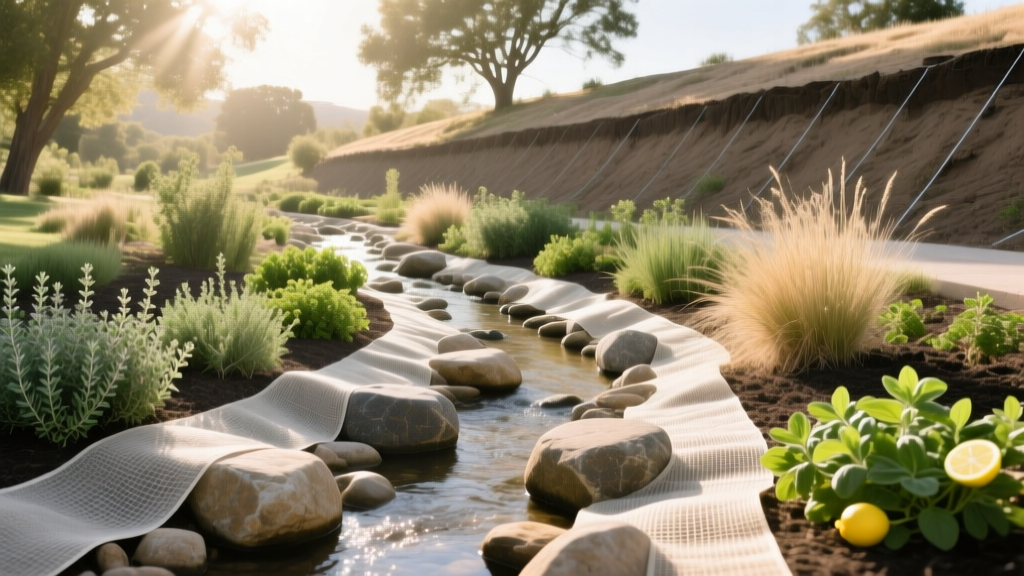
Dry Creek Bed Design With River Rock For 2026 Edibles
David ParkPublished
The Intersection of Hardscaping and Foodscaping in 2026
In 2026, the integration of functional hardscaping and productive foodscaping has become a cornerstone of modern landscape design. Edible landscapes, or foodscapes, require meticulous attention to soil health, moisture retention, and drainage. While raised beds and organic mulches often dominate the conversation, managing heavy water runoff is equally critical. A poorly drained edible garden can lead to root rot, nutrient leaching, and severe topsoil erosion. This is where the strategic implementation of a dry creek bed design with river rock and landscape fabric becomes an invaluable asset to your edible landscape.
A dry creek bed is not merely a decorative feature; it is a highly effective, passive drainage solution that mimics natural waterways. When routed correctly around your edible zones, it captures excess stormwater, directs it away from vulnerable crop roots, and prevents the washing away of expensive organic composts. By combining food-safe river rock with high-quality woven landscape fabric, you can create a durable, low-maintenance drainage artery that complements your foodscaping goals without introducing harmful chemicals into your soil.
Why Edible Landscapes Need Superior Drainage
Most common edible crops, including tomatoes, peppers, and leafy greens, thrive in well-draining soil. When water pools around the base of these plants, it displaces oxygen in the soil profile, leading to anaerobic conditions and fatal root diseases like Phytophthora. Furthermore, heavy spring rains can carve deep gullies through unprotected garden beds, stripping away the nutrient-rich topsoil you have spent seasons building.
According to the Environmental Protection Agency (EPA), managing stormwater runoff through green infrastructure and permeable landscape features is essential for maintaining soil integrity and preventing localized flooding. In an edible landscape, a dry creek bed acts as a controlled spillway. It intercepts water from downspouts, sloped driveways, or higher elevation garden tiers, safely channeling it to a designated outfall or rain garden without disturbing the delicate root systems of your food-producing plants.
Selecting Food-Safe River Rock and Landscape Fabric
When designing a dry creek bed adjacent to edible crops, material selection is paramount. You must ensure that neither the rocks nor the fabric will leach toxins or drastically alter your soil chemistry.
Choosing the Right River Rock
River rock is smooth, rounded, and naturally tumbled by water, making it ideal for simulating a natural creek bed. For a 2026 foodscaping project, you will need three distinct sizes to create a realistic and functional hydraulic profile:
- Accent Boulders (8 to 14 inches): Placed along the outer curves of the creek bed to anchor the design and slow down rushing water.
- River Cobbles (2 to 5 inches): The primary stone used to fill the main channel. Their size allows water to flow over and through them without washing away.
- Crushed River Gravel or Pea Gravel (3/8 inch): Used to fill the gaps between the larger cobbles, locking them in place and creating a natural-looking creek floor.
Crucial Foodscaping Warning: Avoid using limestone or crushed marble in your dry creek bed if you are growing acid-loving edibles like blueberries, cranberries, or potatoes. These stones are highly alkaline and will gradually raise the pH of your surrounding soil as water washes over them. Stick to inert, silica-based river rocks like granite or basalt to maintain a neutral pH balance.
The 2026 Standard for Landscape Fabric
In the past, cheap, non-woven landscape fabrics were the industry standard. However, these materials degrade under UV exposure, breaking down into microplastics that can contaminate edible soil zones. In 2026, the standard for foodscaping is heavy-duty woven polypropylene geotextile fabric (minimum 4 oz per square yard) or biodegradable woven jute/coir mats.
Woven fabric allows water to permeate vertically into the soil below while preventing weeds from pushing up through the river rock. More importantly, it creates a permanent physical barrier between the rocks and the soil, meaning you will never have to dig contaminated gravel out of your edible beds. As noted by the Royal Horticultural Society (RHS), using inorganic mulches like gravel over a permeable membrane is an excellent way to suppress weeds and retain soil moisture without altering soil chemistry, provided the membrane is of high quality.
Step-by-Step Installation for the Edible Garden
Building a dry creek bed requires careful planning and physical labor. Follow these steps to ensure your drainage feature protects your edible landscape for decades.
Step 1: Mapping and Trenching
Observe your yard during a heavy rainstorm to identify the natural flow of water. Mark the proposed path of your creek bed using landscaping paint. Ensure the path maintains a gentle slope of at least 1 inch of drop for every 10 feet of length to encourage gravity-fed drainage. Dig a trench that is 18 to 24 inches wide and 12 to 18 inches deep. Create gentle, undulating curves rather than straight lines to mimic nature and slow the velocity of the water.
Step 2: Laying and Anchoring the Fabric
Remove any sharp roots or rocks from the trench floor. Roll out your woven landscape fabric, ensuring it extends at least 6 inches up the sides of the trench. Overlap any seams by a minimum of 6 inches, with the upper layer overlapping the lower layer like shingles on a roof. Secure the fabric using 6-inch galvanized steel landscape U-pins, placing them every 2 feet along the edges and seams.
Step 3: Strategic Rock Placement
Begin by placing your large accent boulders along the outside edges of the curves. Bury the bottom 20% of each boulder in the soil (beneath the fabric, if necessary, or tucked tightly against it) to make them look naturally settled. Next, pour in the 2 to 5-inch river cobbles, filling the trench to within 2 inches of the surrounding soil grade. Finally, broadcast the 3/8-inch crushed river gravel over the top, using a stiff broom to sweep it into the crevices between the larger cobbles. This interlocking layer prevents the larger rocks from shifting during heavy downpours.
Designing the Edible Banks: Microclimates and Plant Selection
The edges of your dry creek bed offer unique microclimates that can be leveraged for specific edible crops. The lower banks near the outfall will retain more ambient moisture, while the upper crests will drain rapidly and dry out quickly. According to Penn State Extension, matching plant moisture requirements to the specific hydrology of your landscape features is key to long-term plant health and reduced irrigation needs.
| Zone | Location | Recommended Edibles (2026 Varieties) | Moisture Profile |
|---|---|---|---|
| Zone 1 | Creek Bottom / Outfall | Watercress, Taro, Mint (strictly contained in pots) | High / Boggy |
| Zone 2 | Mid-Bank Transition | Rhubarb, Asparagus, Horseradish, Swiss Chard | Moderate / Consistent |
| Zone 3 | Upper Bank / Crest | Rosemary, Thyme, Artichoke, Lavender, Oregano | Low / Drought-Tolerant |
By planting drought-tolerant Mediterranean herbs on the upper crests, you capitalize on the rapid drainage provided by the adjacent river rock. Conversely, the outfall zone is perfect for water-loving edibles that would typically rot in standard garden beds. Always ensure that aggressive growers like mint are planted in sunken, bottomless containers along the bank to prevent them from invading the creek bed and clogging the river rock.
2026 Maintenance Protocols for Edible Dry Creek Beds
One of the greatest advantages of a river rock dry creek bed is its minimal maintenance footprint. However, to keep it functioning optimally and to protect your adjacent foodscaping, a few seasonal tasks are required.
- Debris Removal: In the fall, use a leaf blower on a low setting to remove fallen leaves and organic debris from the river rock. If left to decompose, this matter will create a soil layer on top of the fabric, inviting weed seeds and blocking water permeability.
- Weed Management: If any wind-blown weed seeds manage to germinate in the gravel layer, pull them immediately before they establish deep roots that could puncture the woven fabric. Avoid using chemical herbicides near the creek bed, as runoff will carry these chemicals directly into your edible zones.
- Rock Top-Ups: Over time, some of the smaller pea gravel may wash toward the outfall. Every two to three years, inspect the creek bed and add a fresh 1-inch layer of crushed river gravel to maintain the interlocking matrix and keep the landscape fabric completely hidden from UV rays.
Conclusion
Integrating a dry creek bed into your edible landscape is a brilliant fusion of aesthetics and agricultural utility. By utilizing inert river rock and high-quality woven landscape fabric, you safeguard your soil structure, prevent catastrophic erosion, and create diverse microclimates for a wider variety of crops. As foodscaping continues to evolve in 2026, mastering these hardscaping techniques will ensure your edible garden remains resilient, productive, and beautifully structured for years to come.

