
Landscaping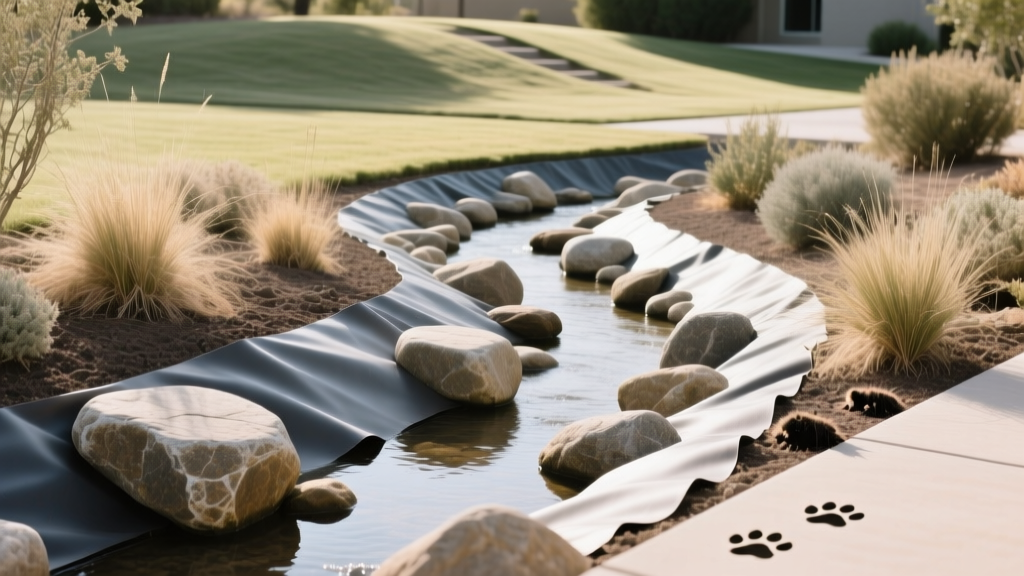
2026 Dry Creek Bed Design: River Rock & Wildlife Management
Lisa ThompsonPublished
The Intersection of Drainage and Wildlife Management in 2026
As climate patterns continue to shift in 2026, homeowners are experiencing heavier, more concentrated spring downpours followed by intense summer dry spells. Managing stormwater runoff is no longer just about preventing a soggy lawn; it is about protecting your property's foundation and preserving the local ecosystem. A dry creek bed is one of the most effective landscaping features for channeling excess water away from vulnerable areas. However, when viewed through the lens of wildlife and yard animal management, a poorly designed dry creek bed can inadvertently become a superhighway for destructive burrowing pests or a hazardous trap for beneficial amphibians.
According to the EPA Green Infrastructure guidelines, integrating natural drainage solutions like dry swales and creek beds is essential for modern stormwater management. Yet, landscaping professionals and wildlife biologists now emphasize that the materials you choose—specifically the landscape fabric and the size of the river rock—dictate whether your drainage feature will harmonize with local fauna or invite unwanted rodent activity. This comprehensive guide will walk you through designing and installing a dry creek bed in 2026 that solves your drainage woes while actively deterring voles, moles, and groundhogs.
Why Standard Dry Creek Beds Fail Against Burrowing Pests
Many DIY dry creek beds fail within three years, not because of water flow issues, but because of wildlife interference. Voles, in particular, are notorious for utilizing shallow trenches and loose gravel to create protected runways. These small, herbivorous rodents travel just beneath the surface or under the cover of loose stones to gnaw on the roots of your prized ornamental trees and shrubs. If your dry creek bed is filled with pea gravel or small crushed stone, you have essentially built a perfectly climate-controlled, predator-proof tunnel system for voles.
Moles present a different challenge. While moles primarily hunt grubs and earthworms deep in the soil, the soft, disturbed earth of a newly dug creek bed trench is incredibly easy for them to excavate. Furthermore, if the landscape fabric used is thin or degrades quickly under UV exposure and soil acidity, weeds will penetrate the barrier. These weeds attract insects, which in turn attract foraging animals that will tear up the river rock to reach their prey, completely destroying the structural integrity of your drainage bed.
Selecting the Right Landscape Fabric for Ecosystem Health
In 2026, the consensus among landscape architects is to abandon cheap, non-woven weed barriers for major hardscaping projects. Non-woven fabrics act like felt; they hold moisture, restrict soil aeration, and eventually clog with silt, creating an anaerobic environment that harms the soil microbiome and encourages shallow root rot in nearby plants.
Instead, you must use a heavy-duty, woven geotextile fabric. Look for a fabric weight of at least 4.4 ounces per square yard. Woven geotextile allows water to pass through rapidly via the gaps in the weave, but it is incredibly difficult for weeds to penetrate. More importantly for wildlife management, a thick woven fabric creates a tough, physical barrier that discourages shallow-burrowing pests from tunneling directly beneath the rock layer. When installing the fabric, ensure it extends at least 12 inches up the sides of the trench. This overlapping 'bowl' shape prevents animals from sneaking under the edges and burrowing into the adjacent lawn.
Choosing River Rock Sizes to Deter Pests
The size and shape of your stone are the most critical factors in wildlife deterrence. Pea gravel (under 1 inch) is entirely unsuitable for wildlife-prone areas. It is easily displaced by small animals and provides the exact type of loose, shifting cover that rodents seek. Conversely, using massive boulders (8 inches or larger) creates deep, dark void spaces between the stones. These large gaps are highly attractive to snakes seeking shelter and can become hazardous traps for small amphibians like toads and frogs, whose permeable skin requires smooth, safe transit routes across your yard.
The gold standard for 2026 dry creek bed design is 3-inch to 5-inch rounded river rock. This specific size is heavy enough that voles and mice cannot easily move the stones to create runways. The rounded edges are safe for amphibians crossing the bed during wet weather. Furthermore, when packed together, 3-5 inch river rock leaves enough space for high-volume water flow during heavy storms, but the gaps are too shallow and exposed to provide the concealed, tight-fitting tunnels that rodents prefer.
2026 Material Cost and Wildlife Impact Breakdown
Understanding the financial and ecological trade-offs of your materials is vital for a successful project. Below is a comparison of common drainage materials based on early 2026 pricing and their impact on yard wildlife.
| Material Type | 2026 Avg Cost (Bulk) | Wildlife Impact | Drainage Rating |
|---|---|---|---|
| Pea Gravel (3/8 inch) | $45 - $55 per ton | Poor: Encourages vole runways and rodent nesting. | High |
| Crushed Limestone (1-2 inch) | $50 - $60 per ton | Poor: Sharp edges harm amphibians; compacts over time. | Moderate |
| 3-5 Inch Rounded River Rock | $75 - $95 per ton | Excellent: Deters burrowing, safe for frogs, no snake voids. | Very High |
| Large Boulders (8+ inch) | $120 - $150 per ton | Moderate: Creates hiding spots for snakes and predators. | Very High |
| Heavy Woven Geotextile Fabric | $0.85 - $1.10 per sq ft | Excellent: Blocks weeds, stops sub-surface tunneling. | High (Permeable) |
Step-by-Step Wildlife-Friendly Installation Guide
Step 1: Trenching and Grading
Map out the natural flow of water in your yard. Dig a trench that is 3 to 4 feet wide and 18 to 24 inches deep. The key to preventing erosion and stagnant water is maintaining a consistent slope. Aim for a 1% to 2% grade (a drop of 1 to 2 inches for every 10 feet of length). To further deter burrowing animals from entering the trench from the sides, pack the soil walls tightly and consider installing a vertical physical barrier, such as galvanized hardware cloth, buried 12 inches deep along the most vulnerable edges of the bed.
Step 2: Securing Heavy-Duty Geotextile Fabric
Roll out your 4.4 oz woven geotextile fabric over the entire trench, ensuring it overlaps the edges by at least 12 inches. If you need to use multiple pieces of fabric, overlap them by a minimum of 18 inches in the direction of the water flow so that water does not catch the seam and lift the fabric. Secure the fabric using 6-inch galvanized landscape staples placed every 2 feet along the edges and seams. This tight pinning prevents animals from lifting the fabric to nest underneath.
Step 3: Layering the River Rock
While a single layer of 3-5 inch river rock is often sufficient, a two-tier approach provides superior stability against both water force and animal interference. First, lay down a 4-inch base layer of slightly smaller, 2-inch rounded river rock. This base layer locks into the fabric and fills the lowest voids. Next, add a 6-inch to 8-inch top layer of your primary 3-5 inch river rock. The varying sizes will interlock naturally, creating a heavy, stable matrix that water can easily flow through, but that is virtually impossible for small mammals to displace.
Edge Planting for Beneficial Wildlife
A dry creek bed should not exist in a sterile vacuum. To truly embrace the principles outlined by the National Wildlife Federation's Garden for Wildlife program, you must soften the hardscaping with native riparian plants. Planting native species along the edges of your creek bed serves a dual purpose: it stabilizes the soil with deep root systems and attracts beneficial wildlife that naturally manages pest populations.
In 2026, top recommendations for creek bed margins include Swamp Milkweed (Asclepias incarnata), Joe-Pye Weed (Eutrochium purpureum), and Blue Flag Iris (Iris versicolor). These plants thrive in the fluctuating moisture levels typical of a dry creek bed's edge. More importantly, they attract native pollinators, predatory wasps, and insectivorous birds. A robust bird population is one of the most effective natural deterrents against the very insects and grubs that attract moles to your yard in the first place. By combining heavy-duty fabric, properly sized river rock, and strategic native planting, your dry creek bed will function as a beautiful, low-maintenance drainage solution that actively supports a balanced, pest-resistant yard ecosystem.

