Gardening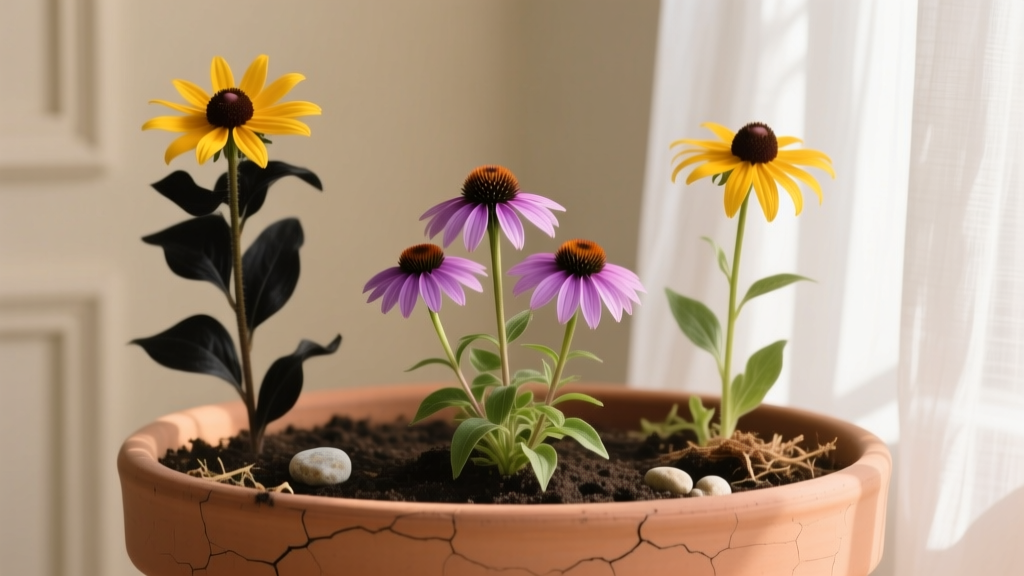
2026 Container Guide: Coneflower & Black-Eyed Susan Perennial Pots
Anna KowalskiPublished
Bringing the Prairie to Your Patio: 2026 Container Trends
For decades, gardeners believed that deep-rooted prairie perennials like coneflowers (Echinacea) and black-eyed Susans (Rudbeckia) were strictly meant for in-ground borders. Their extensive root systems and drought-tolerant nature seemed incompatible with the confined space of a pot. However, as we navigate the 2026 gardening season, a combination of advanced dwarf hybridization and modern container technology has completely rewritten the rules. Today, you can successfully cultivate a stunning, pollinator-friendly prairie garden right on your balcony, deck, or patio.
According to the University of Minnesota Extension, Echinacea species are incredibly adaptable, provided their primary need—exceptional drainage—is met. When adapting these perennials for container life, the secret lies in selecting the right cultivars, engineering a fast-draining soil matrix, and implementing strategic overwintering techniques. This comprehensive guide will walk you through exactly how to design, plant, and maintain a thriving coneflower and black-eyed Susan container garden in 2026.
Choosing the Right Dwarf Cultivars for Containers
Standard coneflowers and black-eyed Susans can easily exceed 3 to 4 feet in height, making them top-heavy and prone to lodging (falling over) in windy conditions or small pots. For container gardening, you must seek out dwarf or compact varieties that have been specifically bred for shorter internodes and robust, branching habits.
| Cultivar Name | Species | Mature Height | Bloom Color | Container Suitability |
|---|---|---|---|---|
| PowWow Wild Berry | E. purpurea | 16-20 inches | Deep Rose-Pink | Excellent; massive bloom production |
| Sombrero Hot Coral | E. hybrid | 18-20 inches | Vibrant Coral-Orange | Very Good; sturdy stems |
| Little Goldstar | R. hirta | 14-16 inches | Golden Yellow / Black Eye | Excellent; dome-shaped habit |
| Goldilocks | R. hirta | 12-15 inches | Double Gold / Brown Eye | Good; ideal for pot edges |
Selecting Pots and Engineering the Perfect Soil Mix
Pot Depth and Material
Prairie plants despise wet feet. In 2026, the most successful container gardeners are moving away from shallow, decorative bowl planters and opting for deep, cylindrical pots that mimic the natural downward growth of a taproot. Your container must be a minimum of 16 inches deep and at least 18 inches wide to accommodate a trio of perennials.
- Glazed Ceramic: Heavy and stable in high winds. A 16-inch glazed pot currently retails between $65 and $95 in 2026. Ensure it has a large, unobstructed drainage hole.
- Smart-Fabric Grow Bags: The 2026 trend for urban gardeners. These 15-gallon fabric pots air-prune the roots, preventing them from becoming pot-bound, and offer unparalleled drainage. They cost roughly $18 to $25 each.
- UV-Stabilized Resin: Lightweight and frost-resistant. You will need to add a 2-inch layer of heavy gravel at the base to prevent them from tipping over in summer storms.
The 2026 Prairie Container Soil Recipe
Do not use standard 'moisture control' potting soils; they contain hydrogels that will rot your prairie perennials. The University of Maryland Extension emphasizes that container media must balance water retention with rapid drainage. Mix your own prairie-specific potting blend:
- 50% High-quality, standard potting soil (peat or coir-based)
- 30% Coarse horticultural sand or perlite (for aggressive drainage)
- 20% Well-aged organic compost (for slow-release nutrients and microbial life)
Pro Tip: Add a half-cup of crushed oyster shell or garden lime to your mix. Coneflowers and black-eyed Susans prefer a slightly alkaline to neutral pH (6.5 to 7.0), and many standard potting soils lean too acidic.
Step-by-Step Planting and Design Strategy
When designing your container, utilize the 'Thriller, Filler, Spiller' concept, but adapt it for long-term perennial growth rather than short-term annuals.
- The Thriller (Center/Back): Plant one Echinacea 'Sombrero Hot Coral' in the center or slightly off-center. Its sturdy, upright stems will provide the vertical anchor.
- The Filler (Middle): Surround the coneflower with two Rudbeckia 'Little Goldstar' plants. Their dense, dome-shaped foliage will hide the bare lower stems of the coneflower and create a massive block of contrasting yellow and coral colors.
- The Spiller (Edges): Tuck in creeping thyme (Thymus serpyllum) or a trailing sedum like 'Angelina' around the rim. These will spill over the edges, soften the pot's rim, and act as a living mulch to keep the root zone cool.
Space the plants about 10 to 12 inches apart within the pot. Water deeply immediately after planting to settle the soil matrix around the root balls.
Maintenance: Watering, Feeding, and Deadheading
Watering Rules for Prairie Pots
While established in-ground prairie plants are drought-tolerant, container perennials rely entirely on you for hydration. During the peak heat of July and August, you will likely need to water every 2 to 3 days. The golden rule is to water deeply until it flows freely from the drainage holes, then force the soil to dry out in the top two inches before watering again. This wet-dry cycle encourages roots to grow deep into the pot.
Fertilizing
Over-fertilizing is the fastest way to kill a prairie container garden. Too much nitrogen results in lush, floppy green foliage and very few flowers. In early spring, apply a single dose of a balanced, slow-release granular fertilizer (like a 10-10-10 organic blend) at half the manufacturer's recommended rate. Avoid liquid fertilizers during the summer blooming phase.
Deadheading
Both Echinacea and Rudbeckia will bloom longer if you remove spent flowers. Snip the faded blooms just above the first set of lateral leaves. However, as the Royal Horticultural Society notes, leaving the final late-summer seed heads intact provides crucial winter food for goldfinches and chickadees, adding structural winter interest to your patio.
The Ultimate Challenge: Overwintering Perennials in Pots
The most significant hurdle to growing perennials in containers is winter survival. A plant that is hardy to USDA Zone 4 in the ground may act like a Zone 6 plant when its roots are exposed to freezing air temperatures in a pot. Here is how to protect your investment in 2026:
- Zones 6-8 (Mild Winters): Group your pots together in a sheltered, unheated location like a garage or against a south-facing wall. Water them lightly once a month; dormant roots still need minimal moisture to prevent desiccation.
- Zones 3-5 (Harsh Winters): You must insulate the root zone. Wrap the exterior of ceramic or resin pots in bubble wrap and burlap. Alternatively, dig a trench in your garden, drop the entire pot (or just the root ball) into the soil, and cover with a thick layer of straw or shredded leaves. This 'plunge bed' method uses the earth's geothermal mass to protect the roots from lethal freeze-thaw cycles.
Pest Management and Troubleshooting
Keep an eye out for aphids, which love the tender new growth of Rudbeckia in spring. A strong blast of water from the hose or a 2026-approved insecticidal soap application will easily manage them. More concerning is Aster Yellows, a phytoplasma disease spread by leafhoppers that causes deformed, green, leafy flowers on coneflowers. There is no cure for Aster Yellows; if you spot a bizarre, mutated flower head, remove and destroy the entire plant immediately to protect your other containers.
Conclusion
Growing coneflowers and black-eyed Susans in containers is no longer a horticultural gamble. By selecting modern dwarf cultivars, prioritizing deep pots with aggressive drainage, and committing to proper overwintering protocols, you can enjoy the rugged beauty of the American prairie on a small-scale urban patio. The 2026 season is the perfect time to experiment with these resilient, pollinator-magnet perennials and redefine what is possible in container garden design.
