Gardening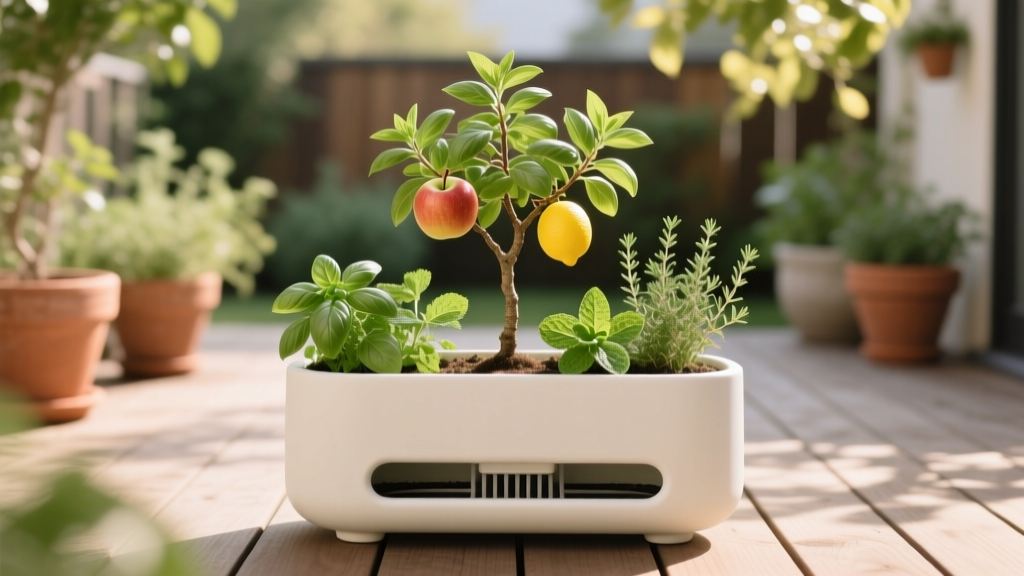
2026 Guide: Dwarf Trees & Herbs in Self-Watering Planters
Emily WatsonPublished
Merging Tree Planting Principles with Container Herb Gardens
As urban gardening continues to evolve in 2026, maximizing vertical space and root efficiency has become paramount for home growers. While most University of Maine Extension resources focus on annual vegetables when discussing self-watering containers, a growing trend among advanced horticulturists is anchoring these systems with dwarf fruit trees. By applying rigorous tree selection and planting guidelines to a container herb garden self-watering planter setup, gardeners can create a resilient, multi-tiered edible ecosystem on their patios and balconies.
Traditional tree planting guides emphasize the importance of the root flare, soil volume, and long-term drainage. When adapting these principles to a self-watering planter, the stakes are even higher. The capillary action that keeps herbs consistently moist can easily drown a poorly selected tree rootstock. This comprehensive 2026 guide will walk you through selecting the right dwarf tree, engineering the perfect soil matrix, and executing a flawless container herb garden self-watering planter setup that supports both deep-rooted perennials and shallow-rooted culinary herbs.
Tree Selection: Choosing Dwarf Rootstocks for Self-Watering Systems
The foundation of any successful tree planting guide is matching the rootstock to the environment. In a self-watering container, the soil remains consistently moist at the bottom third of the pot. Therefore, you must select tree varieties that tolerate higher soil moisture levels and thrive in restricted volumes. According to The Old Farmer's Almanac, dwarf citrus trees grafted onto 'Flying Dragon' (Poncirus trifoliata) rootstock are exceptionally well-suited for container life, as they naturally restrict their growth and adapt to confined root zones.
Top 2026 Dwarf Tree Picks for Herb Underplanting
- Dwarf Meyer Lemon (Citrus × meyeri): A classic choice that provides a light, dappled canopy, allowing enough sunlight to reach the herb layer below.
- Dwarf 'Little Miss Figgy' Fig: Highly tolerant of the consistent moisture provided by self-watering reservoirs, with a compact 3-to-4-foot mature height.
- Columnar Apple (Malus domestica 'Northpole'): Grows strictly upward, leaving the entire surface area of the planter open for a sprawling herb garden setup.
- Dwarf Pomegranate (Punica granatum 'Nana'): Drought-tolerant but adaptable, offering beautiful blooms and a shallow root system that won't compete aggressively with companion herbs.
Choosing the Right Self-Watering Planter Architecture
To successfully merge a tree with a container herb garden, the planter must meet specific dimensional requirements. Standard self-watering window boxes or small 5-gallon pots are insufficient for tree root development. For a 2026 setup, you need a planter with a minimum capacity of 20 to 30 gallons, featuring a robust water reservoir and a sturdy aeration screen.
The Royal Horticultural Society (RHS) notes that container weight and material are critical for perennial plantings. Opt for UV-stabilized polypropylene or fiberglass planters. These materials insulate the root zone against extreme summer heat and winter freezes, protecting the tree's vital cambium layer. Ensure the planter features an overflow drain hole positioned exactly at the top of the water reservoir line. This prevents the soil matrix from becoming waterlogged during heavy summer rains, a critical failsafe when applying tree planting drainage principles to a closed container system.
Engineering the Soil Matrix for Trees and Herbs
A common mistake in container herb garden self-watering planter setups is using standard potting soil or heavy garden loam. Tree roots require high oxygen levels, while the capillary wicking action of a self-watering planter demands a soil mix with precise porosity. If the soil is too dense, the tree will succumb to root rot; if it is too loose, the wicking system will fail, and your herbs will dry out.
The 2026 Ideal Container Soil Recipe
- 40% Premium Coco Coir: Provides excellent moisture retention and wicking capabilities without the environmental concerns of peat moss.
- 30% Coarse Pine Bark Fines: Creates essential air pockets for the tree's structural roots and prevents soil compaction over the years.
- 20% Coarse Perlite or Pumice: Ensures rapid drainage through the upper soil layers, protecting the tree's root flare.
- 10% Vermicompost (Worm Castings): Supplies a gentle, slow-release microbial inoculant and baseline nutrition for both the tree and the companion herbs.
Step-by-Step Planting: Applying Arboriculture Rules to Containers
When installing the tree, you must adhere to the golden rule of tree planting: never bury the root flare. The root flare is the area where the trunk expands at the base of the tree. Burying it in a self-watering planter guarantees stem girdling and rot.
- Prepare the Reservoir: Fill the bottom water chamber according to the manufacturer's instructions. Insert the wicking baskets or fill the aeration screen with your custom soil mix to establish the capillary bridge.
- Establish the Base Layer: Add 4 to 6 inches of your custom soil mix over the aeration screen. Tamp it down lightly to prevent the heavy tree root ball from sinking later.
- Position the Tree: Remove the tree from its nursery pot. Gently tease out any circling roots—a vital step in modern tree planting guides to prevent future girdling. Place the tree in the center of the planter.
- Check the Root Flare: Ensure the root flare sits 1 to 2 inches above the final soil line. Backfill with the soil mix, gently working it around the roots to eliminate large air pockets.
- Underplant the Herbs: Once the tree is secured, plant your shallow-rooted herbs around the perimeter. Keep herb root balls at least 4 inches away from the main tree trunk to prevent collar rot.
- Top-Dress and Water: Apply a 1-inch layer of organic mulch (like arborist wood chips) over the herb roots, keeping it away from the tree trunk. Finally, water heavily from the top to settle the soil, then fill the self-watering reservoir to the max line.
Companion Planting Chart: Trees and Herbs
Not all herbs thrive in the microclimate created by a dwarf tree canopy, nor do they all share the same moisture requirements facilitated by the self-watering reservoir. Use this 2026 companion pairing chart to ensure harmonious growth.
| Dwarf Tree Anchor | Ideal Herb Companions | Herbs to Avoid | Reservoir Management Strategy |
|---|---|---|---|
| Dwarf Meyer Lemon | Basil, Thyme, Oregano | Mint (too aggressive), Rosemary | Keep reservoir full; citrus and basil love consistent moisture. |
| Columnar Apple | Chives, Parsley, Cilantro | Lavender, Sage | Allow reservoir to drop to 25% between refills to encourage deep apple rooting. |
| Dwarf 'Little Miss Figgy' | Rosemary, Marjoram, Thyme | Cilantro (bolts in fig's heat trap) | Maintain moderate moisture; figs tolerate slight drying better than citrus. |
Maintenance and Fertilization for 2026
Self-watering planters continuously wick water upward, which means they also wick water-soluble nutrients out of the root zone or cause salt buildup over time. In 2026, the best practice for fertilizing a combined tree and herb container is using a coated, slow-release organic granular fertilizer applied to the soil surface in early spring and late summer.
Avoid liquid synthetic fertilizers in the water reservoir, as they can disrupt the capillary wicking action and promote algae growth in the water chamber. Furthermore, once a month during the peak summer growing season, flush the reservoir by filling it to the overflow line to wash out accumulated mineral salts. This is especially critical for citrus trees, which are highly sensitive to salt buildup and require a slightly acidic soil pH to absorb iron and magnesium.
Prune the dwarf tree's canopy in late winter to maintain an open, vase-like structure. This ensures adequate light penetration for the herb garden setup below, completing the perfect synergy between professional tree care and modern container convenience. By treating your container herb garden with the same respect and structural planning as a full-sized orchard planting, you will enjoy a thriving, low-maintenance harvest for years to come.
