Gardening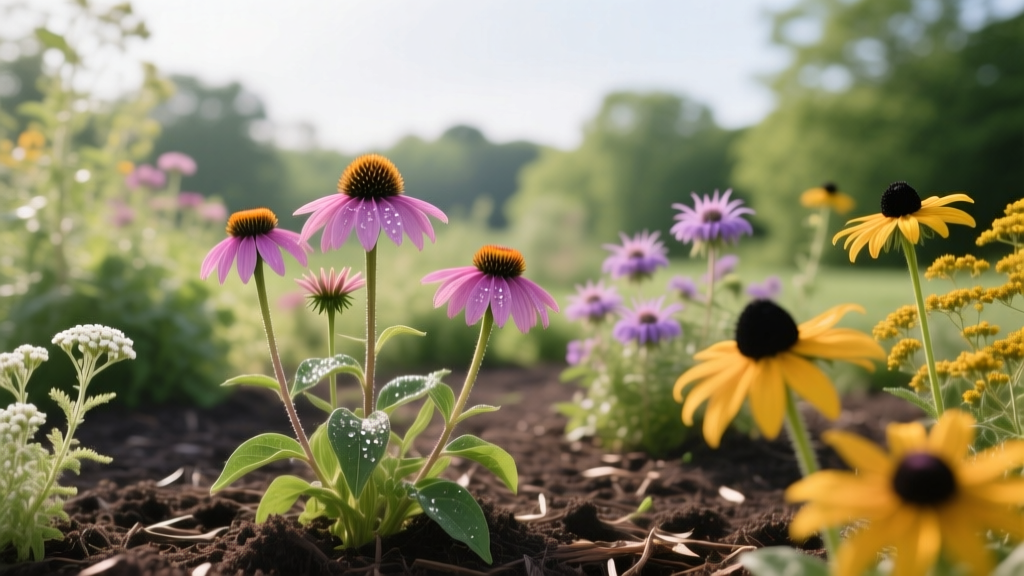
2026 Pollinator Garden Design: Coneflower & Black-Eyed Susan Guide
Anna KowalskiPublished
The Foundation of a 2026 Pollinator Garden
As we navigate the shifting climate patterns and ecological challenges of 2026, the importance of cultivating pollinator-friendly landscapes has never been more critical. Home gardeners are increasingly turning to native perennials to support declining bee, butterfly, and beneficial insect populations. Among the most reliable, visually striking, and ecologically valuable plants you can introduce to your landscape are coneflowers (Echinacea) and black-eyed Susans (Rudbeckia). These two perennial powerhouses form the backbone of countless successful pollinator gardens across North America, offering a long bloom time, exceptional drought tolerance, and a vital nectar and pollen source.
According to the Xerces Society for Invertebrate Conservation, planting native floral resources is one of the most effective ways to combat pollinator habitat loss. By focusing your 2026 garden design around Echinacea and Rudbeckia, you are not just creating a beautiful outdoor space; you are establishing a critical ecological corridor. This comprehensive guide will walk you through site selection, soil preparation, strategic layout, companion planting, and seasonal maintenance to ensure your coneflower and black-eyed Susan garden thrives this year and for years to come.
Why Echinacea and Rudbeckia?
Coneflowers and black-eyed Susans belong to the Asteraceae family, which is renowned for its composite flower heads. What appears to be a single flower is actually a dense cluster of hundreds of tiny florets, providing an abundant and easily accessible landing pad for a wide variety of pollinators. From native sweat bees and bumblebees to migrating monarch butterflies and painted ladies, these plants are buzzing with activity from mid-summer well into early autumn.
Furthermore, the National Wildlife Federation's Garden for Wildlife program emphasizes that native perennials support significantly more wildlife than non-native ornamentals. Echinacea purpurea (Purple Coneflower) and Rudbeckia fulgida (Orange Coneflower) or Rudbeckia hirta (Black-Eyed Susan) are deeply rooted in the North American prairie ecosystem. Their extensive root systems not only make them incredibly resilient to the intense summer heatwaves we have seen in recent years, but they also help improve soil structure and water infiltration in your garden beds.
Site Selection and Soil Preparation
Before purchasing your plants from the local nursery, it is essential to evaluate your garden site. Both coneflowers and black-eyed Susans are sun-worshippers. They require a minimum of six to eight hours of direct sunlight daily to produce robust stems and abundant blooms. If planted in too much shade, they will become leggy, produce fewer flowers, and become highly susceptible to fungal diseases like powdery mildew.
Soil preparation is the next crucial step. While these perennials are famously tolerant of poor soils, they perform best in well-draining loam. They despise 'wet feet,' meaning waterlogged soil will quickly lead to root rot, particularly for Echinacea during the winter months. If you have heavy clay soil, which is common in many regions, amend the top eight to twelve inches of your planting bed with high-quality organic compost. Avoid adding synthetic fertilizers or overly rich organic matter like fresh manure; too much nitrogen will result in lush, floppy foliage at the expense of flower production. Aim for a slightly acidic to neutral soil pH between 6.0 and 7.0. A basic soil test kit from your local cooperative extension can help you determine your baseline pH and nutrient levels before planting in the spring of 2026.
Garden Layout, Spacing, and Design
When designing a pollinator garden, visual impact and ecological efficiency go hand in hand. Pollinators are more easily attracted to large 'drifts' or clusters of a single plant species rather than isolated, scattered individuals. Plant your coneflowers and black-eyed Susans in sweeping curves or organic groupings of at least three to five plants per drift. This not only creates a stunning visual display but also makes foraging highly efficient for visiting bees and butterflies.
Proper spacing is vital for air circulation, which is your best organic defense against foliar diseases. Below is a comparison chart to help you plan your 2026 perennial layout:
| Feature | Echinacea purpurea (Purple Coneflower) | Rudbeckia fulgida (Black-Eyed Susan) |
|---|---|---|
| Mature Height | 24 to 36 inches | 18 to 24 inches |
| Mature Spread | 18 to 24 inches | 18 to 24 inches |
| Recommended Spacing | 18 to 24 inches apart | 18 inches apart |
| Bloom Time | June to September | July to October |
| Primary Pollinators | Long-tongued bees, butterflies | Sweat bees, hoverflies, butterflies |
| Top 2026 Cultivars | 'Magnus', 'PowWow Wild Berry' | 'Goldsturm', 'American Gold Rush' |
When arranging your garden beds, place the taller Echinacea toward the back or center of the bed, and use the slightly shorter Rudbeckia to fill the middle and foreground layers. This tiered approach ensures all plants receive adequate sunlight and creates a lush, full appearance.
Top Companion Plants for Maximum Pollinator Impact
To create a truly resilient and continuous-blooming pollinator habitat, you must incorporate companion plants that flower at slightly different times and offer varied floral structures. The Penn State Extension recommends diverse planting palettes to support the complete life cycles of native insects. Here are the best companions to interplant with your coneflowers and black-eyed Susans in 2026:
- Bee Balm (Monarda didyma): Blooming in early to mid-summer, its tubular red and pink flowers are irresistible to hummingbirds and long-tongued bumblebees, bridging the gap before coneflowers hit their peak.
- Butterfly Weed (Asclepias tuberosa): An essential host plant for monarch caterpillars, its bright orange, flat-topped flower clusters provide a striking color contrast to the purple hues of Echinacea.
- Yarrow (Achillea millefolium): The flat, fern-like foliage and broad umbels of yarrow offer excellent landing pads for smaller beneficial insects like hoverflies and parasitic wasps, which help control garden pests naturally.
- New England Aster (Symphyotrichum novae-angliae): As your black-eyed Susans begin to fade in late autumn, asters take over, providing a critical late-season nectar source for migrating monarchs and preparing bees for winter.
Watering Strategies and Drought Resilience
One of the primary reasons gardeners choose Echinacea and Rudbeckia is their exceptional drought tolerance once established. However, the establishment phase is critical. During the first growing season in 2026, water your newly planted perennials deeply once or twice a week, providing about one inch of water. Use a soaker hose or drip irrigation system to deliver water directly to the root zone, keeping the foliage dry to prevent fungal pathogens.
By the second year, their deep taproots and extensive fibrous root systems will allow them to thrive on natural rainfall alone, even during the prolonged dry spells that are becoming more frequent. Applying a two-inch layer of organic mulch, such as shredded hardwood bark or pine straw, around the base of the plants will help retain soil moisture, suppress weeds, and regulate soil temperature. Keep the mulch a few inches away from the plant crowns to prevent rot.
Pest Management and Disease Resistance
While generally low-maintenance, these perennials can occasionally face challenges. Aster Yellows is a phytoplasma disease spread by leafhoppers that can cause Echinacea flowers to become deformed, stunted, and green-tinted. There is no cure for Aster Yellows; if you spot infected plants, remove and destroy them immediately to prevent the spread to healthy specimens. Similarly, while Rudbeckia 'American Gold Rush' was specifically bred for high resistance to Septoria leaf spot and powdery mildew, older varieties may show some foliar damage in late summer. Maintain your spacing, avoid overhead watering, and allow nature to take its course as the plant prepares for dormancy.
As for insect pests, Japanese beetles may occasionally nibble on the foliage, but they rarely cause enough damage to harm the plant's overall vigor. Avoid broad-spectrum insecticides, which will decimate the very pollinator populations you are trying to attract. Instead, hand-pick pests or rely on the beneficial predatory insects that your diverse garden design will naturally attract.
Seasonal Maintenance and Overwintering
The approach to garden cleanup has evolved significantly, with a strong emphasis on leaving the garden standing through the winter. In the fall, resist the urge to deadhead all your spent flowers and cut back the foliage. The prominent, spiky seed heads of the coneflower and the tiny seeds of the black-eyed Susan are a vital winter food source for native birds, particularly goldfinches, chickadees, and juncos.
Furthermore, the hollow stems of many native perennials provide essential overwintering shelter for solitary bees and other beneficial insects. Wait until early spring, when daytime temperatures consistently reach the mid-50s Fahrenheit, before cutting back the dead stalks. When you do cut them back, leave about six to eight inches of stubble above the ground to continue providing nesting habitat, and chop the removed debris into small pieces to use as natural mulch on your garden paths. Every three to four years, you may need to divide your Echinacea and Rudbeckia clumps in the early spring or early fall to maintain their vigor and prevent the center of the clump from dying out.
Conclusion
Designing a pollinator garden with coneflowers and black-eyed Susans is a rewarding investment in your local ecosystem. By prioritizing native species, preparing your soil correctly, and embracing sustainable maintenance practices, your 2026 garden will become a vibrant, buzzing sanctuary. These resilient perennials will not only provide you with years of low-maintenance beauty but will also play a crucial role in supporting the biodiversity that our planet so desperately needs.
