Lawn Care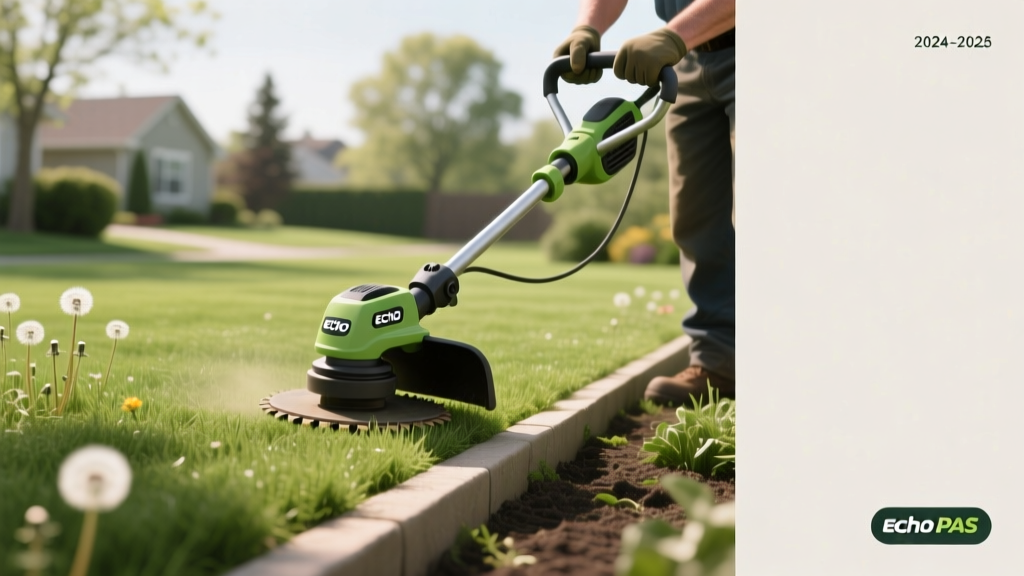
2026 Echo PAS Edger Guide for Aeration and Seeding
Lisa ThompsonPublished
The Intersection of Precision Edging and Lawn Renovation
When homeowners and landscaping professionals think about lawn aeration and overseeding, the focus usually lands squarely on soil health, seed varieties, and fertilizer schedules. However, one of the most critical yet overlooked steps in the 2026 lawn renovation playbook is perimeter preparation. Using the Echo PAS (Pro Attachment Series) edger attachment before and after core aeration not only protects your hardscapes but also creates a vital micro-environment for seed retention. In this comprehensive guide, we explore how to leverage the Echo PAS edger to maximize the results of your aeration and seeding efforts this season.
The Agronomic Case for Edging Before Aeration
Core aeration involves pulling plugs of soil from the ground to relieve compaction and allow oxygen, water, and nutrients to reach the root zone. According to Penn State Turfgrass Science, this process is essential for maintaining vigorous turf, especially in high-traffic areas. However, mechanical core aerators are heavy, aggressive machines. If you operate a stand-on or walk-behind aerator too close to a driveway, sidewalk, or landscape bed, the tines can tear up the turf edge, damage concrete curbing, or scatter heavy clay cores into your mulch.
By utilizing the Echo PAS edger attachment to cut a crisp, deep boundary line before the aerator arrives, you create a physical buffer zone. This allows the aeration machine to get within an inch or two of the hardscape without crossing over, ensuring the entire lawn receives the compaction-relief benefits without destroying the property's structural borders.
Why the Echo PAS System is Ideal for 2026 Lawn Prep
The Echo PAS system has long been a favorite among landscaping professionals for its modularity. In 2026, pairing the PAS-2620 or PAS-225 powerhead with the dedicated metal-blade edger attachment provides unmatched torque and precision. Unlike string trimmers, which merely chop grass and shallow weeds, the Echo PAS edger attachment features an 8-inch steel blade capable of cutting through compacted soil, thick rhizomes, and encroaching thatch.
Key Features for Aeration Prep:
- Adjustable Depth Control: The metal depth guard allows you to set the trench depth from 1 inch up to 3 inches. For aeration prep, a 2.5-inch depth is ideal to sever deep turf roots and create a definitive barrier.
- Debris Guard: The integrated shield directs soil and severed thatch away from the operator and back into the lawn area, keeping hardscapes clean for the upcoming seeding process.
- High-Torque Gear Case: When hitting compacted soil near driveways, the PAS gear case maintains blade momentum, preventing the stalling that plagues lesser edging attachments.
The 'Seed Dam' Concept: Maximizing Overseeding Results
Overseeding immediately after aeration is the gold standard for turf renovation. The University of Minnesota Extension emphasizes that seed-to-soil contact is the single most important factor for germination. When using a rotary spreader to apply Tall Fescue or Kentucky Bluegrass seed, it is nearly impossible to keep every single seed off adjacent sidewalks and driveways.
This is where the Echo PAS edger attachment transforms from a simple border tool into a vital agronomic asset. By cutting a 2-inch deep trench along the lawn's perimeter during your pre-aeration edging pass, you create what landscapers call a 'seed dam.' When stray seed bounces off the concrete, it falls into this trench rather than washing away into storm drains or germinating in the cracks of your driveway.
Furthermore, during the post-seeding cleanup phase, you can use a leaf blower to sweep any remaining seed off the hardscapes directly into the edger trench. The trench provides a protected, moist micro-climate that encourages rapid germination, effectively thickening the lawn right at the edge where foot traffic usually causes the most wear.
Step-by-Step: Pre-Aeration Edging Workflow
To properly prepare your lawn for the 2026 aeration and seeding season, follow this targeted workflow using your Echo PAS system:
- Mark Utilities and Irrigation: Before cutting, mark all shallow sprinkler lines, valve boxes, and hidden landscape lighting wires. The Echo PAS blade cuts deep and will sever unmarked irrigation lines.
- Set the Depth Guard: Adjust the Echo PAS depth plate to 2.5 inches. This is deep enough to cut through drought-hardened summer soil and thick thatch layers.
- Cut the Perimeter: Walk the boundary where turf meets concrete or mulch. Keep the guide wheel firmly against the hardscape. The resulting trench will be roughly 2 inches wide and 2.5 inches deep.
- Clear the Trench: Use the Echo PAS blower attachment to remove loose dirt and thatch from the trench, ensuring it is open and ready to act as a buffer for the aerator and a catch-basin for seed.
- Aerate and Seed: Run the core aerator up to the edge of the trench. Apply seed and compost. The trench will catch overflow materials, keeping the hardscape pristine.
Echo PAS vs. Alternatives: 2026 Equipment Comparison
When investing in a modular system for lawn renovation, it is important to understand how the Echo PAS stacks up against other popular 2026 edging solutions.
| Feature | Echo PAS Edger Attachment | Stihl KombiSystem Edger | Standalone Walk-Behind Edger |
|---|---|---|---|
| System Type | Modular Attachment | Modular Attachment | Dedicated Machine |
| Blade Size | 8-inch Steel | 8-inch Steel | 9 to 12-inch Steel |
| Depth Control | Up to 3 inches | Up to 2.5 inches | Up to 4 inches |
| Trenching Utility | Excellent for seed dams | Good for shallow borders | Overkill for seed dams |
| Storage Footprint | Minimal (swaps with PAS) | Minimal (swaps with Kombi) | Large (dedicated chassis) |
| 2026 Approx. Cost | $150 (Attachment Only) | $170 (Attachment Only) | $600 - $1,200 |
For the specific task of preparing a lawn for aeration and overseeding, the Echo PAS offers the perfect balance of depth, power, and cost-efficiency. Standalone edgers are excellent for commercial trenching but are cumbersome for residential lawn prep and lack the modularity to switch to a blower or power broom attachment for post-seeding cleanup.
Post-Seeding Trench Management and Maintenance
Once the seed is down and the lawn is watered, the edger trench will naturally begin to fill in as the soil settles and the new grass roots expand. To ensure the trench does not become a weed trap, lightly top-dress the trench with the same compost or peat moss mixture you used on the rest of the lawn. This levels the grade and provides the organic matter necessary for the edge seeds to thrive.
Regarding equipment maintenance, the heavy, compacted soil encountered during pre-aeration edging puts significant stress on the Echo PAS gear case. Echo USA recommends checking the gear case grease level every 25 hours of operation. For 2026 maintenance routines, use a high-quality lithium-based grease to ensure the bevel gears remain lubricated, especially after working in the damp, muddy conditions typical of fall aeration season.
Conclusion
Aeration and overseeding are transformative practices that breathe life back into tired, compacted lawns. However, the difference between a good renovation and a flawless one often lies in the details of the perimeter. By integrating the Echo PAS edger attachment into your 2026 lawn care routine, you protect your hardscapes from aggressive aerator tines, create strategic seed dams for optimal germination, and maintain the crisp, professional lines that elevate your landscape's overall aesthetic. Equip your PAS powerhead, set your depth guard, and edge your way to a thicker, healthier lawn this season.