Lawn Care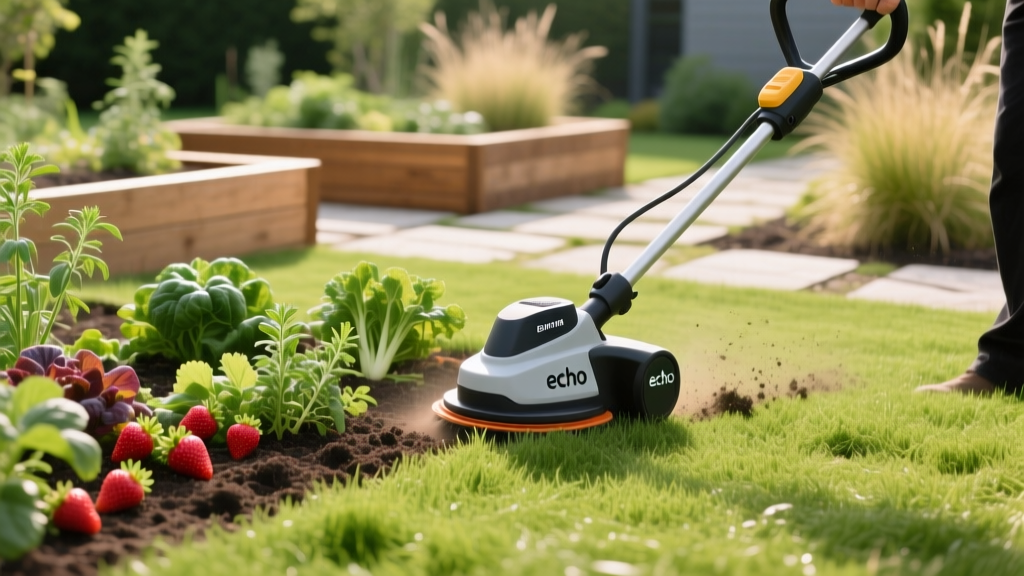
Echo PAS Edger Attachment For Edible Landscape Edging 2026
Sarah ChenPublished
The Rise of Foodscaping and the Turfgrass Boundary Challenge
Edible landscaping, commonly known as foodscaping, has completely transformed how homeowners approach their outdoor spaces in 2026. Rather than relegating vegetables and fruits to a hidden backyard patch, modern gardeners are integrating vibrant Swiss chard, sprawling blueberry bushes, and ornamental kale directly into their front yard designs. However, blending culinary crops with traditional turfgrass presents a unique horticultural challenge: boundary management.
The primary antagonist in any edible landscape is aggressive turfgrass. Rhizomatous grasses like Bermuda, Zoysia, and Kentucky Bluegrass are constantly seeking the nutrient-dense, compost-amended soil of your foodscaping beds. Without a crisp, deeply defined edge, these grasses will quickly invade your vegetable plots, competing for water and nutrients while harboring pests. To maintain a pristine and productive edible landscape, mechanical edging is non-negotiable, and the Echo PAS edger attachment has emerged as a premier tool for the job.
Why the Echo PAS Edger Attachment is Ideal for Edible Landscapes
The Echo Pro Attachment Series (PAS) is a modular power system that allows users to swap various attachments onto a single powerhead. For foodscaping, the dedicated Echo Edger Attachment (model 99944200475) is the star of the lineup. It features an 8-inch steel blade, a heavy-duty gearbox, and an adjustable depth guide wheel that allows for precise trenching.
In 2026, the most significant advantage of using the Echo PAS system in an edible landscape is the availability of the eFORCE 56V battery platform. When working around food crops, minimizing chemical exposure and exhaust emissions is a top priority. Gas-powered trimmers and edgers emit unburned hydrocarbons and carbon monoxide directly at ground level, which can settle on low-growing leafy greens and herbs. By pairing the PAS edger attachment with a 2026 eFORCE 56V battery powerhead, foodscapers achieve zero-emission, ultra-quiet edging, ensuring that your organic vegetables remain completely untainted by small-engine exhaust.
Step-by-Step: Edging Your Foodscaping Beds with the Echo PAS
Creating a clean boundary between your lawn and your edible beds requires technique and patience. Follow these steps to achieve professional-grade edges that protect your food crops.
Step 1: Mark the Edible Boundary
Before firing up your Echo PAS, lay out a garden hose to define the edge of your foodscaping bed. In edible landscaping, gentle curves often look more natural and integrate better with the surrounding yard than harsh, rigid lines. Ensure the boundary is at least 12 to 18 inches away from the base of any fruit trees or tall shrubs to prevent the edger blade from damaging surface roots or the trunk bark.
Step 2: Configure the PAS Edger Attachment
Attach the edger to your PAS powerhead. Adjust the depth guide wheel. For the initial cut through thick turf, set the blade depth to about 2.5 to 3 inches. This depth is sufficient to sever the rhizomes and stolons of most aggressive grasses without creating an unmanageable trench that could cause drainage issues near your vegetable roots.
Step 3: The Cutting Technique
Position the guide wheel directly on the grass side of your marked line. Engage the throttle and let the 8-inch blade reach full speed before making contact with the soil. Walk at a steady, deliberate pace. Let the weight of the Echo PAS gearbox do the work; pushing too hard can stall the motor (especially on battery models) and result in a jagged, uneven edge. The blade will throw soil and turf clods to the left, which should be directed toward the lawn side for easy cleanup, keeping your edible bed pristine.
Step 4: Trenching and Soil Removal
After making your initial pass, use a flat spade or a trenching shovel to remove the severed strip of turf. Do not simply till this grass into your foodscaping bed, as it will quickly regrow and become a nightmare weed in your vegetable plot.
2026 Echo PAS Powerhead Comparison for Foodscaping
Choosing the right powerhead for your Echo PAS edger attachment depends on the size of your edible landscape and your sensitivity to noise and emissions. Below is a comparison of the top 2026 PAS powerheads suited for residential foodscaping.
| Powerhead Model | Power Source | Weight (with Edger) | Noise Level | Best For |
|---|---|---|---|---|
| PAS-225 | 21.2cc Gas | 11.5 lbs | High | Large properties, remote beds without battery charging access |
| PAS-2620 | 25.4cc Gas | 13.2 lbs | High | Heavy-duty commercial foodscaping, thick overgrown borders |
| eFORCE PAS-56V | 56V Lithium-Ion | 12.8 lbs | Low | Residential edible landscapes, organic gardens, noise-restricted zones |
Maintaining Edible Edges Without Chemical Herbicides
In traditional lawn care, landscapers often apply chemical herbicides like glyphosate or imazapyr along bed edges to keep grass at bay. In an edible landscape, this practice is strictly forbidden. Chemical runoff and drift can easily contaminate your soil and be absorbed by the root systems of your tomatoes, peppers, and root vegetables. According to the EPA's guidelines on Integrated Pest Management, mechanical and cultural controls should always be the first line of defense, especially in areas where food is grown.
To maintain your edges organically in 2026, rely on the Echo PAS edger for routine mechanical maintenance. Plan to run the edger along your foodscaping borders every three to four weeks during the peak spring and summer growing seasons. This regular severing of grass rhizomes exhausts the turf's energy reserves and prevents it from crossing the boundary.
Additionally, consider installing a physical barrier after your initial trenching. A 6-inch deep galvanized steel or heavy-duty recycled plastic edging strip, installed flush with the soil surface, creates an impenetrable wall against underground grass runners. The Echo PAS edger is perfect for cutting the initial trench to seat this physical barrier.
Seasonal Edging Schedule for Foodscaping
Maintaining the boundary between your lawn and edible beds is not a one-time task; it requires a seasonal approach tailored to the growth cycles of both your turf and your crops.
- Early Spring (March - April): Perform a deep edge (3 inches) as soil temperatures rise and cool-season grasses like Fescue and Kentucky Bluegrass break dormancy. This is the best time to install physical metal barriers before planting your spring greens.
- Peak Summer (June - August): Warm-season grasses (Bermuda, Zoysia) are at their most aggressive. Edge every 2 to 3 weeks using a shallow setting (1.5 to 2 inches) to sever surface stolons without damaging the shallow roots of nearby heat-loving crops like tomatoes and peppers.
- Autumn (September - October): As you transition to fall crops like garlic and brassicas, perform a final deep edge. Clean out the trench thoroughly and apply a fresh layer of straw mulch to insulate the bed edges for winter.
- Winter (November - February): Store your Echo PAS battery powerhead in a climate-controlled garage to preserve the lithium-ion cells. Use this time to inspect the edger attachment blade for dullness and sharpen it with a metal file before the next spring rush.
Soil Health, Mulching, and Edging Debris
Foodscaping relies heavily on soil biology. The microbial life in your edible beds is essential for breaking down organic matter and making nutrients available to your crops. When edging, be careful not to aggressively scalp the soil near the bed, which can disrupt the delicate mycorrhizal fungal networks that support plant health.
Once the edge is cut and the turf strip is removed, backfill the trench slightly with native soil and apply a thick layer of mulch to the bed side of the edge. For fruit trees and perennial berry bushes, arborist wood chips are ideal. For annual vegetable beds, straw or shredded leaf mulch works best. The mulch should stop just short of the newly cut edge to maintain the visual crispness of the boundary.
What should you do with the removed turf debris? Since you are avoiding chemicals, this turf is safe to compost. However, do not add it directly to your active vegetable beds. Instead, place it in a dedicated hot compost bin where temperatures will reach at least 140°F, effectively killing the grass roots and weed seeds before the compost is returned to your foodscaping beds the following season.
Conclusion
Integrating edibles into your ornamental landscape is one of the most rewarding trends in modern horticulture. However, the success of your foodscaping design hinges on the crisp, clean boundaries that separate your culinary crops from aggressive turfgrasses. By utilizing the Echo PAS edger attachment—particularly when paired with a zero-emission 2026 battery powerhead—you can maintain beautiful, productive, and safe edible landscapes all year long. For more inspiration on blending aesthetics with agriculture, explore resources from the National Gardening Association to elevate your outdoor living space.