Lawn Care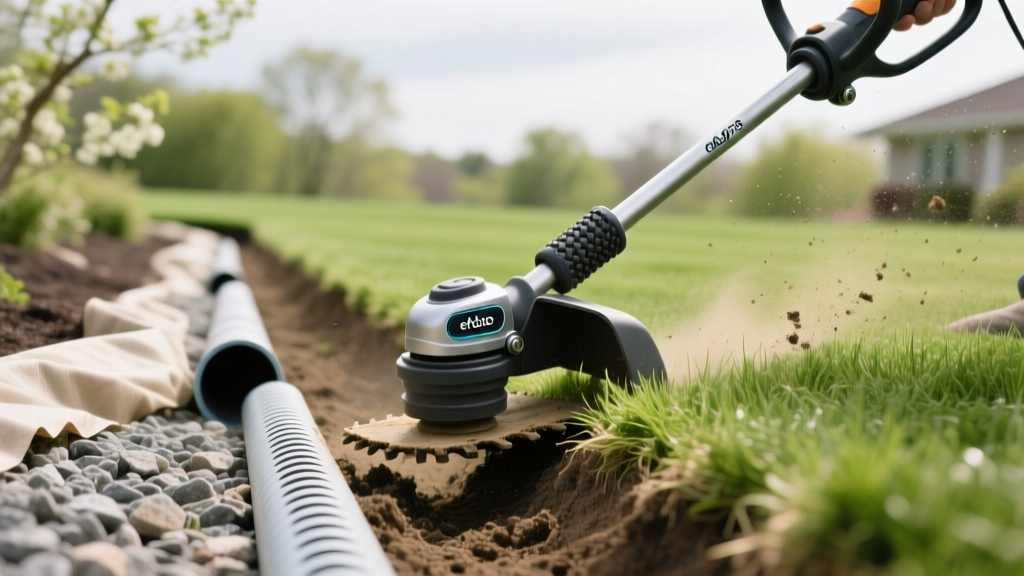
Using the Echo PAS Edger for French Drains in 2026
James MillerPublished
Introduction: The Intersection of Drainage and Lawn Care
Yard drainage remains a top priority for homeowners in 2026, especially as extreme weather patterns lead to heavier seasonal downpours. When standing water threatens your foundation or drowns your turf, a French drain is the gold standard for subsurface water management. However, the most daunting aspect of installing a French drain isn't the plumbing—it is the destruction of your carefully manicured lawn. Trenching through established turf with a standard shovel leaves jagged, uneven edges that make post-installation sod restoration a nightmare. This is where the Echo PAS edger attachment transforms from a simple lawn care tool into an essential drainage installation instrument.
By utilizing the Echo Power Source (PAS) system with its dedicated metal-blade edger attachment, DIY landscapers and professionals alike can slice perfectly straight, clean lines through sod and root systems before the trenching begins. This guide explores how to leverage the 2026 Echo PAS lineup to execute flawless French drain installations while preserving the aesthetic integrity of your lawn.
Why Precision Edging Matters for French Drains
A French drain requires a trench typically ranging from 12 to 24 inches deep, sloped at a minimum 1% grade to carry water away from problem areas. If you attempt to dig this trench without first severing the lawn's root matrix, the shovel will tear the grass in unpredictable, jagged chunks. This results in excessive sod waste and wide, unsightly seams that are difficult to hide once the drain is backfilled.
Using a high-torque edger to pre-cut the trench boundaries offers three major advantages:
- Minimal Turf Damage: The 8-inch metal blade slices cleanly through rhizomes and stolons, allowing you to roll back the sod in neat, reusable strips.
- Straight Gravel Borders: A clean edge ensures that the washed gravel and landscape fabric sit flush against the soil wall, preventing dirt intrusion and maintaining a sharp visual line.
- Easier Restoration: When it is time to lay new sod or seed the trench line post-installation, a straight, machine-cut edge provides a perfect seam for the new grass to knit into the existing lawn.
The 2026 Echo PAS Power Source and Edger Attachment
For 2026 drainage projects, the Echo PAS-2620 power source paired with the Echo PAS Edger Attachment (Model 99944200475) is the premier combination. The PAS-2620 features a 25.4cc professional-grade, 2-stroke engine that delivers the low-end torque necessary to push a metal blade through dense, compacted soil and thick clay without bogging down.
The edger attachment itself features a heavy-duty steel blade and an adjustable depth wheel. For French drain preparation, the depth wheel is crucial. By setting the wheel to its maximum depth, you can cut a clean 4-to-5-inch vertical slit through the topsoil and root zone, which acts as your primary guide line for the trenching spade.
Step-by-Step: Cutting the Trench Line
Before making a single cut, safety and planning are paramount. Always contact your local utility locating service by visiting Call 811 at least a few days before you plan to dig. This free service ensures you won't strike underground gas, water, or fiber-optic lines during your drainage project.
Step 1: Marking the Drainage Path
Use landscaping spray paint to mark the exact center line of your French drain. According to drainage best practices outlined by the University of Minnesota Extension, your trench should follow a continuous downward slope of at least 1 inch for every 8 feet of run to ensure proper gravity-fed water flow.
Step 2: Adjusting the Echo PAS Edger
Attach the edger to the PAS-2620 power source. Loosen the tension knob on the edger's depth wheel and lower it to expose the maximum amount of the blade. Tilt the edger slightly so the blade aligns perfectly with the outer edge of your spray-painted line.
Step 3: Slicing the Sod
Start the Echo PAS and walk at a steady, moderate pace along your marked line. Let the weight of the machine and the torque of the 25.4cc engine do the work; do not force the blade. You will need to make two parallel passes to define the width of your trench (usually 12 to 18 inches wide for standard residential French drains). Repeat the process on the opposite side of your painted center line.
Step 4: Removing the Sod Strips
Once both edges are cleanly sliced, use a flat trenching shovel or a manual sod cutter to undercut the grass between the two lines. Roll the sod up like a carpet. If you plan to reuse this sod to patch other areas of the yard, keep the rolls moist on a tarp in the shade.
Trenching, Pipe Laying, and Backfilling
With the sod removed and the edges cleanly defined by the Echo PAS, you can now excavate the trench to your required depth (typically 18 inches). Line the trench with non-woven geotextile landscape fabric, add a 2-inch base of washed #57 gravel, and lay your perforated PVC or corrugated NDS pipe with the holes facing downward. Cover the pipe with more gravel, fold the fabric over the top to create a "gravel burrito," and backfill the remaining few inches with topsoil. The straight walls created by your initial edging pass will make folding the fabric and tamping the soil significantly easier.
Restoring the Lawn Edge Post-Installation
Once the French drain is backfilled and the topsoil is tamped down to grade, you will likely need to lay new strips of sod over the trench line. This is where the Echo PAS edger attachment proves its worth a second time.
New sod rarely matches the exact width of your backfilled trench. To ensure a seamless look, use the Echo PAS edger to trim the new sod strips so they fit perfectly between your original, machine-cut lawn boundaries. Run the edger along the seam where the new sod meets the old lawn. This cuts away any overlapping grass and opens a tiny, clean V-groove at the seam. Fill this microscopic groove with fine topsoil and water heavily. Within three weeks, the roots will bridge the gap, and the trench line will become virtually invisible.
Comparison: Echo PAS vs. Alternative Trenching Methods
How does the Echo PAS edger attachment compare to other methods for defining French drain lines in 2026? Below is a structured comparison to help you choose the right approach for your landscape.
| Method | Edge Precision | Labor Intensity | Best Use Case |
|---|---|---|---|
| Echo PAS Edger Attachment | Excellent (Laser-straight) | Low (Motorized) | Long runs across established lawns; precision sod removal. |
| Manual Half-Moon Edger | Good (Depends on user skill) | Very High (Manual chopping) | Short, curved drainage swales or small garden beds. |
| Walk-Behind Trencher | Poor (Destroys wide sod swath) | Low (Motorized) | Deep utility lines where sod preservation is not a priority. |
| Standard Shovel | Poor (Jagged, torn roots) | High (Manual digging) | Emergency, short-term water diversion in non-turf areas. |
Expert Tips for 2026 Drainage Projects
To ensure your French drain installation is safe, effective, and leaves your lawn looking pristine, keep these expert tips in mind:
Pro-Tip: Never edge or trench when the soil is saturated. Wait 48 hours after a heavy rain. Wet soil will clog the Echo PAS edger blade, cause the sod to tear rather than slice, and lead to trench wall collapse.
Adhering to Trenching Safety Standards
While residential French drains rarely exceed 24 inches in depth, trenching safety should never be ignored. The Occupational Safety and Health Administration (OSHA) provides strict guidelines on trenching and excavation. Even in shallow yard trenches, avoid piling the excavated heavy clay and gravel closer than 2 feet from the trench edge to prevent the walls from caving in under the weight of the spoil pile.
Maintaining Your Echo PAS Equipment
Cutting through soil and roots is abrasive. After using your Echo PAS edger attachment for drainage prep, thoroughly clean the blade and the attachment gearbox. Check the gear case for proper grease levels, and ensure the 2-stroke engine's air filter is free of the fine dust generated by dry summer soil. Proper maintenance ensures your PAS system will be ready for both heavy drainage projects and routine weekly lawn edging throughout the 2026 growing season.
Conclusion
Installing a French drain is a highly effective way to protect your property from water damage, but it doesn't have to mean sacrificing the beauty of your lawn. By integrating the Echo PAS edger attachment into your drainage workflow, you gain surgical precision over your turf. From the initial sod-cutting phase to the final seam restoration, the power and versatility of the 2026 Echo PAS system bridge the gap between heavy-duty landscaping and meticulous lawn care, ensuring your yard drains perfectly and looks immaculate.