Pest Control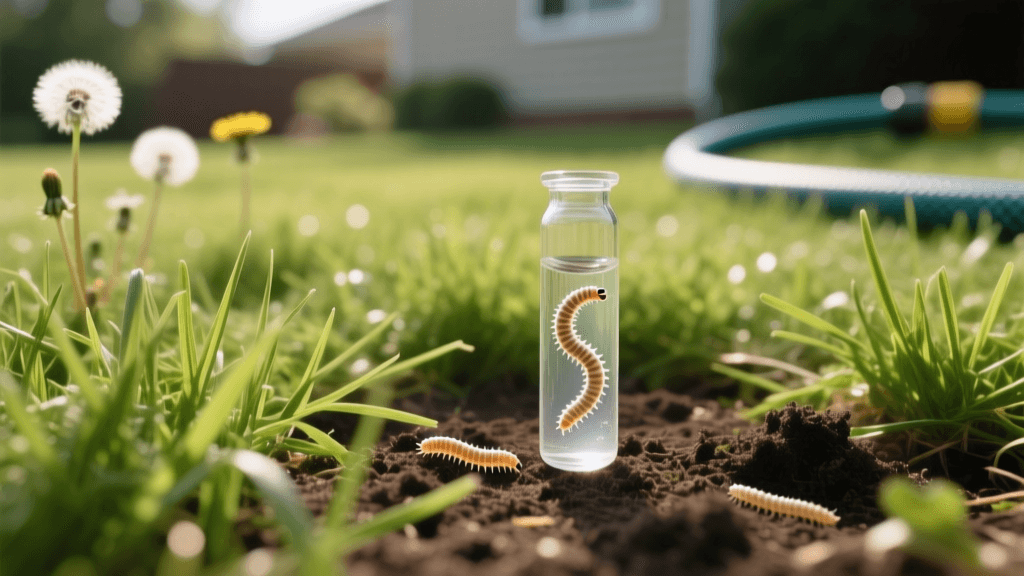
Eco-Friendly Grub Control: Using Beneficial Nematodes
The Hidden Threat of White Grubs in Sustainable Lawns
White grubs are the larval stage of various scarab beetles, including Japanese beetles, June bugs, and European chafers. These C-shaped, creamy-white pests feed aggressively on grassroots, causing severe brown patches, turf detachment, and increased vulnerability to drought and secondary pests like skunks and crows. For decades, the standard response to a grub infestation was the heavy application of synthetic pesticides, particularly neonicotinoids like imidacloprid and organophosphates like trichlorfon. While effective, these chemicals pose significant ecological risks, including toxicity to essential pollinators, aquatic life, and beneficial soil microorganisms.
As homeowners and landscaping professionals shift toward Integrated Pest Management (IPM) and sustainable lawn care, eco-friendly alternatives are taking center stage. Among the most powerful and scientifically backed biological control agents are beneficial nematodes. These microscopic roundworms offer a highly targeted, non-toxic, and environmentally sustainable solution to grub control without compromising the health of your soil or local ecosystem.
What Are Beneficial Nematodes?
Beneficial nematodes are microscopic, unsegmented roundworms that occur naturally in soils worldwide. While some nematode species are plant parasites, the strains used for pest control are entomopathogenic, meaning they specifically target and kill insects. The two most common genera used for grub control are Heterorhabditis bacteriophora (Hb) and Steinernema carpocapsae (Sc).
The mechanism of action is fascinating and highly lethal to grubs. According to research published by Penn State Extension, the infective juvenile stage of the nematode actively seeks out a grub host in the soil profile. Once located, the nematode enters the grub through natural openings such as the mouth, anus, or spiracles. Inside the host, the nematode releases symbiotic bacteria (Photorhabdus or Xenorhabdus species). These bacteria multiply rapidly, causing septicemia that kills the grub within 24 to 48 hours. The nematodes then feed on the multiplying bacteria and the decomposing host tissue, reproducing inside the carcass. Within a week or two, thousands of new infective juveniles emerge to seek out the next grub, creating a self-sustaining cycle of pest control.
Nematodes vs. Chemical Grub Control
Understanding the difference between biological and synthetic controls is crucial for eco-conscious lawn care. The following table compares beneficial nematodes against traditional synthetic grub killers.
| Feature | Beneficial Nematodes (Hb / Sc) | Synthetic Chemicals (e.g., Imidacloprid) |
|---|---|---|
| Target Specificity | Highly specific to soil-dwelling insect larvae | Broad-spectrum; affects many non-target insects |
| Impact on Pollinators | Zero impact; remain in the soil profile | High risk; systemic absorption can reach pollen/nectar |
| Soil Microbiome Health | Promotes biological activity and nutrient cycling | Can disrupt beneficial fungi and bacteria |
| Application Window | Curative; effective when grubs are actively feeding | Preventative; must be applied months before hatching |
| Residual Toxicity | None; naturally degrade when hosts are depleted | Persists in soil and can leach into waterways |
The Environmental Protection Agency (EPA) classifies beneficial nematodes as biological pesticides, noting their exceptional safety profile for humans, pets, and the environment. Unlike synthetics, which require strict adherence to re-entry intervals and runoff warnings, nematodes allow immediate use of the lawn post-application.
Selecting the Right Strain for Your Lawn
Not all nematodes are created equal. Choosing the correct strain depends on the specific grub species and your local climate.
- Heterorhabditis bacteriophora (Hb): This is the gold standard for deep-dwelling grubs, such as Japanese beetle and European chafer larvae. Hb nematodes are 'cruisers' that actively migrate through the soil profile to find hosts, making them ideal for targeting grubs feeding deeper in the root zone.
- Steinernema carpocapsae (Sc): These are 'ambush' nematodes that wait near the soil surface for a host to pass by. While excellent for surface-dwelling pests like armyworms and cutworms, they are generally less effective against deep-feeding white grubs compared to Hb strains.
For comprehensive white grub control, purchasing a product dominated by the Hb strain is highly recommended. Always buy from reputable suppliers who guarantee live counts and ship with cold packs, as nematodes are living organisms sensitive to extreme heat.
Step-by-Step Application Guide
Because nematodes are living creatures, their success depends entirely on proper handling and environmental conditions. Follow this actionable guide to ensure maximum efficacy.
1. Timing and Temperature
Timing is everything. The optimal window for curative grub control is late summer to early fall (August through October), when grubs are young, small, and feeding near the surface. Soil temperatures must be between 60°F and 90°F. If the soil is too cold, the nematodes become dormant; if too hot, they will die rapidly.
2. Lawn Preparation
Nematodes cannot penetrate thick thatch layers or dry, compacted soil. Before application, dethatch your lawn if the thatch layer exceeds half an inch. Core aeration is also highly recommended to relieve compaction and provide pathways for the nematodes to move through the soil. Water the lawn deeply 24 hours before application to ensure the soil is moist but not waterlogged.
3. Mixing the Solution
UV light and chlorine are lethal to nematodes. Always mix your nematode concentrate in the early morning, late evening, or on an overcast day. Use non-chlorinated water, such as distilled water, rainwater, or tap water that has been left out in an open container for 24 hours to allow chlorine to off-gas. Stir the mixture gently; avoid using mechanical pumps that generate high shear forces, which can physically damage the microscopic worms.
4. Application Technique
Apply the solution using a watering can for small areas or a hose-end sprayer for larger lawns. If using a sprayer, remove any internal screens or filters that could trap the nematodes. Shake the sprayer tank frequently to prevent the nematodes from settling at the bottom. Apply at a rate of approximately 1 billion nematodes per 2,000 to 3,000 square feet, depending on the severity of the infestation.
5. Post-Application Care
The most critical factor for nematode survival is soil moisture. According to the University of Minnesota Extension, nematodes require a film of water to move through the soil pores and locate their hosts. You must keep the top two inches of soil consistently moist for 10 to 14 days following application. This usually requires light, daily irrigation for 15 to 20 minutes. Avoid overwatering, which can drown the nematodes or push them too deep into the water table.
Cost Analysis and Return on Investment
Transitioning to eco-friendly pest control often raises questions about cost. A standard package containing 10 million beneficial nematodes typically costs between $30 and $45 and treats roughly 2,000 to 3,000 square feet. This translates to approximately $10 to $22 per 1,000 square feet.
In comparison, a bag of synthetic granular grub killer covering 5,000 square feet might cost around $25 to $35, or $5 to $7 per 1,000 square feet. While the upfront cost of nematodes is higher, the return on investment must be evaluated through a holistic lens. Synthetic chemicals carry hidden environmental costs, including soil degradation, water contamination, and the decimation of beneficial insect populations that naturally keep other pests in check. Furthermore, nematodes reproduce and provide secondary cycles of control, potentially reducing the need for reapplication in subsequent seasons if the local grub population is successfully crashed.
Integrating Nematodes into a Long-Term IPM Strategy
Beneficial nematodes are a powerful tool, but they are most effective when integrated into a broader, sustainable lawn care regimen. To minimize future grub outbreaks, focus on building a resilient lawn that can tolerate minor root feeding without showing visible damage.
'A healthy, deeply rooted lawn can often sustain a grub population of up to five to seven grubs per square foot without requiring any intervention. Cultural practices that promote deep root growth are your first line of defense.' - Integrated Pest Management Guidelines
Mow your grass at a height of 3 to 4 inches to encourage deep rooting and shade the soil, which dries out the surface and makes it less hospitable to egg-laying adult beetles. Water deeply and infrequently to train roots to grow downward. Additionally, consider applying Milky Spore disease (Paenibacillus popilliae), a naturally occurring bacterium that specifically targets Japanese beetle grubs. While Milky Spore takes one to three years to establish in the soil, it provides long-term, multi-year suppression once active.
By combining the immediate, curative power of beneficial nematodes with long-term cultural practices and biological agents like Milky Spore, you can achieve a lush, vibrant lawn that works in harmony with nature rather than against it. Eco-friendly grub control is not just about eliminating a pest; it is about cultivating a thriving, living soil ecosystem that sustains your landscape for years to come.