Pest Control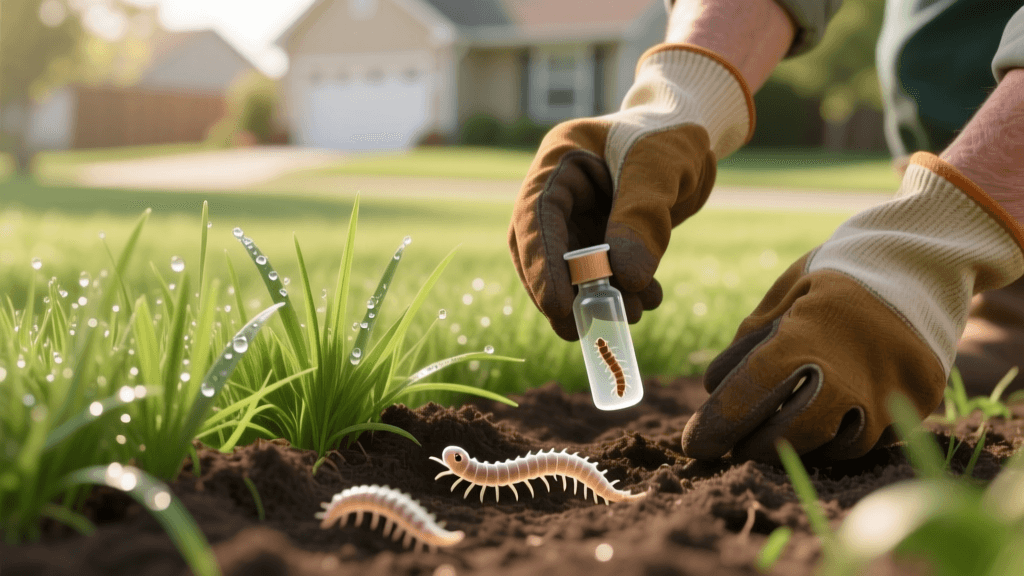
Eco-Friendly Lawn Grub Control Using Beneficial Nematodes
The Hidden Threat Beneath Your Lawn
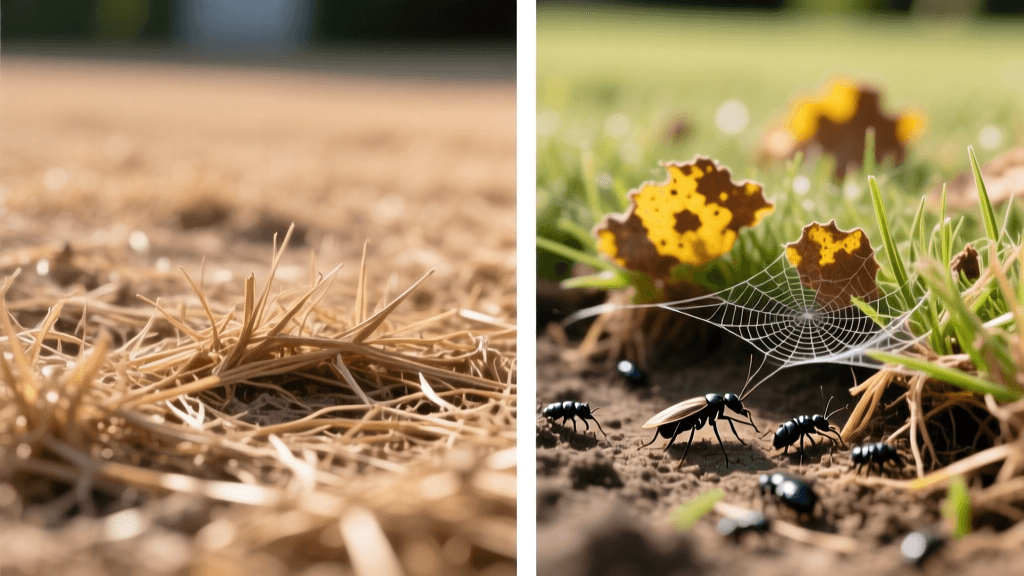
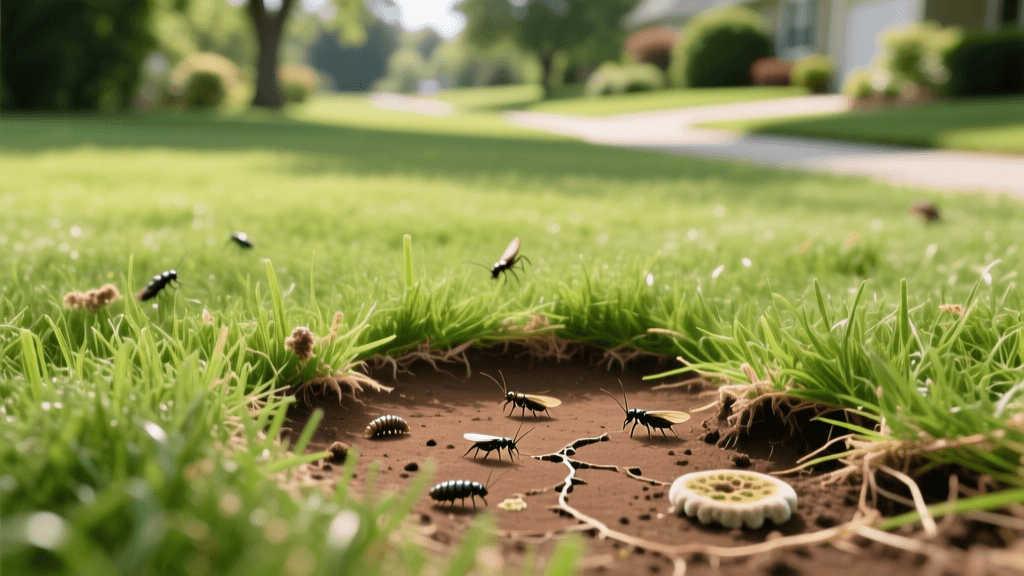
White grubs, the larval stage of Japanese beetles, June bugs, and European chafers, are the silent destroyers of pristine lawns. They feast on grassroots, leaving behind spongy, brown, dead patches that roll back like loose carpet. For decades, homeowners have relied on synthetic chemical pesticides like imidacloprid and trichlorfon to eradicate these subterranean pests. However, the environmental cost of these chemicals—including runoff into local waterways and toxicity to non-target pollinators and earthworms—has prompted a massive shift toward sustainable landscaping. Enter beneficial nematodes: a highly effective, 100% organic, and eco-friendly biological control method that aligns perfectly with Integrated Pest Management (IPM) principles.
What Are Beneficial Nematodes?
Beneficial nematodes are microscopic, unsegmented roundworms that naturally occur in soils worldwide. While some nematode species are plant parasites, the strains used for pest control are entomopathogenic, meaning they specifically target and kill insects without harming plants, pets, or humans. According to the Environmental Protection Agency (EPA), biopesticides like nematodes are inherently less toxic than conventional pesticides, as they are non-toxic to wildlife, target specific pests, and break down rapidly in the environment.
The biological mechanism is fascinating and brutal for the grub. When applied to your lawn, the infective juvenile nematodes actively seek out grub larvae in the soil. Once they locate a host, they enter through natural openings (mouth, anus, or spiracles). Inside the grub, the nematodes release a symbiotic, insect-killing bacteria (Xenorhabdus or Photorhabdus). This bacteria rapidly multiplies, causing septicemia and killing the grub within 24 to 48 hours. The nematodes then feed on the developing bacteria and host tissue, reproduce, and release a new generation of juveniles into the soil to hunt for the next victim.
Choosing the Right Nematode Strain
Not all nematodes are created equal. Different strains have unique host preferences, temperature tolerances, and hunting behaviors. For white grub control, selecting the correct species is paramount to your success. Below is a comparison of the most common strains used in turfgrass management:
| Nematode Strain | Scientific Name | Target Pests | Soil Temp Range | Hunting Style |
|---|---|---|---|---|
| Hb | Heterorhabditis bacteriophora | Japanese beetle grubs, European chafers, June bugs | 55°F - 85°F | Deep cruiser |
| Sc | Steinernema carpocapsae | Surface caterpillars, flea larvae, some cutworms | 55°F - 80°F | Ambusher (surface) |
| Sg | Steinernema glaseri | Large white grubs, billbugs | 60°F - 85°F | Deep cruiser |
For general lawn grub control, Heterorhabditis bacteriophora (Hb) is widely considered the gold standard. Unlike some nematodes that wait for prey to pass by, Hb is an active "cruiser" that moves deeply through the soil profile to hunt grubs. As noted by Penn State Extension, Hb is particularly effective against larger, deeper-dwelling grubs like those of the Japanese beetle and European chafer.
Optimal Soil Conditions and Timing
Because nematodes are living organisms, their survival depends entirely on how you handle them before and during application. Ignoring environmental conditions is the number one reason DIY nematode applications fail.
- Soil Temperature: Nematodes require soil temperatures between 55°F and 85°F (12°C - 29°C) to be active. Applying them to freezing or scorching soil will result in immediate mortality. Use a soil thermometer to check the temperature at a depth of 2 inches.
- Moisture: Nematodes swim through water films in the soil. The ground must be moist before application and kept consistently moist for 10 to 14 days afterward to allow them to move and locate hosts.
- UV Protection: Ultraviolet light from the sun is lethal to nematodes. Never apply them on a bright, sunny afternoon. Always apply in the early evening, at dusk, or on heavily overcast days.
- Timing: The best time to apply is late summer to early fall (August through September) when grubs are young, small, and feeding near the soil surface. A secondary application can be made in mid-spring to catch overwintered grubs before they pupate.
Step-by-Step Application Guide
Applying nematodes is straightforward if you follow these precise steps. Expect to spend approximately $35 to $50 for a commercial sponge or powder containing 10 million Hb nematodes, which is enough to treat roughly 3,000 square feet of lawn.
Step 1: Hydrate the Lawn
Water your lawn deeply the day before application. The soil should be damp but not waterlogged. This prepares the soil environment and draws grubs closer to the surface.
Step 2: Purchase and Store Fresh Stock
Buy from reputable suppliers who ship with cold packs. Upon arrival, store the nematodes in the refrigerator immediately. Do not freeze them, and never leave them in a hot mailbox or car.
Step 3: Mix the Solution
If using a sponge formulation, rinse the sponge thoroughly in a bucket of cool, distilled or rainwater. Chlorine and heavy metals in standard tap water can harm nematode viability. If using a powder, stir it gently into the water and let it sit for 5 minutes to rehydrate.
Step 4: Apply to the Lawn
Use a hose-end sprayer specifically designed for nematodes, a backpack sprayer, or a simple watering can. Crucial: Remove any filters, screens, or anti-siphon valves from your sprayer, as they will trap and clog the microscopic worms. Agitate the tank frequently to keep the nematodes suspended in the water.
Step 5: Water In Immediately
Once applied, immediately water the lawn with an additional quarter-inch of water. This washes the nematodes off the grass blades and pushes them down into the thatch and soil layer where they belong.
Step 6: Maintain Moisture
Water the treated area lightly every morning for the next 10 to 14 days. The soil must remain moist to allow the nematodes to swim and hunt. If the soil dries out, the nematodes will die.
Nematodes vs. Chemical Grub Killers
When building a sustainable lawn care program, understanding the trade-offs between biological and chemical controls is essential. Here is how beneficial nematodes stack up against traditional synthetic grub killers:
| Feature | Chemical Grub Control (e.g., Imidacloprid) | Beneficial Nematodes (Hb Strain) |
|---|---|---|
| Environmental Impact | High. Neonicotinoids can translocate into plant nectar, posing severe risks to foraging bees and aquatic life via runoff. | Zero. Completely safe for pollinators, pets, children, and aquatic ecosystems. |
| Soil Health | Can harm beneficial soil microbes and earthworm populations over time. | Preserves and supports a healthy, living soil food web. |
| Pest Resistance | Grubs can develop genetic resistance to chemical compounds over successive seasons. | Impossible. Grubs cannot develop biological resistance to a living predator and bacterial infection. |
| Speed of Kill | Slow. Systemic chemicals require the grub to feed on treated roots for days or weeks to die. | Fast. Grubs are killed within 24 to 48 hours of infection. |
| Shelf Life | Years. Chemicals can be stored in a garage indefinitely. | Weeks. Living organisms require refrigeration and have a strict expiration date. |
Long-Term Sustainable Lawn Care
Integrating nematodes into a broader IPM strategy ensures long-term lawn resilience. Biological controls work best when the turf itself is healthy and robust. Aerate compacted soil annually to improve drainage and nematode mobility. Maintain a mowing height of 3 to 4 inches to promote deep, drought-tolerant grassroots that can easily withstand minor grub feeding without showing cosmetic damage.
Furthermore, avoid using broad-spectrum insecticides in your garden, as these will kill the natural predators of grubs, such as ground beetles, parasitic wasps, and foraging birds. By combining the targeted, eco-friendly power of beneficial nematodes with sound cultural lawn care practices, you can maintain a lush, vibrant landscape that works in harmony with nature rather than against it.