Home & Garden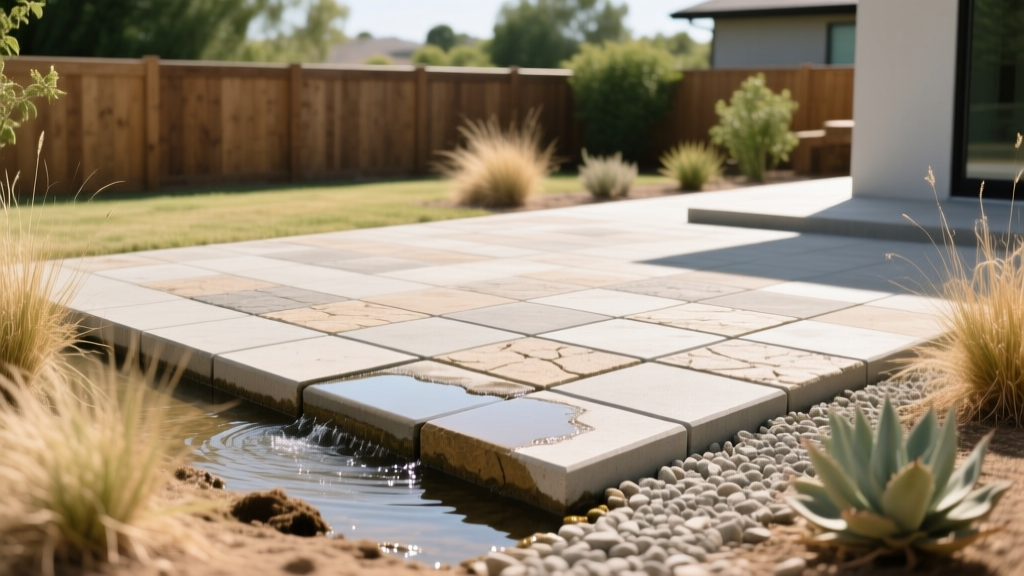
Eco-Friendly Permeable Pavers: DIY Sustainable Patios
James MillerPublished
The Environmental Impact of Traditional Hardscaping
When designing outdoor living spaces, homeowners often default to traditional concrete slabs or asphalt for patios and walkways. While inexpensive upfront, these impervious surfaces create significant environmental issues. According to the Environmental Protection Agency (EPA), impervious surfaces prevent rainwater from naturally infiltrating the soil, leading to increased stormwater runoff. This runoff picks up pollutants like fertilizers, oil, and heavy metals, carrying them directly into local waterways and overwhelming municipal sewer systems.
By transitioning to eco-friendly, sustainable landscaping methods, you can bridge the gap between functional outdoor living and environmental stewardship. Installing a permeable paver patio is one of the most impactful DIY projects a homeowner can undertake to reduce their property's ecological footprint while elevating their garden's aesthetic.
What Are Permeable Pavers?
Permeable pavers are a green infrastructure solution designed to mimic natural ground absorption. Unlike standard pavers that rely on sand-filled joints and a solid concrete base, permeable paving systems are installed over a deep, open-graded aggregate base. The joints between the pavers are filled with small, crushed stones rather than sand, allowing water to flow through the surface and temporarily store in the base layer below before slowly percolating into the native soil.
As noted by researchers at NC State University Extension, these systems can reduce runoff volume by up to 80% and significantly filter out suspended solids and heavy metals, making them an ideal sustainable choice for garden patios, driveways, and walkways.
Comparing Eco-Friendly Paver Materials
Not all permeable surfaces are created equal. Choosing the right material depends on your budget, aesthetic preferences, and DIY skill level. Below is a comparison chart of the most common eco-friendly paving options for residential projects.
| Material Type | Avg. Cost (per sq ft) | Permeability Rate | DIY Difficulty | Expected Lifespan |
|---|---|---|---|---|
| Permeable Interlocking Concrete (PICP) | $8 - $15 | High | Moderate | 20-30 Years |
| Pervious Poured Concrete | $6 - $12 | Very High | High (Pro needed) | 15-20 Years |
| Plastic Grid Systems w/ Gravel | $4 - $8 | Very High | Easy | 10-15 Years |
| Natural Flagstone w/ Gravel Joints | $12 - $20 | Moderate | Moderate | 30+ Years |
For most DIY garden patios, Permeable Interlocking Concrete Pavers (PICP) or Natural Flagstone with gravel joints offer the best balance of aesthetic appeal, longevity, and manageable installation.
Step-by-Step Guide to Installing a Permeable Patio
Building a permeable patio requires precision, particularly regarding the base materials. According to guidelines outlined by Penn State Extension, the success of a permeable system relies entirely on the structural integrity and porosity of the aggregate base. Here is how to build a 10x10 foot (100 sq ft) PICP patio.
Step 1: Excavation and Soil Assessment
Unlike traditional patios that require only 6 to 8 inches of excavation, a permeable system needs a deep reservoir to hold stormwater.
- Depth: Excavate 12 to 18 inches deep. If your native soil is heavy clay, lean toward 18 inches to provide a larger storage reservoir.
- Slope: Maintain a 1% to 2% slope away from your home's foundation to ensure surface overflow moves safely away from the structure.
- Geotextile Fabric: If you have clay soil, line the bottom and sides of the excavated area with a non-woven geotextile fabric to prevent fine soil particles from migrating up and clogging the aggregate base.
Performing a Percolation Test
Before finalizing your excavation depth, perform a simple percolation test. Dig a test hole 12 inches deep and fill it with water. Let it drain completely, then refill it to the top and measure how long it takes to drain. If the water level drops less than 1 inch per hour, you have heavy clay soil and will need to maximize your aggregate reservoir depth or consider installing an underdrain pipe that routes excess water to a rain garden or dry well.
Step 2: Building the Aggregate Base Layers
The base is the engine of your permeable patio. You must use washed, crushed stone—never use gravel with "fines" (dust and small particles), as these will clog the system.
- Reservoir Base Layer: Add 8 to 12 inches of ASTM No. 57 washed crushed stone (roughly 1/2 to 1 inch in size). Compact this layer using a vibratory plate compactor (rentable for ~$80/day) in 4-inch lifts.
- Bedding Layer: Add a 2-inch layer of ASTM No. 8 or No. 89 washed crushed stone (roughly 1/8 to 3/8 inch in size). Do not compact this layer; simply screed it perfectly level using steel pipes and a 2x4 board.
Step 3: Laying the Pavers and Jointing
Begin laying your permeable pavers from a fixed corner, maintaining tight, consistent joints. Permeable pavers often feature built-in spacer bars to ensure the correct gap width.
- Cutting: Use a masonry saw with a diamond blade to cut edge pieces. Always cut pavers away from the patio area to prevent stone dust from washing into the bedding layer.
- Jointing Material: Sweep ASTM No. 8 or No. 9 crushed stone into the joints. Never use masonry sand or polymeric sand, as these are designed to block water.
- Final Compaction: Run the vibratory plate compactor over the entire patio with a protective urethane pad attached to the base. This vibrates the jointing stone deep into the gaps and locks the pavers into the bedding layer.
Budgeting for Your Sustainable Patio
While the initial material cost for permeable pavers is slightly higher than standard concrete, the long-term environmental and financial benefits are substantial. Professional installation typically ranges from $20 to $35 per square foot. However, for a 100-square-foot DIY patio, expect the following approximate costs:
- Pavers: $400 - $600
- Aggregates (No. 57 and No. 8 stone): $150 - $250 (approx. 4-5 tons total)
- Geotextile Fabric & Edging: $75 - $120
- Equipment Rental (Compactor, Saw): $150 - $200
- Total Estimated DIY Cost: $775 - $1,170
Furthermore, many municipalities offer stormwater fee credits or rebates for homeowners who install green infrastructure that reduces runoff into the city's sewer system, potentially offsetting your costs significantly.
Maintenance for Long-Term Permeability
To ensure your eco-friendly patio continues to absorb water for decades, routine maintenance is required. The primary enemy of permeable pavers is surface clogging from organic debris and sediment.
- Seasonal Cleaning: Use a stiff push broom or a leaf blower to remove leaves and organic matter before they decompose into the joints.
- Weed Control: Avoid chemical herbicides that can leach into the groundwater. Instead, use boiling water or horticultural vinegar to treat any weeds that manage to sprout in the aggregate joints.
- Deep Cleaning: Every 2 to 3 years, use a specialized vacuum sweeper or a pressure washer combined with a wet-vac to extract accumulated sediment from the top inch of the joints, then refill with fresh No. 8 aggregate.
- Winter Care: Avoid using sand or heavy rock salt for de-icing, which can clog the joints or damage the concrete. Instead, use a calcium magnesium acetate (CMA) based ice melt, which is environmentally safe and won't leave behind clogging residues.
Conclusion
Integrating sustainable methods into your outdoor living spaces doesn't mean sacrificing beauty or functionality. By choosing permeable pavers for your next patio or walkway project, you actively reduce local water pollution, replenish groundwater tables, and create a stunning, durable garden feature. It is a powerful testament to the fact that the best home and garden improvements are those that work in harmony with nature.
