Home & Garden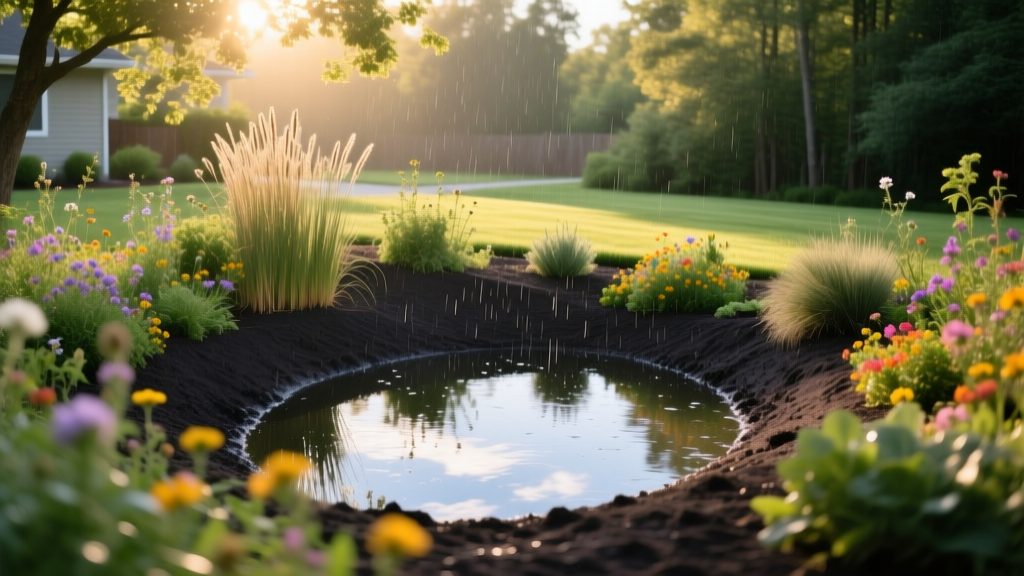
Eco-Friendly Rain Gardens: Sustainable Stormwater Management
Anna KowalskiPublished
Transforming Your Landscape with Sustainable Stormwater Solutions
Transforming your outdoor space into a sustainable, eco-friendly sanctuary requires more than just planting a few trees or reducing your lawn size. It involves rethinking how your property interacts with the local ecosystem, particularly when it comes to water management. One of the most effective, visually stunning, and ecologically beneficial methods for bridging the gap between functional home maintenance and environmental stewardship is the installation of a rain garden. A rain garden is a shallow, planted depression designed to capture, filter, and slowly absorb stormwater runoff from impervious surfaces like roofs, driveways, and patios.
Unlike traditional landscaping features that merely divert water into municipal sewer systems, a sustainable rain garden mimics the natural hydrological cycle. It reduces the burden on local water treatment facilities, prevents soil erosion, and creates a thriving micro-habitat for native pollinators, birds, and beneficial insects. By integrating eco-friendly landscaping principles with smart home irrigation technology, homeowners can create a closed-loop water management system that saves money, conserves resources, and enhances the natural beauty of their outdoor living spaces.
The Hidden Environmental Cost of Stormwater Runoff
To understand the value of a rain garden, we must first examine the problem it solves. In natural, undeveloped environments, the vast majority of rainfall is absorbed by deep-rooted native plants and porous soils. However, modern suburban landscapes are dominated by impervious surfaces. When rain hits a shingled roof or an asphalt driveway, it has nowhere to go but down the nearest slope or into a storm drain.
According to the Environmental Protection Agency (EPA), stormwater runoff is one of the leading causes of water pollution in the United States. As water rushes across lawns, driveways, and streets, it picks up a toxic cocktail of pollutants, including synthetic lawn fertilizers, petroleum residue, pet waste, heavy metals, and pesticides. This untreated runoff is often discharged directly into local streams, rivers, and lakes, leading to harmful algal blooms, fish kills, and the degradation of drinking water sources. By capturing this water on-site, a rain garden acts as a natural bio-filter, allowing the soil and plant roots to break down pollutants before the water recharges the local groundwater table.
Strategic Siting: Where to Place Your Rain Garden
The success of a rain garden relies heavily on proper placement. You want to intercept water naturally, but you must also protect your home's structural integrity. Follow these critical siting guidelines to ensure your eco-friendly project is both safe and effective:
- The 10-Foot Rule: Never place a rain garden closer than 10 feet from your home's foundation to prevent water from seeping into your basement or undermining your footing.
- Avoid Utility Lines: Always call your local utility locating service (such as 811 in the United States) before digging. Avoid building over septic systems, underground gas lines, or buried electrical conduits.
- Follow the Natural Flow: Observe your yard during a heavy rainstorm. Identify the natural pathways where water flows from your downspouts or driveway. Your rain garden should be situated in a natural low point or along a gentle slope to easily receive diverted water.
- Sunlight Requirements: Most native rain garden plants require full sun to partial shade. Aim for a location that receives at least six hours of direct sunlight daily to ensure robust plant growth and maximize evapotranspiration.
The Percolation Test: Engineering the Perfect Soil Mix
A rain garden is only as effective as its soil. If your native soil is heavy, compacted clay, water will pool and stagnate, creating a mosquito breeding ground rather than a sustainable bio-filter. Before excavating, you must perform a simple percolation test to determine your soil's drainage rate.
Dig a test hole about 12 inches deep and 6 inches wide in your proposed location. Fill it with water and let it drain completely to saturate the surrounding soil. Then, fill it a second time and measure how long it takes for the water level to drop by one inch. Ideal rain garden soil should drain at a rate of 1 to 2 inches per hour. If your native clay drains slower than 0.5 inches per hour, you will need to excavate the area to a depth of 18 to 24 inches and replace it with a highly permeable, engineered soil mix.
The gold standard for sustainable rain garden soil is the 50-25-25 mix: 50% coarse washed builder's sand, 25% high-quality screened topsoil, and 25% organic compost. This specific ratio provides the rapid drainage required to prevent standing water while retaining enough organic matter and moisture to sustain plants during dry summer spells. Expect to spend approximately $40 to $70 per cubic yard for this custom-blended soil at local landscape supply yards.
Zoning Your Rain Garden with Native Plants
When selecting plants, sustainability dictates that we look to native species. The National Wildlife Federation emphasizes that native plants are uniquely adapted to local climate conditions, require significantly less supplemental watering once established, and provide essential food and habitat for local wildlife. Furthermore, native plants possess deep, extensive root systems—often reaching 5 to 15 feet underground—which act as natural conduits to pull stormwater deep into the soil profile.
A rain garden is typically divided into three distinct hydrological zones, each requiring plants with specific moisture tolerances:
| Zone | Location & Moisture Level | Recommended Native Plants (Examples) |
|---|---|---|
| Zone 1: The Bowl | Bottom center; holds water the longest; alternating wet and dry cycles. | Blue Flag Iris, Swamp Milkweed, Cardinal Flower, Soft Rush |
| Zone 2: The Slope | Sides of the depression; moderate moisture; occasional inundation. | Wild Bergamot, Joe-Pye Weed, New England Aster, Blue Lobelia |
| Zone 3: The Berm | >td>Top edge; well-drained; driest zone, relies mostly on rainfall.Black-Eyed Susan, Purple Coneflower, Little Bluestem, Butterfly Weed |
By strategically zoning your plant selections, you ensure that each species thrives in its specific micro-environment, reducing the need for chemical fertilizers, pesticides, and constant human intervention.
Smart Home Integration for Sustainable Water Management
Bridging the gap between eco-friendly landscaping and modern convenience is easier than ever with smart home integration. While a well-designed rain garden should rely almost entirely on natural rainfall, adjacent landscape zones may still require supplemental irrigation during severe droughts. However, overwatering can flood the rain garden, washing away mulch and drowning plant roots.
To prevent this, integrate wireless soil moisture sensors into your smart irrigation controller (such as a Rachio or B-hyve system). By placing a Zigbee or Wi-Fi-enabled moisture probe in the rain garden's "bowl" zone, you can program your smart hub to automatically override and disable adjacent sprinkler zones if the rain garden's soil saturation exceeds a predetermined threshold (e.g., 60% volumetric water content). This not only protects your eco-friendly installation but also aligns with broader conservation goals. As noted in the EPA's guide on Green Infrastructure Basics, combining natural stormwater management with smart technology maximizes water efficiency and reduces municipal water consumption.
Eco-Friendly Maintenance and Seasonal Care
A sustainable rain garden is designed to be low-maintenance, but it is not "no-maintenance." To keep your system functioning as an eco-friendly bio-filter, avoid the use of synthetic fertilizers, herbicides, and pesticides. These chemicals will defeat the purpose of the garden by washing directly into the groundwater you are trying to protect.
Instead, maintain your garden using organic methods:
- Sustainable Mulching: Apply a 2-to-3-inch layer of double-shredded hardwood mulch or arborist wood chips. Avoid using gravel or river rock, as they do not retain moisture and can wash away during heavy storms. Sourcing free arborist chips from local tree-trimming services is a highly sustainable, zero-waste option.
- Weed Management: Hand-pull invasive weeds during the first two years while native plants are establishing their deep root systems. Once mature, the dense canopy of native perennials will naturally suppress most weeds.
- Sediment Removal: Annually inspect the inlet where water enters the garden. Remove any accumulated silt, trash, or leaf litter that could block water flow or smother plant crowns.
- Seasonal Pruning: Leave dead plant stalks standing through the winter. They provide crucial overwintering habitat for native bees and birds. Cut them back to about 6 inches above the ground in early spring to allow for new growth.
Conclusion: Cultivating a Greener Future
Installing an eco-friendly rain garden is a powerful step toward sustainable homeownership. It transforms a pervasive environmental problem—stormwater runoff—into a beautiful, life-sustaining landscape feature. By carefully selecting your site, engineering a permeable soil mix, planting native species, and integrating smart moisture-sensing technology, you create a resilient outdoor space that benefits your property and the broader ecosystem for decades to come.
