Home & Garden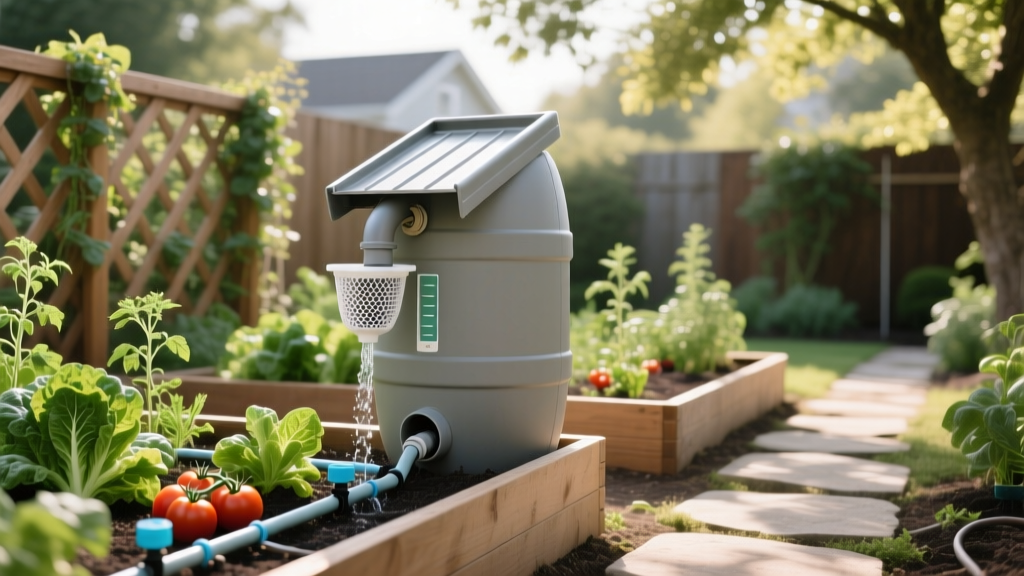
Smart Rainwater Harvesting: Eco-Friendly Garden Irrigation
Robert HayesPublished
As homeowners increasingly bridge the gap between indoor living and outdoor sustainability, the garden-to-table movement has taken center stage. Cultivating a thriving, organic vegetable garden requires a significant amount of water, but relying solely on municipal water supplies is neither eco-friendly nor cost-effective. By designing a smart rainwater harvesting system, you can create a closed-loop irrigation setup that nourishes your garden-to-table beds while drastically reducing your environmental footprint.
The Environmental Impact of Traditional Irrigation
Before diving into the mechanics of rainwater harvesting, it is crucial to understand the environmental cost of conventional landscaping. According to the Environmental Protection Agency (EPA), outdoor water use accounts for 30 to 60 percent of total household water consumption in the United States. In arid regions, this number can climb even higher. Municipal water requires immense amounts of energy to treat, pump, and distribute. By capturing rainwater directly from your roof, you bypass this energy-intensive process, reducing your carbon footprint and easing the strain on local aquifers and reservoirs.
Every drop of rainwater harvested is a drop saved from the municipal treatment plant, reducing both your utility bill and the energy required to pump treated water to your home.
Assessing Your Roof Catchment Potential
The first step in building an eco-friendly irrigation system is calculating how much water you can actually harvest. The formula for determining your catchment potential is straightforward:
Catchment Area (sq ft) x Rainfall (inches) x 0.623 = Gallons of water harvested.
For example, a 1,000-square-foot roof section receiving just one inch of rain will yield approximately 623 gallons of water. However, you must also account for system efficiency. Factors like wind, evaporation, and gutter splash can reduce your yield. Most professionals calculate an 85% to 90% efficiency rate for well-maintained systems.
Roof Material and Edible Gardens
When irrigating a garden-to-table space, water quality matters. Metal roofs are the gold standard for rainwater harvesting, as they shed debris easily and do not leach harmful chemicals. Asphalt shingles are common and generally safe for ornamental plants, but they can shed micro-granules and trace hydrocarbons. If you have an asphalt roof and are growing edibles, installing a robust first-flush diverter and a carbon-based filtration system is highly recommended to ensure your vegetables remain safe for consumption. Avoid harvesting water from roofs treated with moss-killing chemicals (like zinc or copper strips) or older roofs containing asbestos or lead-based paint.
Choosing the Right Storage Vessel
Selecting the proper storage container is a balance of budget, available space, and garden size. Below is a comparison chart to help you choose the right vessel for your sustainable landscape.
| Storage Type | Capacity | Avg. Cost | Footprint | Best For |
|---|---|---|---|---|
| 55-Gal Rain Barrel | 55 Gallons | $80 - $130 | 2 sq ft | Small container gardens and herb spirals |
| 275-Gal IBC Tote | 275 Gallons | $150 - $250 | 12 sq ft | Medium raised bed gardens and drip systems |
| 1000-Gal Cistern | 1000 Gallons | $1,500+ | 20 sq ft | Full landscape and large-scale food forests |
For most suburban garden-to-table setups, a food-grade 275-gallon IBC (Intermediate Bulk Container) tote offers the best return on investment. They are UV-resistant, structurally sound, and fit neatly against the side of a garage or shed.
Essential Components for a Clean, Safe System
To ensure your harvested water is safe for your vegetable garden and does not clog your smart irrigation valves, you must incorporate proper pre-filtration.
- Leaf Eaters / Gutter Guards: Install mesh screens at the top of your downspouts to prevent leaves, pine needles, and roof grit from entering the system.
- First-Flush Diverter: This is a critical component for edible gardens. A first-flush diverter captures the initial flow of rain—which washes away bird droppings, dust, and pollen from the roof—and seals it off, allowing only the cleaner water to flow into your main tank. A general rule of thumb from Texas A&M AgriLife Extension is to divert at least 10 gallons per 1,000 square feet of roof area.
- Overflow and Drain Valves: Always install an overflow pipe near the top of the tank directed away from your home's foundation, and a bottom drain valve for seasonal maintenance.
Integrating Smart Home Irrigation Technology
A truly sustainable system doesn't just collect water; it applies it intelligently. Bridging outdoor landscaping with smart home technology ensures you never overwater your garden. By pairing your rainwater tank with a smart irrigation controller, you can automate your drip system based on real-time weather data and soil moisture levels.
The EPA highly recommends using WaterSense labeled weather-based irrigation controllers (WBICs). These devices use local Wi-Fi to pull hyper-local weather forecasts, automatically skipping scheduled watering if rain is expected. To integrate this with a gravity-fed or low-pressure rainwater system, you will need to install a low-voltage solenoid valve and a shallow well jet pump (if your tank is not elevated) to provide the 15-30 PSI required for standard drip irrigation tubing.
Recommended Smart Setup for Raised Beds
- Pump: 1/2 HP shallow well jet pump to pull water from the IBC tote and pressurize the line.
- Controller: A Wi-Fi-enabled smart controller (e.g., Rachio 3 or B-hyve) placed in a weatherproof outdoor enclosure.
- Sensors: Wireless soil moisture sensors placed directly in your raised beds at the root zone (6 inches deep).
- Distribution: 1/2-inch mainline poly tubing with 1/4-inch drip lines featuring 1 GPH (gallon per hour) pressure-compensating emitters spaced 12 inches apart.
Step-by-Step DIY Installation Guide
Installing a rainwater harvesting system is a manageable weekend DIY project. Follow these steps for a secure, eco-friendly setup:
Step 1: Prepare the Base. A 275-gallon IBC tote weighs over 2,300 lbs when full. You must prepare a level base using compacted gravel or poured concrete pavers. Ensure the base is perfectly level to prevent structural stress on the tote's plastic cage.
Step 2: Install the First-Flush Diverter. Cut your existing downspout and install the first-flush diverter according to the manufacturer's instructions. Ensure the slow-release drain valve at the bottom of the diverter is clear of debris so it can reset before the next storm.
Step 3: Connect to the Tank. Use flexible PVC or corrugated downspout extenders to route the clean water from the diverter into the top inlet of your IBC tote. Seal all connections with waterproof silicone to prevent mosquito breeding.
Step 4: Set Up the Pump and Filtration. Connect your pump to the bottom 2-inch ball valve of the tote. Install a 120-mesh inline disc filter immediately after the pump to catch any microscopic algae or sediment before it reaches your smart valves and drip emitters.
Step 5: Lay the Drip Lines. Run your 1/2-inch mainline from the pump's output to your garden beds. Secure the tubing with landscape staples every 3 feet. Punch in your 1/4-inch drip lines and position the emitters directly at the base of your tomato, pepper, and leafy green plants.
Seasonal Maintenance and Winterization
To ensure the longevity of your eco-friendly system, seasonal maintenance is non-negotiable. In the spring, clean out all gutter guards, flush the first-flush diverter, and inspect the IBC tote for any signs of algae growth. If algae is present, drain the tank and scrub the interior with a diluted white vinegar solution—avoid harsh chemical bleaches that could contaminate your garden soil.
In the fall, before the first hard freeze, you must winterize the system. Turn off the pump, open the bottom drain valve to completely empty the IBC tote, and use an air compressor to blow out any remaining water from the drip lines and smart solenoid valves. Freezing water will expand and crack your pump housing, PVC fittings, and irrigation tubing, leading to costly replacements and water waste.
Conclusion
Transitioning to a smart rainwater harvesting system is one of the most impactful eco-friendly upgrades you can make to your home and garden. By capturing natural precipitation, filtering it safely, and distributing it via smart home technology, you create a resilient, sustainable garden-to-table ecosystem. Not only will your vegetables thrive on soft, chemical-free rainwater, but you will also enjoy the peace of mind that comes with knowing your landscape is working in harmony with the local environment.
