Home & Garden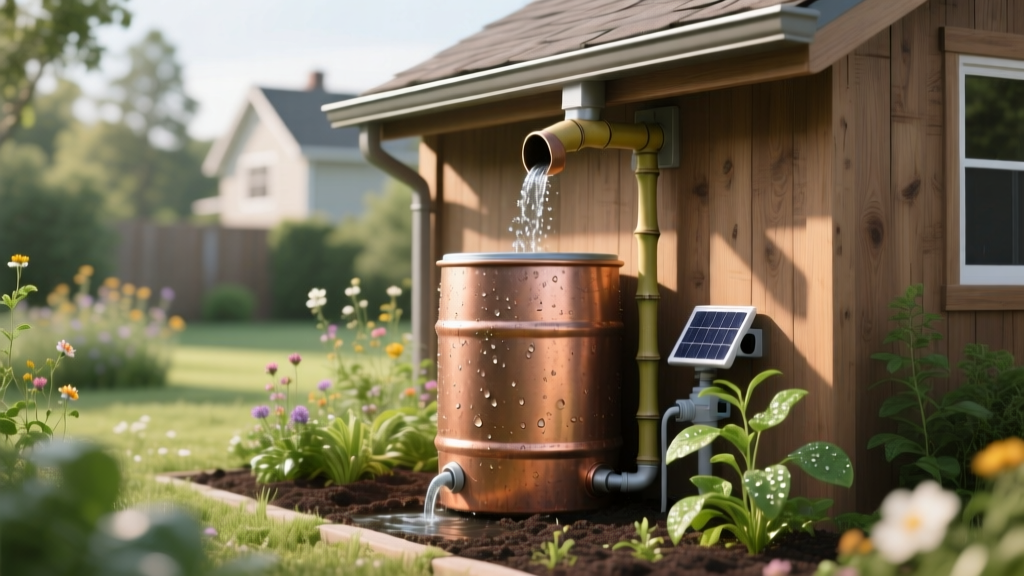
Eco-Friendly Rainwater Harvesting for Garden Irrigation
Robert HayesPublished
Transforming Your Landscape with Sustainable Rainwater Harvesting
As homeowners increasingly seek to bridge the gap between comfortable indoor living and vibrant outdoor spaces, the demand for sustainable landscaping practices has never been higher. One of the most impactful eco-friendly methods you can implement is a rainwater harvesting system. By capturing and reusing natural precipitation, you not only nurture a lush, garden-to-table oasis but also drastically reduce your reliance on municipal water supplies. This comprehensive guide explores the practical steps, costs, and smart home integrations required to build an efficient, closed-loop irrigation system for your home and garden.
The Environmental and Economic Case for Rainwater Collection
According to the U.S. Environmental Protection Agency (EPA), outdoor water use accounts for nearly 30% of total household water consumption, with that figure climbing to 60% in arid regions during the summer months. By diverting rainwater from storm drains and utilizing it for your garden, you reduce the energy-intensive treatment and pumping required for municipal water. Furthermore, rainwater is naturally soft, devoid of chlorine, fluoride, and dissolved salts found in tap water, making it the superior choice for soil health and plant vitality. Over time, a well-designed system can offset thousands of gallons of municipal water usage annually, leading to significant reductions in your utility bills while protecting local watersheds from runoff pollution.
Calculating Your Harvest Potential
Before purchasing equipment, you must understand the mathematical potential of your roof's catchment area. The standard formula for calculating rainwater yield is straightforward: one inch of rain falling on 1,000 square feet of roof space yields approximately 600 gallons of water. However, system efficiency must be factored in. According to research published by Texas A&M AgriLife Extension, you should apply an efficiency factor of 0.75 to 0.90 to account for evaporation, splash loss, and initial surface wetting. For example, a 2,000-square-foot roof receiving 1 inch of rain will realistically yield between 900 and 1,080 gallons of harvestable water. Understanding these metrics allows you to properly size your storage cisterns based on your local historical rainfall data and your garden's seasonal irrigation demands.
Essential Components of an Eco-Friendly System
1. Catchment Surface and Gutter Upgrades
Your roof is the primary catchment surface. While metal roofs offer the highest water quality and collection efficiency, standard asphalt shingles are also viable for non-potable garden irrigation. To maximize flow, upgrade to 5-inch or 6-inch K-style aluminum gutters. Install stainless steel micro-mesh gutter guards (costing roughly $2 to $4 per linear foot) to prevent leaves and pine needles from entering the system, which reduces maintenance and prevents organic decay inside your storage tanks.
2. Pre-Filtration and First Flush Diverters
The first few gallons of rain wash away bird droppings, pollen, and atmospheric dust from your roof. A first flush diverter is a crucial eco-friendly component that isolates this initial, contaminated water, preventing it from entering your main cistern. For every 1,000 square feet of catchment area, you should divert at least 5 to 10 gallons. These standalone PVC diversion chambers typically cost between $50 and $150 and require only occasional draining and cleaning.
3. Storage Cisterns and Rain Barrels
Storage is the heart of your system. For small urban gardens, linking multiple 55-gallon food-grade polyethylene rain barrels via a manifold kit ($100 to $200) is a cost-effective entry point. For larger landscapes or garden-to-table vegetable plots, a 500-gallon to 1,500-gallon above-ground cistern ($400 to $1,200) provides the volume necessary to survive dry spells. Always opt for opaque, UV-treated tanks to block sunlight, which prevents algae growth and preserves water quality without the need for chemical algaecides.
System Comparison: Above-Ground vs. Underground Cisterns
Choosing the right storage method depends on your budget, aesthetic preferences, and local climate. Below is a structured comparison to help you decide which setup aligns with your sustainable landscaping goals.
| Feature | Above-Ground Cistern | Underground Cistern |
|---|---|---|
| Installation Cost | $800 - $2,500 | $3,500 - $8,000+ |
| Maintenance Ease | High (Easy access to valves and pumps) | Low (Requires submersible pump servicing) |
| Aesthetics | Visible (Can be screened with trellises or vines) | Invisible (Preserves pristine landscape design) |
| Temperature Control | Prone to freezing in winter, algae risk in summer | Naturally insulated year-round by the earth |
| Lifespan | 15 - 20 years (UV degradation risk) | 30 - 50+ years (Protected from elements) |
Pro Tip: Always use food-grade polyethylene tanks for your water storage. Even if you are only watering ornamental plants, chemicals from non-food-grade plastics can leach into the soil and disrupt the delicate microbiome of your garden beds, ultimately affecting your garden-to-table harvest.
Smart Home Integration for Precision Irrigation
To truly maximize the eco-friendly potential of your rainwater harvesting system, integrate it with smart home irrigation technology. Controllers like the Rachio 3 or Orbit B-hyve connect to local weather stations and utilize hyper-local forecasting to skip watering schedules when rain is imminent. When pairing a smart controller with a pressurized rainwater system, you will need to install a pump start relay. This device signals your 1/2 HP shallow well jet pump ($150 to $250) to pressurize the drip irrigation lines only when the smart controller opens the zone valves. By combining rainwater harvesting with smart soil moisture sensors, you ensure that every drop of harvested water is deployed exactly when and where your plants need it, eliminating water waste entirely. The American Rainwater Catchment Systems Association (ARCSA) highly recommends automated pump management to prevent dry-running and extend the lifespan of your hardware.
Seasonal Maintenance and Winterization
An eco-friendly system requires mindful, low-impact maintenance to function optimally year-round. Avoid harsh chemical cleaners; instead, rely on mechanical filtration and natural biological controls.
- Gutter and Screen Cleaning: Remove leaves and debris in late autumn and early spring. A simple garden hose and a stiff brush are all you need to clear micro-mesh screens.
- First Flush Maintenance: Drain and rinse the diverter chamber every three months to remove accumulated sediment and prevent foul odors.
- Eco-Friendly Mosquito Control: If water sits in your tanks, use Bti (Bacillus thuringiensis israelensis) dunks. Bti is a naturally occurring bacterium that targets mosquito larvae but is 100% safe for pets, wildlife, and edible garden plants.
- Winterization: In freezing climates, drain all above-ground pipes, pumps, and filters before the first hard freeze. Leave tank valves open to prevent cracking if residual water expands.
Final Thoughts on Sustainable Landscaping
Implementing a rainwater harvesting system is a profound step toward a self-sustaining, eco-friendly home landscape. It bridges the gap between responsible environmental stewardship and the practical needs of a thriving outdoor living space. By carefully calculating your catchment potential, investing in proper filtration, and leveraging smart home irrigation technology, you create a resilient garden that thrives in harmony with nature. Not only will your plants benefit from the pure, chemical-free water, but you will also enjoy the peace of mind that comes with knowing your landscape is contributing to a healthier, more sustainable local ecosystem.
