Home & Garden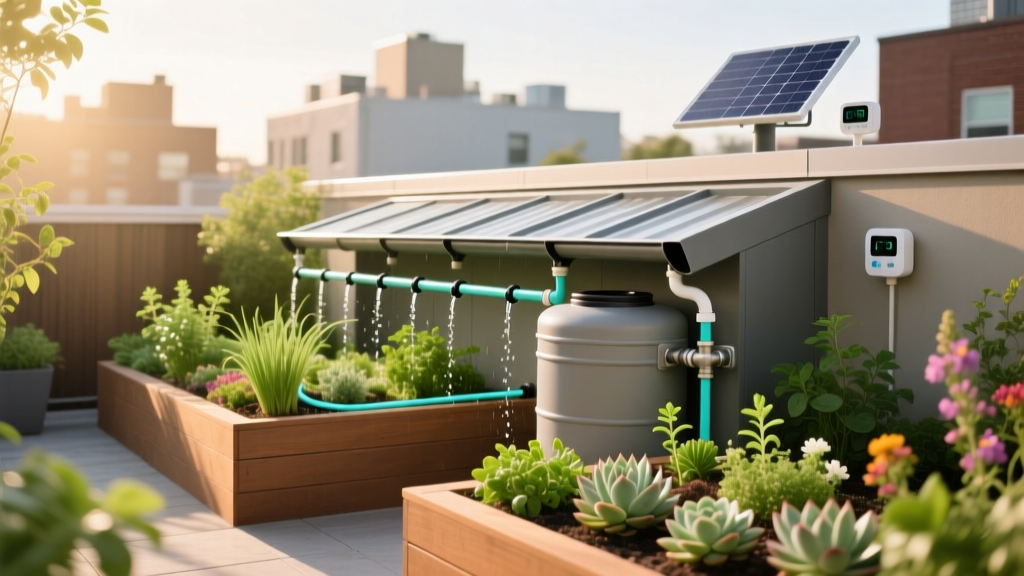
Eco-Friendly Rainwater Harvesting for Smart Gardens
Robert HayesPublished
The Intersection of Sustainable Landscaping and Smart Technology
As homeowners increasingly seek to bridge the gap between indoor comfort and outdoor living, the modern garden has evolved into a hub of sustainability and smart technology. One of the most impactful ways to enhance your outdoor space while reducing your environmental footprint is through eco-friendly rainwater harvesting. By capturing, storing, and intelligently distributing natural precipitation, you can maintain a lush landscape, support a thriving garden-to-table vegetable patch, and drastically reduce your reliance on municipal water supplies. When paired with smart home irrigation systems, rainwater harvesting becomes a seamless, energy-efficient addition to your property that pays dividends for both your wallet and the local ecosystem.
Why Harvest Rainwater for Edible and Ornamental Gardens?
Municipal water is typically treated with chlorine, chloramines, and fluoride to ensure it is safe for human consumption. However, these chemicals can be detrimental to the delicate soil microbiomes required for organic, garden-to-table crop production. Beneficial mycorrhizal fungi and nitrogen-fixing bacteria struggle to thrive in heavily chlorinated soil, which can stunt the growth of tomatoes, peppers, and leafy greens. Rainwater, by contrast, is naturally soft, slightly acidic, and completely free of these additives, making it the ultimate eco-friendly hydration source for your edible garden.
Furthermore, capturing rainwater mitigates the impact of stormwater runoff. According to EPA's Green Infrastructure guidelines, unmanaged runoff picks up pollutants like fertilizers, pesticides, and motor oil, carrying them directly into local watersheds. By intercepting this water at your roofline, you are actively participating in local water conservation and pollution reduction efforts.
Sizing Your Catchment Area and Storage Tank
Before purchasing equipment, you must calculate your roof's catchment potential to determine the appropriate storage tank size. The general rule of thumb is that one inch of rain falling on 1,000 square feet of roof space yields approximately 600 gallons of harvestable water.
Calculating Your Needs
To find your catchment area, measure the length and width of your home's footprint (not the angled roof surface, but the flat area it covers). For example, a 2,000-square-foot footprint can capture roughly 1,200 gallons per inch of rain. If your region receives an average of 3 inches of rain per month during the growing season, you could potentially harvest 3,600 gallons monthly. For most residential garden-to-table setups and ornamental perennial beds, a storage capacity of 500 to 1,000 gallons provides a sufficient buffer to sustain plants through brief dry spells without requiring an overwhelming amount of physical space in your yard.
Essential Components of an Eco-Friendly System
Building a sustainable rainwater harvesting system requires more than just a barrel under a downspout. To ensure water quality and system longevity, incorporate the following components:
- Leaf Screens and Gutter Guards: Stainless steel mesh screens prevent leaves, pine needles, and roof grit from entering the system, reducing maintenance and preventing anaerobic bacterial growth in the tank.
- First-Flush Diverter: This crucial pipe fitting captures the initial flow of rain, which contains bird droppings, dust, and pollen from the roof. Once the diverter chamber is full, the cleaner water flows into your main storage tank.
- Upcycled IBC Totes: Instead of buying expensive, newly manufactured polyethylene tanks, source food-grade Intermediate Bulk Container (IBC) totes. These 275-gallon cubes are often discarded by food processing plants and can be upcycled, keeping heavy-duty plastics out of landfills.
- Submersible Pump with Pressure Tank: To integrate with modern drip irrigation, a 1/2 HP submersible pump paired with a small pressure tank ensures consistent water pressure without overworking the motor.
Cost Breakdown and ROI
Investing in a rainwater system yields long-term savings on utility bills while increasing your property's eco-friendly appeal. Below is a breakdown of estimated costs for a mid-sized, smart-integrated residential system.
| Component | Estimated Cost | Eco-Friendly Benefit |
|---|---|---|
| 275-Gallon IBC Tote (Upcycled) | $50 - $150 | Diverts plastic from landfills; provides substantial storage. |
| First-Flush Diverter Kit | $40 - $80 | Prevents roof debris and pollutants from entering the tank. |
| Smart Wi-Fi Irrigation Controller | $150 - $250 | Reduces water waste by adjusting schedules based on local weather. |
| 1/2 HP Submersible Pump | $120 - $200 | Provides energy-efficient pressure for targeted drip irrigation. |
| PVC Piping and Fittings | $80 - $150 | Durable, long-lasting infrastructure that minimizes leaks. |
Step-by-Step Installation Guide
Proper installation ensures your system operates safely and efficiently. The Texas A&M AgriLife Extension provides extensive research on residential catchment setups, emphasizing the importance of a level, reinforced base for your storage tanks.
- Prepare the Foundation: A fully loaded 275-gallon IBC tote weighs over 2,300 pounds. Excavate a level area near your downspout and lay down a compacted gravel base topped with concrete pavers to prevent sinking and shifting.
- Install the First-Flush Diverter: Cut into your downspout and route the initial water flow into a vertical PVC pipe. Cap the bottom of this pipe with a slow-release valve so it empties itself after each storm, resetting for the next rainfall.
- Connect the Tank and Secure the Lid: Route the clean water line into the top of the IBC tote. Ensure the lid is tightly sealed and fitted with a fine mesh screen to prevent mosquitoes from breeding in the standing water.
- Set Up the Pump and Filtration: Lower the submersible pump into the tank. Attach a 120-mesh disc filter to the outflow line to protect your smart irrigation valves and drip emitters from microscopic debris.
Smart Home Integration for Irrigation
To truly bridge the gap between sustainable landscaping and modern convenience, integrate your rainwater system with a smart home ecosystem. Traditional timers waste water by irrigating during rainstorms, but Wi-Fi-enabled controllers like the Rachio 3 or Orbit B-hyve utilize hyper-local weather data to skip watering when rain is imminent. According to EPA WaterSense smart irrigation protocols, these devices can reduce outdoor water use by up to 20% compared to standard clock-based timers.
For advanced eco-conscious homeowners, you can install a smart water level sensor inside your IBC tote. Connected to a hub like SmartThings or Home Assistant, this sensor can automatically switch your irrigation system's water source from the rainwater pump to a municipal backup valve if the tank levels drop below 10%. Furthermore, integrating solar-powered smart landscape lighting around your rain garden and tank enclosure enhances your outdoor living space, creating a beautiful, illuminated focal point for evening patio gatherings without drawing from the grid.
Seasonal Maintenance for Longevity
An eco-friendly system requires mindful maintenance to ensure it remains a sustainable asset rather than a source of waste. In the spring, clean out your gutter guards and flush the first-flush diverter chamber to remove accumulated winter grime. During the summer, monitor your drip lines for clogs, as organic matter in rainwater can occasionally foster algae growth in sun-exposed tubing. If you live in a climate with freezing winter temperatures, it is imperative to completely drain the IBC tote, the pump, and all above-ground PVC piping before the first hard freeze to prevent catastrophic cracking and the need for premature, wasteful replacements.
Conclusion
Implementing a smart rainwater harvesting system is a profound step toward sustainable outdoor living. By providing your garden-to-table crops with pure, chemical-free water, reducing stormwater runoff, and leveraging smart home technology to eliminate waste, you create a resilient landscape that thrives in harmony with nature. Whether you are nurturing a delicate heirloom tomato garden or simply maintaining a lush, energy-efficient perimeter around your outdoor patio, harvesting the rain is an investment in the future of your home and the planet.
