Home & Garden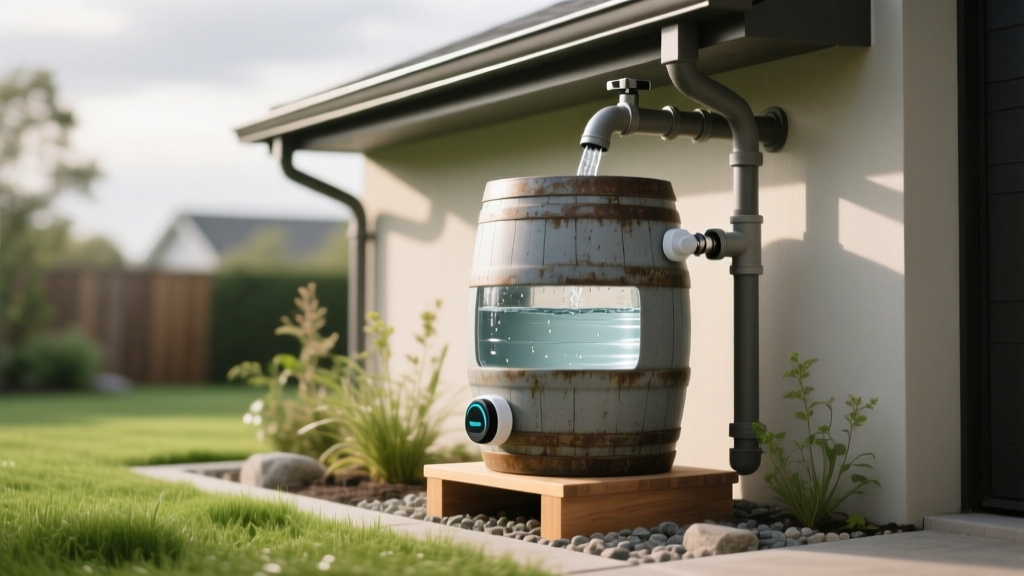
Eco-Friendly Rainwater Harvesting Systems for Sustainable Lawns
Sarah ChenPublished
The Hidden Environmental Cost of Traditional Lawn Irrigation
Maintaining a lush, vibrant lawn is a point of pride for many homeowners, but it often comes at a significant environmental and financial cost. According to the Environmental Protection Agency (EPA), outdoor water use accounts for nearly 30% of total household water consumption, with some arid regions seeing that number climb as high as 60%. Much of this treated, potable water is sprayed onto turfgrass, where a significant percentage is lost to evaporation and wind drift before it ever reaches the root zone.
Transitioning to an eco-friendly rainwater harvesting system bridges the gap between beautiful landscaping and sustainable living. By capturing, storing, and redistributing natural precipitation, homeowners can drastically reduce their reliance on municipal water grids, lower their monthly utility bills, and provide their lawns with chemical-free, naturally soft water that promotes deeper root growth and healthier soil microbiomes.
The Mathematics of Sustainable Catchment
Before investing in rain barrels or cisterns, it is crucial to understand your property's catchment potential. The Texas A&M AgriLife Extension provides a standard formula for calculating rainwater yield: Catchment Area (in square feet) multiplied by Rainfall (in inches) multiplied by 0.623 equals the total gallons of harvestable water.
For example, a modest 1,000-square-foot roof section can capture approximately 623 gallons of water from just one inch of rain. If your region receives 30 inches of annual rainfall, that single 1,000-square-foot catchment area could theoretically yield over 18,000 gallons of free, sustainable irrigation water per year. Understanding these metrics allows you to size your storage system appropriately, ensuring you capture maximum runoff during heavy spring storms to sustain your lawn through dry summer spells.
Comparing Eco-Friendly Rain Barrel Materials
Not all rain barrels are created equal. When selecting a storage vessel, eco-conscious gardeners must consider the lifecycle, manufacturing footprint, and durability of the materials. Below is a comparison chart of the most common sustainable rain barrel options available on the market today.
| Material Type | Average Cost (50-Gal) | Estimated Lifespan | Eco-Impact & Notes |
|---|---|---|---|
| Recycled HDPE Plastic | $80 - $130 | 10 - 15 Years | High. Diverts plastic from landfills. UV-resistant but can become brittle over time. |
| Upcycled Oak Wine Barrels | $150 - $250 | 5 - 8 Years | Medium. Repurposes natural wood. Requires annual sealing to prevent rot and algae. |
| Galvanized Steel | $180 - $300 | 20+ Years | Low-Medium. Highly durable and fully recyclable at end-of-life. Prone to rust if scratched. |
| Food-Grade IBC Totes (275-Gal) | $100 - $150 | 10+ Years | High. Reuses industrial shipping containers. Requires a sturdy, reinforced base due to weight. |
For most residential lawns, Recycled HDPE Plastic barrels (such as the RTS Home Accents 50-Gallon Rain Barrel) offer the best balance of affordability, sustainability, and low maintenance. For larger properties requiring massive storage, repurposing IBC Totes is the most cost-effective and eco-friendly method to store hundreds of gallons at once.
Step-by-Step Installation for Gravity-Fed Drip Irrigation
To maximize water efficiency, harvested rainwater should be paired with a drip irrigation system rather than a traditional sprinkler. Drip lines deliver water directly to the soil surface, reducing evaporation by up to 50%. Because drip systems require consistent water pressure, proper installation and elevation of your rain barrel are critical.
Tools and Materials Required
- 50-Gallon Recycled HDPE Rain Barrel with brass spigot
- Downspout diverter kit (e.g., Oatey Mystic Rainwater Collection System)
- Concrete cinder blocks (for elevation)
- 1/2-inch polyethylene drip tubing and emitter stakes
- Hacksaw, drill with 1-inch hole saw, and Teflon tape
- Level and measuring tape
Installation Steps
Step 1: Site Preparation and Elevation. Water weighs approximately 8.3 pounds per gallon. A full 50-gallon barrel weighs over 400 pounds. Choose a flat, stable area near your downspout. Lay down a 2-inch base of crushed gravel for drainage, then stack two layers of concrete cinder blocks to elevate the barrel. This 16-to-18-inch elevation creates roughly 0.7 PSI of gravity-fed pressure—enough to run a basic drip line for a small garden bed or turf perimeter.
Step 2: Downspout Modification. Measure and mark your aluminum downspout at the height of the barrel's top opening. Use a hacksaw to remove a 4-inch section of the downspout. Install the diverter kit according to the manufacturer's instructions, ensuring the flexible hose slopes slightly downward into the barrel's inlet. The diverter's built-in overflow mechanism will automatically route excess water back down the main downspout once the barrel is full, protecting your home's foundation.
Step 3: Connecting the Drip Line. Wrap the barrel's brass spigot threads in Teflon tape and screw it tightly into the pre-drilled hole. Attach a standard garden hose to the spigot, and run it to your lawn or garden beds. Connect a drip tubing adapter to the end of the hose, and lay your 1/2-inch polyethylene tubing across the soil, securing it with landscape staples. Punch in 1-GPH (gallon per hour) drip emitters every 12 inches along the turf edge or plant root zones.
Smart Home Integration: Automating Your Harvested Water
While gravity-fed systems are excellent for small beds, larger lawns require higher water pressure to operate oscillating sprinklers or extensive drip networks. This is where smart home integration and solar technology elevate sustainable landscaping.
By installing a solar-powered water transfer pump (such as the AquaMaxx 12V Solar Pump Kit) inside your rain barrel or IBC tote, you can generate up to 40 PSI of pressure without drawing a single watt from your home's electrical grid. Pair this solar pump with a smart hose faucet timer, like the B-hyve Smart Hose Faucet Timer. This device connects to your home Wi-Fi and utilizes local weather data to automatically adjust watering schedules. If a rainstorm is forecasted, the smart timer will skip the irrigation cycle, ensuring you never waste harvested water or over-saturate your soil.
Complementary Eco-Landscaping: Rain Gardens and Permeable Hardscaping
A truly sustainable outdoor living space looks beyond simple storage. The American Rainwater Catchment Systems Association (ARCSA) advocates for a holistic approach to water management, which includes managing the overflow and runoff that your barrels cannot capture.
Consider directing your barrel's overflow hose into a rain garden. A rain garden is a shallow, landscaped depression planted with deep-rooted native species (such as Coneflowers, Black-Eyed Susans, and Switchgrass) that are adapted to both wet and dry conditions. These gardens act as natural bio-filters, absorbing excess runoff and filtering out lawn fertilizers and pollutants before they can leach into the local water table.
Additionally, if you are planning a patio or walkway, opt for permeable pavers or crushed gravel instead of solid concrete. Permeable hardscaping allows rainwater to percolate back into the soil, recharging your local aquifer and reducing the strain on municipal storm drains.
Eco-Safe Maintenance and Winterization
To keep your rainwater harvesting system functioning efficiently and safely, seasonal maintenance is required. Stagnant water is a prime breeding ground for mosquitoes, but you must avoid using harsh chemical larvicides that could harm your lawn's soil biology or local pollinators.
Instead, use BTI (Bacillus thuringiensis israelensis), commonly sold as 'Mosquito Dunks.' BTI is a naturally occurring bacterium that specifically targets mosquito and black fly larvae. It is 100% safe for pets, wildlife, earthworms, and your turfgrass. Simply drop a quarter of a dunk into your rain barrel every 30 days during the warm season.
Winterization Protocol: If you live in a climate where temperatures drop below freezing, you must winterize your system to prevent the water from expanding and cracking your barrel. In late autumn, completely drain the barrel, detach the downspout diverter hose, and reattach the original downspout section. Leave the barrel's spigot in the open position and store the barrel upside down or in a garage to prevent snow accumulation and UV degradation during the winter months.
Conclusion
Implementing an eco-friendly rainwater harvesting system is one of the most impactful upgrades a homeowner can make to their outdoor living space. By combining sustainable catchment mathematics, recycled storage materials, gravity-fed drip irrigation, and smart-home solar integration, you can cultivate a thriving, resilient lawn that respects the local ecosystem. Not only will you insulate yourself against municipal water restrictions and rising utility costs, but you will also take a vital step toward closing the water loop in your own backyard.
