Home & Garden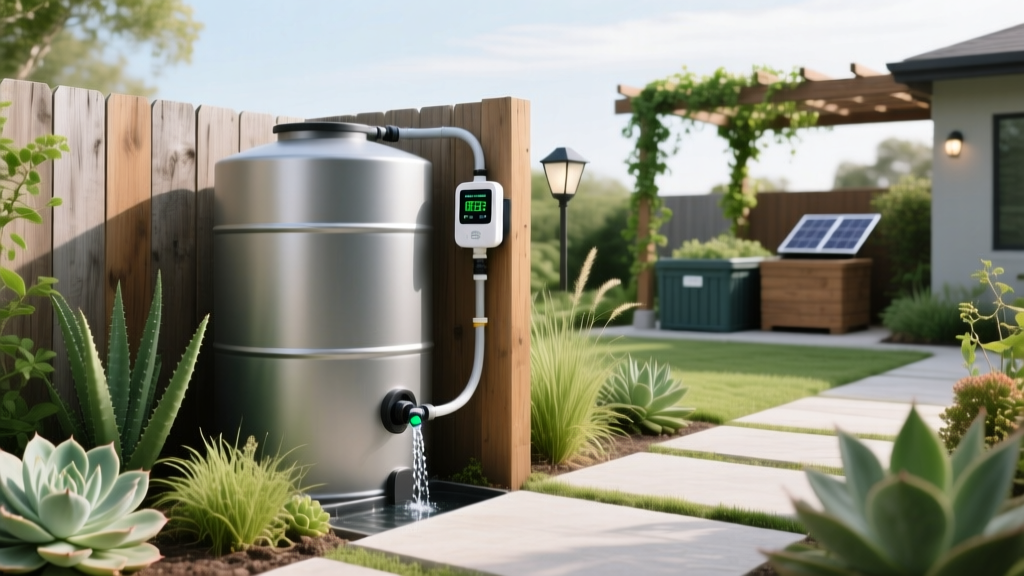
Eco-Friendly Rainwater Harvesting & Smart Irrigation
Lisa ThompsonPublished
The Hidden Water Footprint of Traditional Landscaping
As environmental consciousness grows, homeowners are increasingly seeking sustainable ways to maintain their outdoor spaces without depleting local resources. Traditional lawn care and landscaping practices are notoriously resource-intensive. According to the Environmental Protection Agency (EPA), outdoor water use accounts for nearly 30% of total household water consumption. In arid and drought-prone regions, this figure can skyrocket to as much as 60%. Much of this water is lost to evaporation, wind, and runoff due to inefficient irrigation schedules that fail to account for real-time weather conditions.
Bridging the gap between eco-friendly landscaping and modern smart home technology offers a powerful solution. By combining rainwater harvesting systems with Wi-Fi-enabled smart irrigation controllers, you can create a closed-loop, sustainable watering system that drastically reduces your municipal water reliance, lowers your utility bills, and promotes a healthier, more resilient root system for your plants.
Sizing and Selecting Your Rainwater Catchment System
The foundation of any eco-friendly irrigation setup is the catchment system. While small 50-gallon rain barrels are great for watering a few potted plants by hand, they are entirely insufficient for powering an automated sprinkler or drip irrigation system. To sustain a landscape, you need to scale up to larger cisterns or a daisy-chained series of large-capacity barrels.
The Catchment Math
To determine the size of the storage tank you need, you must calculate your roof's catchment potential. The standard formula is: Catchment Area (sq. ft.) × Rainfall (inches) × 0.623 = Gallons of Water. For example, a 1,000-square-foot roof section receiving just one inch of rain will yield approximately 623 gallons of water. If your region receives 30 inches of annual rainfall, that same 1,000-square-foot section could theoretically harvest over 18,000 gallons a year. The Alliance for Water Efficiency recommends sizing your storage to hold at least two to three weeks' worth of irrigation demand to buffer against dry spells.
First-Flush Diverters and Roof Safety
When harvesting rainwater for irrigation, water quality matters. The first few gallons of runoff from a roof typically contain dust, bird droppings, and pollen. Installing a first-flush diverter ensures this initial, dirty water is routed away from your main cistern, keeping your stored water cleaner and reducing the risk of clogging your irrigation valves later on. Additionally, ensure your roofing material is safe for catchment; avoid treated wood shakes or lead-based paints, and opt for metal, slate, or untreated composite shingles.
Upgrading to Smart Weather-Based Irrigation
Storing rainwater is only half the battle; applying it efficiently is where smart home integration shines. Traditional timer-based controllers operate on a rigid schedule, watering your lawn even if it rained an hour ago. Smart irrigation controllers, however, act as the brain of your eco-friendly landscape.
Evapotranspiration (ET) and Soil Moisture Data
Weather-based smart controllers use local meteorological data to calculate Evapotranspiration (ET)—the sum of evaporation from the land surface and transpiration from plants. By adjusting watering duration and frequency based on real-time temperature, humidity, solar radiation, and wind, these devices prevent overwatering. The EPA WaterSense Weather-Based Irrigation Controllers program certifies models that have been independently tested to save an average of 8,800 gallons of water annually per household.
For maximum efficiency, pair your smart controller with wireless soil moisture sensors placed in various hydrozones around your yard. These sensors override the weather data if the soil already retains adequate moisture, ensuring that your precious harvested rainwater is only deployed when the plants truly need it.
Bridging the Gap: Pumps, Pressure, and Filtration
The most common hurdle homeowners face when connecting a rainwater cistern to an automated sprinkler system is water pressure. Municipal water lines typically deliver water at 50 to 70 PSI (pounds per square inch). A standard rain barrel relying on gravity produces less than 2 PSI, which is not enough to trigger smart irrigation valves or properly atomize sprinkler heads.
Essential Components for Integration
To solve this, you must integrate a booster pump and a pressure tank into your system. Here are the specific components required for a seamless, eco-friendly setup:
- Shallow Well Jet Pump or Booster Pump: A 1/2 HP to 3/4 HP pump is generally sufficient for residential landscapes up to 15,000 square feet. Look for energy-efficient models with variable speed drives to minimize electricity usage.
- Pressure Bladder Tank: A 20-gallon to 30-gallon pressure tank works in tandem with the pump to maintain a steady 40-60 PSI output. This prevents the pump from short-cycling (turning on and off rapidly), which extends the life of the pump and ensures consistent water pressure for your smart valves.
- Inline Sediment Filtration: Rainwater can carry fine particulates. Install a 120-mesh inline sediment filter between the pump and the irrigation valves to prevent debris from fouling the delicate diaphragms inside your smart sprinkler zones.
- Backflow Preventer: If your system is a hybrid that can switch between municipal water and rainwater, a dual-check valve backflow preventer is legally required in most municipalities to ensure harvested water never siphons back into the public drinking supply.
Cost vs. Benefit Analysis
Transitioning to a rainwater-fed smart irrigation system requires an upfront investment. However, the long-term environmental and financial returns are substantial. Below is a comparison of a traditional setup versus an integrated eco-friendly system.
| Feature | Traditional Timer & Municipal Water | Smart Controller & Rainwater Harvesting |
|---|---|---|
| Water Source | Treated municipal drinking water | Free, untreated rainwater |
| Irrigation Logic | Rigid, time-based schedule | Dynamic, ET and soil-moisture based |
| Average Annual Water Cost | $400 - $800+ (varies by region) | $0 - $50 (electricity for pump) |
| Environmental Impact | High (depletes aquifers, runoff pollution) | Low (reduces stormwater runoff, conserves aquifers) |
| Initial Setup Cost | $150 - $300 | $1,500 - $3,500 (cistern, pump, smart controller) |
| Estimated ROI Period | N/A | 3 to 7 years (depending on local water rates) |
While the initial setup cost for the eco-friendly system is higher, many local municipalities and water districts offer substantial rebates for installing both WaterSense-labeled smart controllers and large-capacity rain cisterns, which can significantly offset the upfront expenses.
Eco-Friendly Maintenance and Winterization
To keep your sustainable system running at peak efficiency, seasonal maintenance is required. During the spring and summer, inspect your gutter screens and first-flush diverters to ensure they are free of leaves and debris. To prevent mosquitoes from breeding in your cistern, use Bacillus thuringiensis israelensis (Bti) dunks. Bti is a naturally occurring, eco-friendly bacterium that targets mosquito and black fly larvae without harming plants, pets, birds, or beneficial insects.
As winter approaches, proper winterization is critical. If you live in a climate where temperatures drop below freezing, you must completely drain your cistern, pressure tank, and pump housing to prevent catastrophic cracking from ice expansion. Disconnect the smart controller, drain the inline filters, and blow out your irrigation lines with compressed air. This proactive maintenance ensures your system will be ready to capture the vital spring rains the moment the thaw begins.
Conclusion
Integrating rainwater harvesting with smart home irrigation technology represents the pinnacle of modern, eco-friendly landscaping. By treating rainwater as the valuable resource it is, and applying it with precision through intelligent, weather-responsive controllers, homeowners can cultivate vibrant, thriving landscapes that work in harmony with the local ecosystem. Not only does this approach insulate you from rising municipal water costs and drought restrictions, but it also plays a vital role in conserving our shared freshwater resources for future generations.
