Home & Garden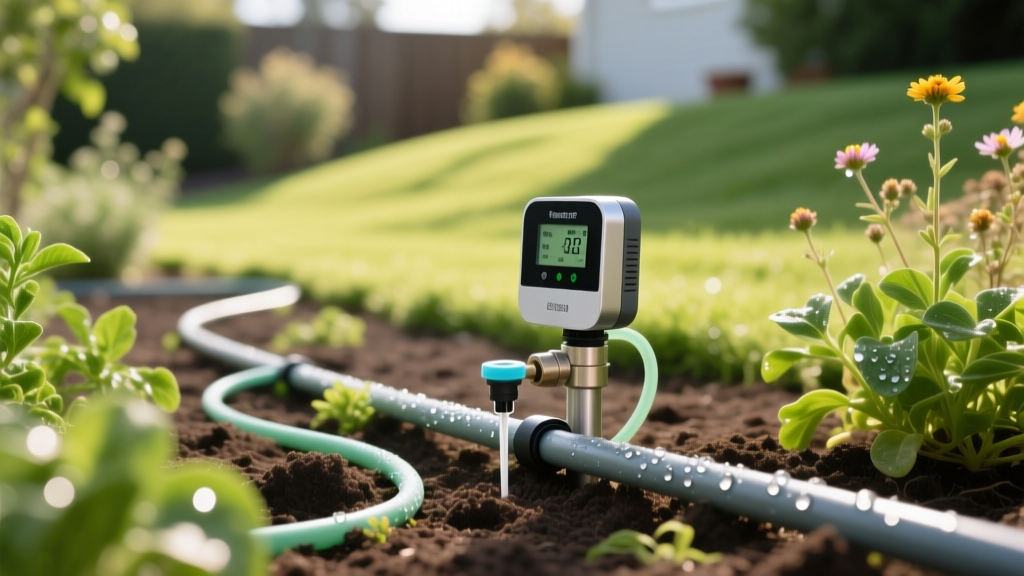
Eco-Friendly Smart Drip Irrigation Upgrades for Home Lawns
Sarah ChenPublished
Transforming Your Landscape with Eco-Friendly Smart Irrigation
As environmental consciousness grows and water scarcity becomes a pressing global issue, homeowners are actively seeking sustainable methods to maintain their outdoor spaces. Bridging the gap between lush, vibrant landscaping and ecological responsibility is no longer a compromise; it is a necessity. Traditional overhead sprinkler systems, while common, are notoriously inefficient. They lose vast amounts of water to wind drift, evaporation, and surface runoff, often watering sidewalks and driveways instead of the root zones of your plants.
By retrofitting your garden and lawn with an eco-friendly smart drip irrigation system, you can dramatically reduce your water footprint. This guide explores the science, components, and step-by-step implementation of upgrading to a weather-based smart drip system, ensuring your garden thrives while conserving our most precious resource.
The Hidden Cost of Traditional Sprinklers
Before diving into the solution, it is crucial to understand the inefficiencies of legacy irrigation systems. According to the EPA WaterSense program, residential outdoor water use accounts for nearly one-third of all household water consumption, amounting to nearly 9 billion gallons per day across the United States. In arid and semi-arid regions, this figure can surge to 60% or more during the peak summer months.
According to the EPA, an average American family uses 320 gallons of water per day, with about 30% dedicated to outdoor uses. Upgrading to water-efficient irrigation can reduce outdoor water use by 20% to 50%.
Traditional spray heads operate at high pressures (typically 40 to 60 PSI) and broadcast water through the air. This method is highly susceptible to evaporation, especially when watering occurs during the heat of the day. Furthermore, overhead watering promotes fungal diseases on plant foliage and encourages weed germination in unplanted areas. Transitioning to a low-volume, low-pressure drip system targets the water exactly where the plant needs it: the root zone.
Core Components of a Sustainable Smart System
An eco-friendly smart irrigation setup relies on a synergy between advanced software and precision hardware. To build a truly sustainable system, you will need to integrate the following components:
1. Weather-Based Smart Controllers
The brain of your eco-friendly system is a Weather-Based Irrigation Controller (WBIC), often referred to as an Evapotranspiration (ET) controller. Devices like the Rachio 3 or Orbit B-hyve Smart Controller connect to your home Wi-Fi and pull real-time local weather data. Instead of watering on a rigid, arbitrary schedule, these controllers calculate the exact moisture loss from your soil and plants based on temperature, humidity, solar radiation, and wind. If rain is in the forecast, or if the soil is already saturated, the system automatically skips the cycle, eliminating redundant watering.
2. Pressure Regulators and Filters
Drip irrigation systems require low water pressure to function correctly—typically between 15 and 25 PSI. Connecting a drip system directly to a standard home spigot (which often runs at 60 PSI) will blow out the emitters and rupture the tubing. Installing a 25 PSI pressure regulator at the manifold or hose bib is mandatory. Additionally, a 200-mesh screen filter is required to prevent microscopic debris from clogging the tiny water pathways in your drip emitters.
3. Poly Tubing and Precision Emitters
The physical delivery network consists of 1/2-inch blank polyethylene tubing acting as the mainline, snaking through your garden beds. From this mainline, 1/4-inch micro-tubing branches off to individual plants. For dense ground covers or vegetable gardens, inline drip tubing with built-in 2 GPH (Gallons Per Hour) emitters spaced every 12 inches is ideal. For shrubs and trees, individual adjustable emitters or micro-sprayers provide customized hydration.
4. Soil Moisture Sensors
While smart controllers use atmospheric data, soil moisture sensors provide ground-truth verification. By burying a sensor probe at a 6-inch depth in a representative zone, the system can override the weather-based schedule if the soil already holds adequate moisture, providing a secondary layer of water conservation.
Step-by-Step Guide to Retrofitting Your Garden
Upgrading your landscape to a smart drip system is a highly rewarding DIY project. Here is how to execute the retrofit, ideally timed for early spring before peak evapotranspiration rates begin.
Step 1: Hydro-Zone Mapping
Group your plants by their water needs—a practice known as hydrozoning. Separate drought-tolerant native plants, water-heavy vegetable beds, and deep-rooted trees into distinct irrigation valves. This ensures you are not overwatering your succulents just to keep your tomatoes alive.
Step 2: Install the Smart Controller and Manifold
Mount your smart controller near a power source with strong Wi-Fi coverage. At your outdoor valve manifold, install a backflow preventer, a master valve, and zone-specific valves. If you are converting a traditional sprinkler zone to drip, cap the old spray heads and install a 25 PSI pressure regulator and 200-mesh filter at the zone valve.
Step 3: Lay the Drip Network
Unroll your 1/2-inch poly tubing and let it sit in the sun for an hour; the heat makes the plastic pliable and easier to work with. Lay the tubing along the base of your plant rows. Use 1/4-inch barbed connectors to run micro-tubing to individual plants. For vegetable gardens, lay inline drip tubing in parallel rows spaced 12 to 18 inches apart, depending on your soil type (closer spacing for sandy soils that drain quickly, wider for clay soils that wick water laterally).
Step 4: Configure the Smart App
Connect the controller to your smartphone app. Input your specific landscape data: soil type (e.g., loam, clay, sand), plant type, and root depth. The app will automatically generate a highly efficient baseline schedule. Set your watering window for the early morning hours (between 4:00 AM and 6:00 AM) to further minimize evaporative loss and allow foliage to dry before nightfall, reducing disease risk.
System Comparison and ROI Analysis
Investing in eco-friendly landscaping technology yields significant returns, both environmentally and financially. The U.S. Department of Energy notes that water-efficient landscaping not only conserves water but also reduces the energy required to pump and treat municipal water supplies.
| Feature | Traditional Overhead Sprinklers | Smart Drip Irrigation System |
|---|---|---|
| Water Application Efficiency | 50% - 70% | 90% - 95% |
| Evaporation & Wind Loss | High (Up to 30% loss) | Negligible (Water applied to soil) |
| Weed Germination | High (Waters empty spaces) | Low (Targets specific root zones) |
| Operating Pressure | 40 - 60 PSI | 15 - 25 PSI |
| Average DIY Retrofit Cost | N/A (Existing) | $250 - $450 per zone |
| Estimated Annual Water Savings | Baseline | 30% - 50% reduction |
Cost Breakdown & ROI: A typical smart controller costs between $150 and $250. A comprehensive drip retrofit kit (tubing, emitters, regulator, filter) for a 500-square-foot garden bed costs around $100 to $150. Adding a wireless soil moisture sensor adds about $50. With an average municipal water cost of $3.50 per 1,000 gallons, a household saving 15,000 gallons annually will recoup the $400 investment in roughly two to three irrigation seasons, while permanently lowering their utility bills thereafter.
Seasonal Maintenance for Longevity
To maintain peak eco-efficiency, your smart drip system requires minimal but specific maintenance. The Alliance for Water Efficiency emphasizes that regular system audits are key to preventing silent water waste from leaks or clogs.
- Spring Flush: Before pressurizing the system for the season, open the end caps of your 1/2-inch mainlines and let the water run for two minutes to flush out any sediment or algae that accumulated over winter.
- Emitter Audits: Once a month, walk your garden while the system is running. Look for geysers (indicating a blown emitter) or dry spots (indicating a clog). Keep a small bag of replacement 2 GPH emitters and barbed connectors on hand for instant repairs.
- Filter Cleaning: Every three months, unscrew the 200-mesh screen filter and rinse it with a hose. A clogged filter will drop the water pressure below the threshold required for the emitters to self-clean, leading to system-wide blockages.
- Winterization: In freezing climates, it is vital to blow out the drip lines with compressed air (keeping PSI under 20 to avoid damaging the tubing) or manually drain the system using the end caps and manual bleed valves to prevent ice expansion from shattering your fittings.
Conclusion: Cultivating a Sustainable Future
Transitioning to an eco-friendly smart drip irrigation system is one of the most impactful upgrades a homeowner can make. It perfectly bridges the gap between smart home technology and sustainable outdoor living. By delivering precise hydration directly to the root zone and leveraging real-time meteorological data, you eliminate the guesswork and waste associated with traditional watering methods. Not only will your garden-to-table vegetables and ornamental landscape flourish with reduced disease and optimal moisture, but you will also take a definitive stand in conserving local water resources. Embrace the technology, retrofit your landscape, and watch your garden thrive in harmony with the environment.
