Home & Garden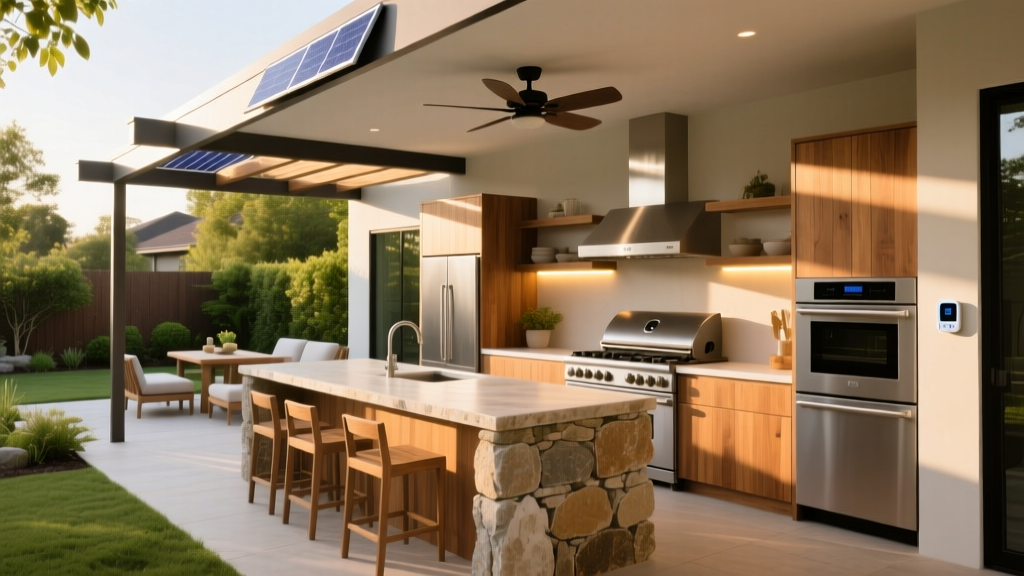
Designing an Energy-Efficient Outdoor Kitchen and Living Space
Emily WatsonPublished
Bridging the gap between indoor comfort and outdoor beauty is the ultimate goal of modern landscape design. Today, the backyard is no longer just a patch of grass; it is an extension of the home's living space. Designing an energy-efficient outdoor kitchen and living area requires a delicate balance of aesthetic vision, functional workflow, and sustainable planning. By integrating passive solar principles, smart home technology, and high-performance materials, you can create a garden-to-table entertainment hub that minimizes environmental impact while maximizing year-round enjoyment.
Strategic Zoning for Workflow and Comfort
A successful outdoor kitchen mimics the ergonomic efficiency of an indoor culinary space. When planning your layout, divide the area into distinct functional zones to ensure safety, efficiency, and comfort for both the cook and the guests.
- The Hot Zone: This area houses your primary cooking appliances, such as gas grills, kamado smokers, and wood-fired pizza ovens. Position this zone away from prevailing winds to prevent smoke from blowing into the seating area. Ensure a minimum of 18 inches of heat-resistant countertop space on either side of the grill for plating.
- The Cold Zone: Dedicated to food storage and preparation, this zone includes outdoor-rated refrigerators and ice makers. Place this area in the shade to reduce the appliance's energy consumption and prevent the compressor from overworking in direct summer sunlight.
- The Wet Zone: Featuring the sink, water filtration system, and waste disposal. This zone should be situated near the home's existing plumbing lines to reduce trenching costs and minimize the risk of underground water leaks.
- The Living Zone: The dining and lounge area. This space should flow naturally from the cooking zones but remain physically separated by a walkway to keep guests safe from heat and splatter.
Standard Measurements for Outdoor Ergonomics
Adhering to standard architectural measurements ensures your space is accessible and comfortable. Standard prep counters should be 36 inches high, while bar-style seating areas should be elevated to 42 inches. Aisles between parallel counters must be at least 48 inches wide to allow multiple people to move freely, and up to 54 inches if you anticipate multiple cooks working simultaneously.
Passive Solar Design and Microclimate Planning
One of the most effective ways to design an energy-efficient outdoor living space is to harness passive solar landscaping. By carefully considering the sun's trajectory and prevailing wind patterns, you can naturally regulate the temperature of your patio without relying on energy-hungry outdoor fans or misting systems.
Orient your primary seating and dining areas to face south or southeast. This captures the gentle morning sun while allowing you to utilize the shadows cast by your home or pergola during the harsh late afternoon. To manage solar heat gain, install a louvered pergola or plant deciduous trees on the southern and western exposures of your patio. During the summer, the dense canopy provides cooling shade, reducing the ambient temperature of your hardscaping by up to 15 degrees. In the winter, the fallen leaves allow the low-angled sun to penetrate and warm the stone or concrete flooring.
According to the U.S. Department of Energy (DOE), carefully positioned trees and passive solar landscaping can save up to 25% of a household's energy consumption for heating and cooling by reducing the thermal load on adjacent indoor spaces and creating naturally tempered outdoor microclimates.
Additionally, incorporate evergreen windbreaks, such as dense arborvitae hedges or slatted cedar privacy screens, on the northern and northwestern boundaries of your property. This blocks harsh winter winds, allowing you to use your outdoor fire features more efficiently and extending the usable season of your outdoor living room well into late autumn.
Selecting Energy-Efficient Appliances and Materials
The materials and appliances you choose dictate both the longevity and the energy footprint of your outdoor kitchen. Opting for high thermal mass materials and energy-efficient appliances reduces waste and lowers long-term operational costs.
Material and Appliance Comparison Chart
| Item / Material | Estimated Cost | Energy / Efficiency Profile | Best Application |
|---|---|---|---|
| Dekton Sintered Stone | $80 - $130 / sq ft | High thermal mass; retains heat/cold efficiently | Countertops near pizza ovens and grills |
| Ceramic Kamado Grill | $1,200 - $2,500 | Uses 50% less charcoal than steel kettle grills | Low-and-slow smoking and high-heat searing |
| Energy Star Outdoor Fridge | $1,500 - $3,000 | Triple-pane glass, heavy insulation, low kWh draw | Beverage and perishable storage in shaded zones |
| Permeable Pavers | $10 - $20 / sq ft | Reduces runoff; cools surface via evaporation | Patio flooring and surrounding walkways |
When selecting countertops, avoid porous stones like marble, which require chemical sealants and degrade under UV exposure. Instead, invest in ultra-compact surfaces like Dekton or high-density granite. These materials withstand extreme temperature fluctuations from freezing winters to the radiant heat of a nearby pizza oven without cracking or fading.
Smart Home Integration: Lighting and Irrigation
A truly modern outdoor living space bridges the gap between the garden and the smart home. Integrating automated lighting and intelligent irrigation not only enhances the ambiance but also significantly conserves water and electricity.
Smart Lighting Design
Abandon traditional halogen floodlights in favor of smart LED landscape lighting systems. Products like the Philips Hue Calla Bollard or Lutron Caseta-compatible outdoor fixtures allow you to program lighting scenes based on the time of day or solar elevation. Set your pathway lights to illuminate at 20% brightness during the evening for safe navigation, and automatically dim them to 5% after midnight to reduce light pollution, which is known to disrupt local wildlife and pollinator populations. Furthermore, utilize motion-sensor LED strip lighting under counter overhangs and stair treads to provide task lighting only when someone is actively using the space.
Smart Irrigation and Runoff Management
The hardscaping required for an outdoor kitchen alters the natural drainage of your yard. To protect your investment and maintain the surrounding garden-to-table vegetable beds, integrate a smart irrigation controller like the Rachio 3 Smart Sprinkler Controller. By connecting the Rachio to local weather stations, the system automatically skips watering cycles before impending rain, saving up to 50% on outdoor water usage. Pair this with a French drain system hidden beneath permeable pavers to capture patio runoff and redirect it to your rain garden or raised vegetable beds, ensuring your culinary herbs and tomatoes receive consistent, passive hydration.
Budgeting, Permits, and Project Timeline
Planning an outdoor kitchen is a significant capital improvement. A fully equipped, energy-efficient outdoor living space typically ranges from $25,000 to $75,000, depending on utility trenching, material choices, and appliance tiers. Breaking the project into phases can help manage cash flow and ensure proper curing times for concrete and masonry.
- Phase 1: Design and Permitting (Weeks 1-6): Consult with a landscape architect to finalize blueprints. Secure necessary permits for gas lines, electrical trenching, and permanent structures. Budget $1,500 to $3,500 for professional design and permit fees.
- Phase 2: Hardscaping and Utilities (Weeks 7-12): Excavation, pouring concrete footings, laying permeable pavers, and running underground gas and electrical lines. This is the most labor-intensive phase and typically consumes 40% of your total budget.
- Phase 3: Masonry and Countertops (Weeks 13-16): Framing the kitchen islands with weather-resistant materials like concrete backer board and steel studs, followed by the installation of stone veneer and sintered stone countertops.
- Phase 4: Appliance Installation and Smart Tech (Weeks 17-18): Sliding in the Energy Star appliances, connecting the gas grill, and programming the smart lighting and irrigation hubs. Finish with seasonal planting of your windbreaks and shade trees.
Conclusion
Designing an energy-efficient outdoor kitchen and living space is a masterclass in blending form, function, and environmental stewardship. By strategically zoning your workspace, leveraging passive solar landscaping, and integrating smart home technology, you create a resilient outdoor sanctuary. Whether you are searing garden-fresh vegetables on a fuel-efficient kamado grill or enjoying a quiet evening under automated, low-impact LED lighting, your thoughtfully planned space will serve as the heart of your home for decades to come.
