Gardening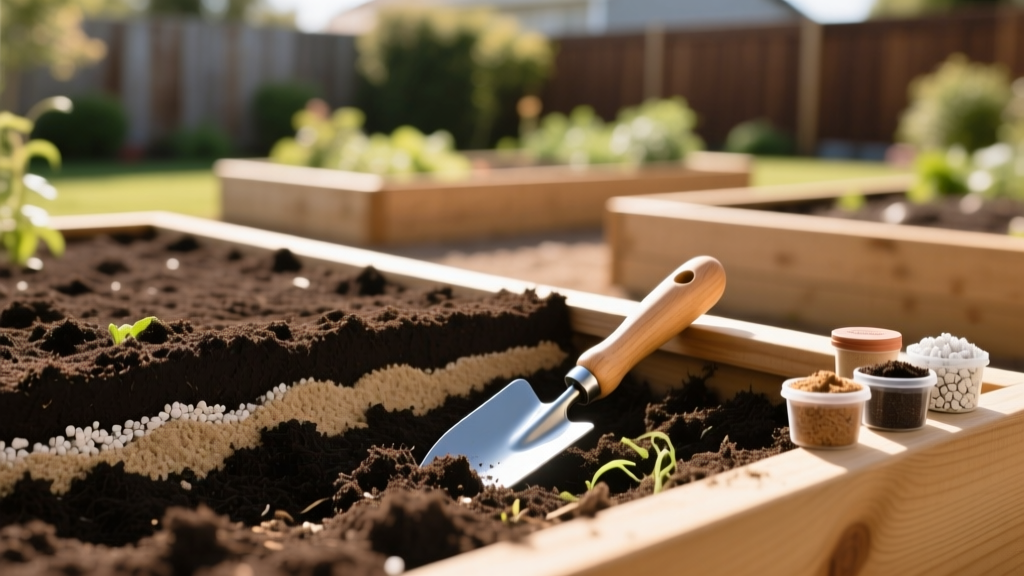
Expert Raised Bed Soil Guide: Best Mixes and Layering Tips
Sarah ChenPublished
The Foundation of High-Yield Raised Beds
Building a raised bed is only half the battle; the true secret to a bountiful harvest lies beneath the surface. Raised bed gardening offers superior drainage, earlier spring planting, and reduced weed pressure. However, because these beds are essentially large containers, they require a specialized soil structure that differs vastly from traditional in-ground gardening. In this comprehensive guide, we will explore expert tips and best practices for formulating, layering, and maintaining the perfect raised bed soil mix to ensure vigorous root development and maximum nutrient uptake.
Why Native Topsoil Fails in Raised Beds
Many beginner gardeners make the costly mistake of filling their raised beds with native topsoil dug from their yard or cheap bulk topsoil delivered from a local landscape supply. While native soil works fine in the ground where earthworms and deep taproots can break it up, it behaves entirely differently in a confined raised bed. Native topsoil lacks the necessary structural integrity for container environments. When confined within wooden or metal walls, native soil quickly compacts under the weight of watering and foot traffic. This compaction eliminates vital pore spaces, leading to anaerobic conditions, poor drainage, and stunted root growth. To achieve the loose, friable texture required for high-yield vegetable production, you must engineer a custom soilless or heavily amended mix.
The Expert Soil Mix Formula: The 3-Part Ratio
To achieve the perfect balance of moisture retention, drainage, and nutrition, horticultural experts generally recommend a three-part ratio. While Mel Bartholomew famously popularized a specific square-foot gardening mix, modern sustainable practices have updated the formula to protect fragile peat bog ecosystems.
- One-Third Compost (Nutrition & Biology): Use a diverse blend of composts. A mix of mushroom compost, vermicompost (worm castings), and composted manure provides a broad spectrum of micronutrients and beneficial soil microbes.
- One-Third Aeration (Drainage & Structure): Coarse horticultural pumice, perlite, or rice hulls prevent compaction and ensure oxygen reaches the root zone.
- One-Third Moisture Retention (Water Holding): Coconut coir is the modern, sustainable alternative to peat moss. It holds up to eight times its weight in water while maintaining a neutral pH, unlike acidic peat moss which requires lime amendments.
Soil Component Breakdown, Purpose, and Estimated Costs
| Component | Primary Purpose | Estimated Cost (Per Cubic Foot) | Expert Recommendation |
|---|---|---|---|
| Coconut Coir | Moisture retention and aeration | $1.50 - $2.50 | Expandable bricks to save on shipping and storage |
| Coarse Pumice | Permanent drainage structure | $2.00 - $3.50 | 1/4 inch size; avoid fine dust which clogs pores |
| Worm Castings | Microbial inoculation and nutrients | $3.00 - $5.00 | Limit to 15% of total compost volume to avoid salt buildup |
| Composted Bark Fines | Bulking and slow-release carbon | $0.50 - $1.00 | Ensure it is fully composted to prevent nitrogen tie-up |
| Kelp Meal | Trace minerals and growth hormones | $4.00 - $6.00 | Apply 1 cup per 10 square feet during spring mixing |
Step-by-Step Layering Technique: The Core Fill Method
Filling an 18-inch deep raised bed entirely with premium soil mix can be prohibitively expensive, often costing upwards of $150 to $200 per bed. Expert gardeners utilize the Core Fill Method (a modern adaptation of Hugelkultur) to save money while improving long-term soil health. Because most vegetable roots only occupy the top 8 to 12 inches of soil, the bottom of deep beds can be filled with organic bulk materials that slowly decompose, feeding the soil from the bottom up.
Base Layer: The Carbon Sponge (Bottom 6 Inches)
Start by laying down a 4 to 6-inch layer of coarse organic matter. Arborist wood chips, rotting logs, thick branches, and dried corn stalks are excellent choices. This layer acts as a massive sponge, holding deep water reserves that taproots can access during summer droughts. Avoid using wood from black walnut or cedar, as these contain natural herbicides (juglone and thujone) that can stunt or kill sensitive vegetables like tomatoes and peppers.
Transition Layer: The Nitrogen Bridge (Middle 4 Inches)
As the woody base layer decomposes, it will consume nitrogen from the surrounding soil. To prevent nitrogen deficiency in your plants, add a transition layer rich in nitrogen. Use grass clippings, green weeds (before they go to seed), or a heavy application of alfalfa meal. Cover this with a layer of cardboard or fallen autumn leaves to create a physical barrier that prevents your premium topsoil from washing down into the coarse base layer.
The Root Zone: Premium Mix (Top 8 to 12 Inches)
Fill the remaining top 8 to 12 inches with your engineered 3-part soil mix. This is the active root zone where the magic happens. By restricting your expensive compost, coir, and pumice to this top layer, you can cut your initial soil costs by up to 40 percent while creating a highly resilient, drought-tolerant growing environment.
Essential Amendments and pH Balancing
Even the best soil mix requires targeted amendments to support heavy-feeding crops like tomatoes, brassicas, and squash. According to the Oregon State University Extension Service, using 100 percent native soil in raised beds leads to severe compaction, but they also caution against blindly adding synthetic fertilizers without first understanding your soil chemistry. OSU recommends regular soil testing to monitor Phosphorus and Potassium levels, as excessive compost application over the years can lead to nutrient runoff and salt toxicity.
To build a robust baseline fertility without overloading the soil with salts, incorporate the following dry organic amendments into the top 6 inches of soil two weeks before planting:
- Espoma Garden-tone (3-4-4): A slow-release, all-purpose organic fertilizer containing beneficial mycorrhizal fungi. Apply at a rate of 1.5 pounds per 10 square feet.
- Azomite or Basalt Rock Dust: Provides over 70 trace minerals that are often missing from standard compost. Apply 1/2 cup per square foot to remineralize the soil and improve plant immune response.
- Neem Cake: Acts as a mild fertilizer while simultaneously suppressing soil-borne nematodes and fungal pathogens like fusarium wilt.
Calculating Soil Volume for Your Beds
Before purchasing materials, accurate math is essential to avoid over-ordering or making a second trip to the landscape supply yard. Use the standard cubic volume formula: Length (ft) x Width (ft) x Depth (ft) = Cubic Feet. For example, a standard 4x8 foot bed that is 12 inches (1 foot) deep requires exactly 32 cubic feet of total volume. If you are using the Core Fill Method and only need to fill the top 8 inches (0.66 feet), you will only need 21.3 cubic feet of premium mix. Since bulk compost and soil are often sold by the cubic yard (1 cubic yard = 27 cubic feet), divide your total cubic feet by 27 to determine how many yards to order from a local bulk supplier, which is significantly cheaper than buying bagged soil from a big-box store.
Annual Maintenance and Soil Recharging
Soil is a living ecosystem, not a static medium. Over the course of a growing season, organic matter breaks down, soil levels drop, and nutrients are depleted by harvesting. Expert gardeners never leave their raised beds bare at the end of the season. In late autumn, top-dress your beds with 1 to 2 inches of fresh compost and plant a winter cover crop such as crimson clover or winter rye. These cover crops scavenge leftover nitrogen, prevent winter erosion, and their deep roots fracture minor compaction. In early spring, simply chop the cover crop down at the soil line and let it decompose in place, returning a massive dose of organic matter back into the root zone before your summer transplants even touch the ground.
Mulching Strategies for Moisture Retention
Because raised beds drain exceptionally well, they are also prone to drying out faster than in-ground gardens during July and August heatwaves. Applying a 2-inch layer of organic mulch is non-negotiable for expert yields. Clean wheat straw or shredded leaf mold are the best choices for vegetable beds. Avoid dyed wood mulches or bark nuggets in the vegetable garden, as they can tie up surface nitrogen and harbor pests. Proper mulching reduces water evaporation by up to 70 percent, keeps soil temperatures stable, and suppresses opportunistic weeds, ensuring your carefully engineered soil mix remains productive for years to come.
