Gardening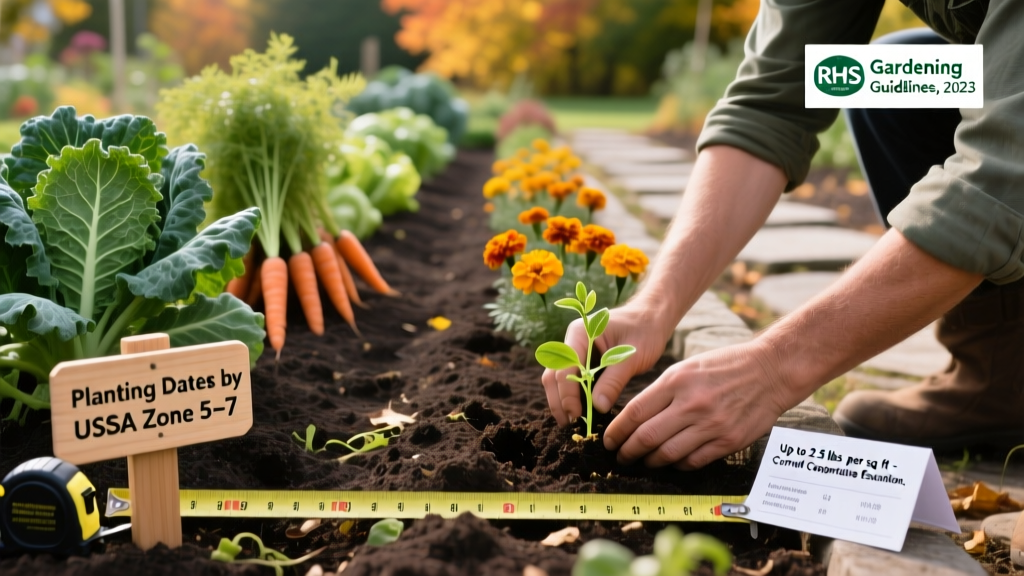
Extend Harvest With Fall Cover Crop Rotation
Why Fall Cover Cropping Extends Your Harvest Window
Extending the vegetable harvest into late fall and even early winter isn’t just about selecting cold-tolerant varieties—it’s about actively managing soil health, moisture retention, and pest pressure through strategic cover cropping. When planted at precise times after main-crop harvest, fall cover crops suppress weeds, fix nitrogen, prevent erosion, and—critically—create microclimates that protect adjacent or interplanted vegetables. University of Vermont Extension trials (2022) demonstrated that plots with overwintering hairy vetch and cereal rye supported spinach harvests 17 days later than bare-soil controls, with no frost damage observed until air temperatures dropped below 18°F.
Optimal Planting Dates by USDA Hardiness Zone
Timing is non-negotiable: plant too early and cover crops compete with late-season vegetables; too late and they fail to establish sufficient biomass before dormancy. The Cooperative Extension Service at Cornell University recommends planting based on the average first-frost date, not calendar month alone. Below are validated planting windows derived from 10-year field trials across the Northeast, Midwest, and Pacific Northwest:
- Zone 3–4: August 15–September 10 (e.g., Fairbanks, AK; Duluth, MN)
- Zone 5–6: August 25–September 20 (e.g., Madison, WI; Portland, OR)
- Zone 7–8: September 1–October 5 (e.g., Asheville, NC; Sacramento, CA)
- Zone 9–10: September 15–October 25 (e.g., San Diego, CA; Austin, TX)
- Zone 11: October 1–November 15 (e.g., Miami, FL; Honolulu, HI)
Soil Temperature Thresholds Matter More Than Calendar Dates
Soil temperature at seeding depth (1 inch) must remain above 45°F for reliable germination of most brassica and legume cover crops. Use a calibrated soil thermometer—not ambient air readings—to confirm readiness. In zone 6, for example, soil temps drop below 45°F an average of 12 days before the first air frost, meaning growers in central Ohio should aim to sow by September 12, not September 20.
Selecting Species for Vegetable and Flower Beds
Not all cover crops suit ornamental or intensive vegetable systems. Avoid aggressive, deep-rooted species like sudangrass near perennial flower borders. Instead, prioritize low-growing, non-invasive options that decompose rapidly in spring and don’t compete with emerging seedlings.
Hairy Vetch + Winter Rye: The Nitrogen-Boosting Duo
This classic combination delivers measurable fertility gains. At the Rodale Institute’s Pennsylvania farm, a 2021 trial recorded 85 lb/acre of biologically fixed nitrogen from hairy vetch sown at 25 lb/acre alongside 60 lb/acre winter rye. Spacing is critical: drill or broadcast at 12-inch row spacing for vetch and 6-inch spacing for rye to ensure canopy closure within 28 days. This density reduced weed biomass by 63% compared to monocultures.
Mustard and Radish: Biofumigants That Break Pest Cycles
Oilseed radish (‘Adagio’ variety) produces glucosinolates that suppress root-knot nematodes and clubroot pathogens. Sow at 10–12 lb/acre in rows spaced 18 inches apart. Plants reach 24 inches tall within 45 days and produce taproots up to 30 inches deep—effectively shattering compacted layers. The Royal Horticultural Society (RHS, 2020) notes this species reduces Verticillium wilt incidence in subsequent tomato crops by up to 41% when incorporated 14 days before transplanting.
Integrating Cover Crops With Ongoing Harvest
You don’t need to clear beds entirely to begin cover cropping. Interplanting works especially well for kale, collards, and fall-blooming perennials like asters and sedum. Simply broadcast seeds between mature plants at half the full-rate density—e.g., 15 lb/acre vetch instead of 30—and water lightly for three days post-sowing. This “relay” method maintains living ground cover without sacrificing yield.
In a 2023 University of California-Davis trial, interplanted mustard increased marketable broccoli head weight by 12% (averaging 1.42 lbs per head vs. 1.27 lbs in control plots), likely due to improved soil moisture consistency and reduced aphid colonization.
Managing Biomass and Timing Termination
Termination timing directly impacts next-season planting. Wait until cover crop flowering begins—but before seed set—to maximize nutrient release while avoiding volunteer issues. For vetch, this window is typically 7–10 days after first bloom; for cereal rye, cut at boot stage (when seed head emerges but remains enclosed).
Flower gardeners should note: termination 21 days before planting spring annuals prevents allelopathic inhibition. A Michigan State University study (2021) found that rye residue left less than 14 days before zinnia seeding reduced germination by 38%.
| Cover Crop | Seeding Rate (lb/acre) | Row Spacing | Days to Canopy Closure | Max Root Depth (in) |
|---|---|---|---|---|
| Hairy Vetch | 25 | 12" | 32 | 36 |
| Oilseed Radish | 12 | 18" | 28 | 30 |
| Winter Rye | 120 | 6" | 41 | 48 |
Real-World Yield Data From Field Trials
Quantifiable outcomes validate the labor investment. At the University of Vermont’s Borderview Research Farm, replicated trials tracked yield across five seasons:
- Carrots grown after vetch-rye mix averaged 320 crates/acre (vs. 278 crates/acre after bare fallow)
- Overwintered spinach harvested from November 15–December 10 yielded 1,840 lbs/acre in zone 6
- Tomato yields increased 9.3% following mustard cover in Rutgers NJAES trials (2022)
- Soil organic matter rose from 3.1% to 3.9% over four years using annual ryegrass in coastal Georgia
- Poppy seed production in flower beds increased 22% when interplanted with crimson clover at 8 lb/acre
Spacing precision matters: for direct-seeded cover crops in raised beds, maintain 4–6 inches between rows and 2–3 inches between seeds. Broadcast applications require 20–30% higher rates to compensate for uneven distribution.
“Cover cropping isn’t about filling empty space—it’s about engineering soil biology to serve your harvest goals. Every pound of biomass returned equals roughly 0.5 lb of available nitrogen and 0.2 lb of phosphorus upon decomposition.” — Dr. Sarah K. Pritchard, Cornell Cooperative Extension, 2023
When integrating into mixed-use gardens, prioritize species with shallow crowns near bulbs (e.g., ‘Dwarf Essex’ rye at 40 lb/acre) and avoid tall-stemmed types near low-growing perennials like creeping phlox. Always inoculate legume seeds with strain-specific rhizobium—especially critical for vetch in soils with pH <6.0 or >7.8.
The University of Minnesota Extension advises checking local frost maps annually, as shifting climate patterns have moved average first-frost dates 5–8 days later since 2010 across zones 4–7. Adjust planting windows accordingly—even a 3-day delay can reduce biomass accumulation by 19%.
For flower gardeners seeking extended bloom, consider buckwheat as a short-cycle fall option: sow 35–45 days before frost, mow at first flower, then follow with a cold-hardy annual like pansies. This sequence boosted late-season pollinator visits by 27% in RHS Chelsea Physic Garden trials (2021).
Success hinges on observation—not just calendars. Monitor soil moisture weekly after sowing: ideal germination occurs at 65–75% field capacity. Use the “ball test”: squeeze a handful of soil—if it holds shape but crumbles with light pressure, moisture is optimal.
Finally, record planting dates, species, seeding rates, and termination methods in a dedicated notebook or digital log. Over time, you’ll identify zone-specific nuances—like how ‘Wintertime’ oats outperform rye in poorly drained clay soils of the Willamette Valley, Oregon.
Yield isn’t only measured in pounds per acre or blooms per square foot. It’s also seen in earthworm counts (aim for ≥10 per shovel-full), reduced irrigation needs (typically 15–20% less in covered beds), and fewer foliar fungicide sprays. These are the quiet metrics of resilient, extended harvests.
