Gardening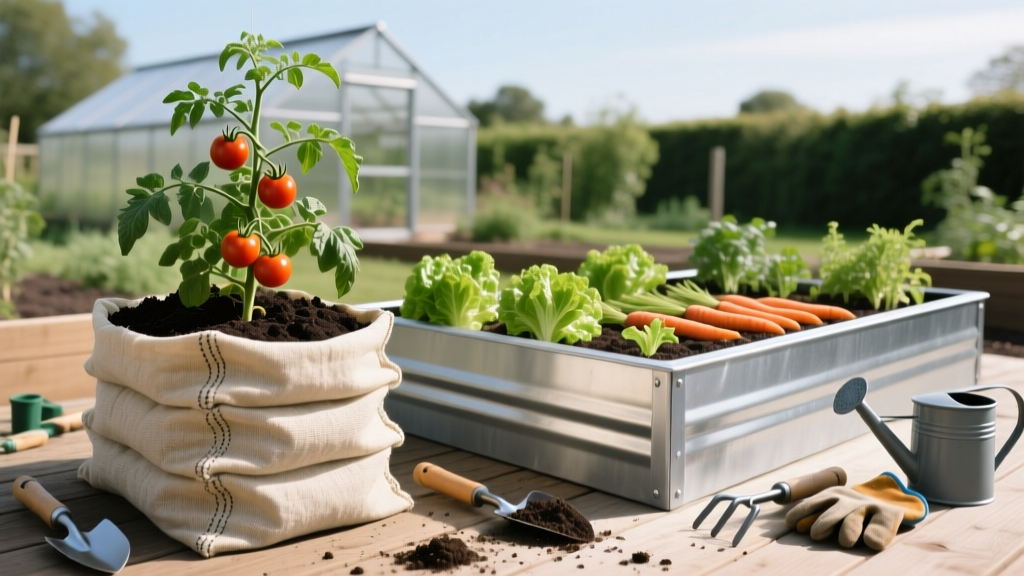
Fabric Grow Bags vs Steel Raised Beds: Which is Best?
James MillerPublished
Introduction to Modern Garden Containment
The modern home garden is no longer confined to traditional in-ground rows. As urban spaces shrink and native soil quality becomes a primary concern, contained gardening has surged in popularity among both novice and master gardeners. Two dominant solutions have emerged for growing high-yield vegetables, herbs, and flowers: heavy-duty fabric grow bags and modular galvanized steel raised beds. Both systems offer distinct advantages over traditional planting, but they cater to very different gardening styles, budgets, and spatial constraints. In this comprehensive comparison, we will pit premium fabric grow bags against galvanized steel raised garden beds to help you decide which system deserves a permanent spot in your backyard.
Fabric Grow Bags: The Air-Pruning Powerhouse
Fabric grow bags, popularized by industry leaders like Smart Pot, are constructed from breathable, BPA-free polypropylene or recycled felt materials. Their primary advantage lies in a biological process known as air-pruning. When a plant's root tip reaches the porous edge of the fabric, it is exposed to air, which halts its outward growth and stimulates the development of a dense, fibrous lateral root network. According to research highlighted by the Texas A&M AgriLife Extension, this fibrous root mass vastly improves a plant's ability to uptake water and nutrients compared to the circling, root-bound systems found in traditional plastic nursery pots.
A standard 15-gallon fabric bag provides ample volume for indeterminate tomatoes, while 5-gallon sizes are perfect for peppers, eggplants, and bush beans. However, the porous nature of the fabric means moisture evaporates rapidly. During the peak of summer, gardeners may need to water their fabric bags twice a day to prevent wilting. Furthermore, UV exposure degrades the fabric over time, typically requiring replacement every three to five seasons, depending on the climate and storage conditions during the winter months.
Galvanized Steel Raised Beds: The Permanent Fortress
On the opposite end of the spectrum are galvanized steel raised beds, championed by brands like Vego Garden and Birdies. These modular, corrugated metal panels are bolted together to form durable, permanent garden structures. Galvanized steel is coated with a layer of zinc to prevent rust, ensuring a lifespan that frequently exceeds twenty years with minimal maintenance. The University of Minnesota Extension notes that raised beds warm up faster in the spring and provide superior drainage, making them ideal for extending the growing season in cooler climates.
Steel beds also offer a significant ergonomic advantage. By stacking panels, gardeners can build beds up to 34 inches tall, eliminating the need to bend over and making gardening accessible for individuals with mobility issues. The primary drawbacks are the high initial financial investment and the sheer volume of soil required to fill them. A single 3x6 foot bed that is 17 inches deep requires nearly 30 cubic feet of soil, which can be costly and labor-intensive to source, mix, and transport.
Head-to-Head Feature Comparison
To visualize the differences between these two popular gardening methods, review the structured comparison chart below:
| Feature | Fabric Grow Bags | Galvanized Steel Raised Beds |
|---|---|---|
| Upfront Cost | Low ($10 to $20 per bag) | High ($150 to $300+ per bed kit) |
| Lifespan | 3 to 5 seasons | 20+ years |
| Soil Moisture Retention | Low (dries out very quickly) | High (retains moisture well) |
| Root Pruning | Excellent (natural air-pruning) | Moderate (requires manual root management) |
| Assembly Time | Instant (unfold and fill) | 1 to 2 hours (bolting panels together) |
| Pest Protection | Low (vulnerable to crawling pests) | High (smooth sides deter slugs and snails) |
| Mobility | High (can be moved when empty) | None (permanent installation) |
Soil Temperature and Root Zone Dynamics
Soil temperature dictates seed germination, microbial activity, and overall plant vigor. The USDA Natural Resources Conservation Service emphasizes that monitoring and managing soil temperature is critical for optimal planting schedules and crop health. Galvanized steel is highly reflective, which helps bounce sunlight away and keep the soil temperature remarkably stable, even in the sweltering heat of mid-July. This prevents the root zone from overheating and stressing the plant.
Conversely, dark-colored fabric grow bags absorb solar radiation. While this is highly beneficial for warming the soil in early spring and promoting early growth, it can lead to dangerously high root-zone temperatures in mid-summer. If the internal temperature of a black fabric bag exceeds 90 degrees Fahrenheit, heat-sensitive crops like lettuce, spinach, or cilantro will quickly bolt or die. To mitigate this, fabric bag users often need to group pots together to create mutual shade, move them to partially shaded areas during heatwaves, or apply a thick layer of organic mulch to the soil surface.
Moisture Retention and Watering Schedules
Water management is where the two systems diverge most drastically. Fabric grow bags are essentially giant wicks. While they prevent waterlogging and root rot by allowing excess water to escape freely through the sides and bottom, they demand a rigorous watering schedule. In arid climates or during drought conditions, a drip irrigation system is almost mandatory for fabric bags to ensure consistent moisture levels.
Galvanized steel raised beds, being non-porous, hold moisture much like traditional in-ground soil. The corrugated metal walls prevent lateral evaporation, meaning water only escapes from the topsoil surface or drains downward into the native earth below. This allows for deeper, less frequent watering sessions, which encourages roots to grow downward in search of moisture, resulting in more drought-resilient plants over the course of the season.
Pest and Disease Management
Fabric bags can be easily moved if a localized pest infestation occurs, and their elevation off the ground deters some crawling insects. However, they offer no protection against burrowing pests if placed directly on soil. Steel raised beds, especially when fitted with a galvanized hardware cloth base, completely eliminate the threat of gophers, moles, and voles. Furthermore, the smooth metal sides of steel beds are difficult for slugs and snails to traverse, providing a natural physical barrier that fabric bags simply cannot match. Regarding soil-borne diseases, both systems allow you to control the soil input, but steel beds are easier to solarize or sterilize between seasons if a fungal issue like verticillium wilt takes hold.
Cost Analysis: Upfront vs. Long-Term Investment
When evaluating the economics of your garden, you must look beyond the initial price tag. Outfitting a 100-square-foot growing area with 15-gallon fabric grow bags will cost approximately $150 for the containers. However, because they degrade and need replacing every four years, the ten-year cost rises to roughly $375, not including the labor of repotting and replacing soil.
Outfitting the same 100-square-foot area with 17-inch tall galvanized steel raised beds will cost between $600 and $800 upfront. While the initial barrier to entry is much higher, the beds will easily last two decades without needing replacement. When amortized over a ten-year period, the steel beds become highly cost-effective, especially when you factor in the increased crop yields that come from deeper, more stable soil environments.
Soil Preparation Recipes for Each System
Because of their differing drainage properties, you should not use the exact same soil mix for both systems. For fabric grow bags, you need a lightweight, moisture-retentive, yet exceptionally well-draining mix. A proven recipe is 50 percent high-quality potting soil, 30 percent organic compost, and 20 percent perlite or pumice. The perlite is crucial to prevent the soil from compacting and suffocating the roots in a container environment.
For galvanized steel raised beds, you can utilize a heavier, more nutrient-dense mixture that mimics native topsoil. A standard and highly effective blend is 60 percent screened topsoil, 30 percent compost, and 10 percent worm castings. Because the steel bed is open to the ground at the bottom, earthworms and beneficial microbes can migrate upward into the bed, naturally aerating the heavier soil mix over time.
Final Verdict: Which Should You Choose?
The choice between fabric grow bags and galvanized steel raised beds ultimately depends on your specific gardening goals, physical capabilities, and budget. If you are a renter, have limited space like a balcony or concrete patio, or want to experiment with different crop layouts each year, fabric grow bags are the undisputed champion. They are affordable, portable, and excellent for promoting healthy root structures.
However, if you own your home, desire a permanent and aesthetically pleasing landscape feature, and want to minimize daily maintenance like constant watering, galvanized steel raised beds are the superior investment. They offer unparalleled longevity, superior pest protection, and an ergonomic growing experience that will serve your garden for decades to come.
