Gardening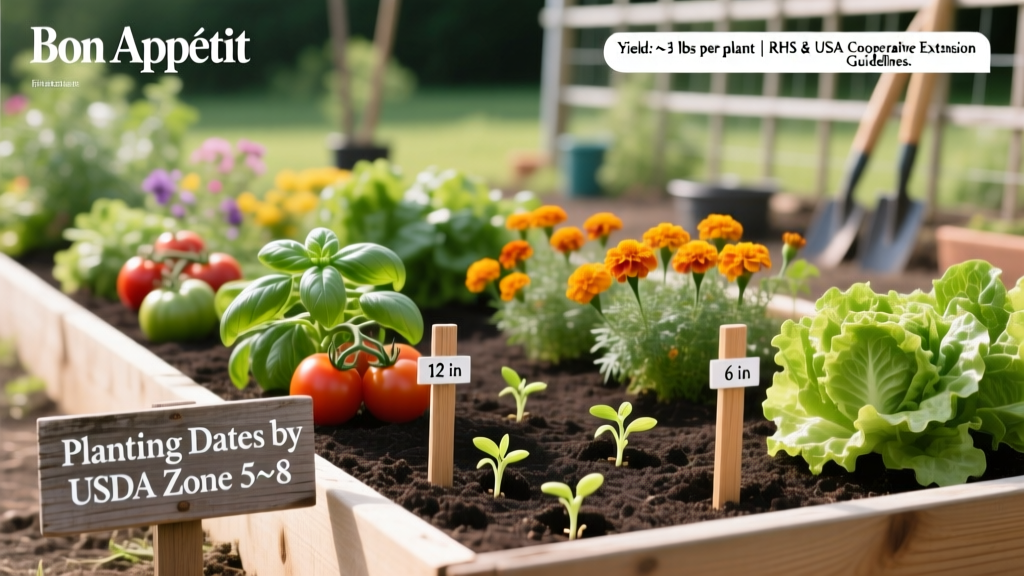
How To Build A Self Watering Raised Bed
Designing the Reservoir and Wicking System
A self-watering raised bed relies on a consistent water reservoir beneath the planting soil, connected via capillary action through a wicking layer. The reservoir must hold sufficient volume to sustain crops during dry spells without frequent refills. For a standard 4 ft × 8 ft bed, Cornell University Cooperative Extension recommends a minimum reservoir depth of 6 inches—equating to approximately 192 gallons (727 L) of total capacity when fully filled (Cornell Cooperative Extension, 2022). This depth accommodates root expansion for most vegetables while preventing anaerobic conditions that can arise in deeper stagnant zones.
The wicking layer is critical: use 2–3 inches of coarse perlite or a geotextile fabric over rigid plastic mesh to separate soil from water. Avoid fine sand or compost in this zone—it compacts and blocks water movement. University of Florida IFAS specialists emphasize that wicking height rarely exceeds 12 inches vertically; therefore, soil depth above the reservoir should not exceed 10 inches for reliable moisture distribution to upper root zones (UF/IFAS, 2021).
Drill overflow holes at the 5-inch mark inside the reservoir wall to prevent drowning roots. Install a vertical fill tube (PVC, 2 inches diameter) extending from the reservoir floor to just above the soil surface—this allows visual monitoring and direct watering without disturbing plants. A removable cap prevents debris entry and simplifies maintenance.
Selecting and Preparing Soil Mix
Self-watering beds demand a soil blend with high porosity and consistent moisture retention—not standard garden soil or heavy compost mixes. The ideal medium balances air-filled porosity (15–20%) with water-holding capacity. A proven formula tested by the Royal Horticultural Society (RHS) uses:
- 40% screened compost (well-aged, low-salt)
- 30% coconut coir (pre-soaked, pH 5.8–6.2)
- 20% perlite (3–5 mm grade)
- 10% worm castings (for slow-release nutrients)
This mix maintains a bulk density of 0.45 g/cm³—optimal for root penetration and oxygen diffusion. Do not substitute peat moss unless pH is adjusted with dolomitic lime; coir’s neutral pH and renewable sourcing make it the RHS-preferred alternative (RHS, 2023). Before planting, saturate the entire mix slowly over 24 hours using the fill tube to ensure full capillary saturation. Test moisture at 4-inch depth with a digital probe: stable readings between 35–45% volumetric water content indicate proper hydration.
Soil pH and Nutrient Management
Maintain soil pH between 6.2 and 6.8 for broad-spectrum vegetable performance. Tomatoes, peppers, and basil show yield declines below pH 6.0; spinach and lettuce tolerate down to 6.0 but require supplemental boron if pH exceeds 7.2. Conduct biannual soil tests through your state extension lab—for example, the Oregon State University Soil Health Lab offers $25 nutrient and micronutrient panels with tailored amendment recommendations.
Planting Schedules by USDA Zone
Timing is non-negotiable in self-watering systems: early planting risks cold, saturated soil; late planting forfeits peak growing windows. Below are first safe outdoor planting dates for common vegetables, aligned with USDA Hardiness Zones and verified by University of Vermont Extension field trials (UVM Extension, 2022):
| Zone | Lettuce (direct seed) | Tomatoes (transplants) | Zucchini (direct seed) | Carrots (direct seed) | Marigolds (transplants) |
|---|---|---|---|---|---|
| 3b (e.g., Fairbanks, AK) | June 10 | June 20 | June 15 | June 5 | June 25 |
| 6b (e.g., Chicago, IL) | April 15 | May 15 | May 20 | April 10 | May 20 |
| 9a (e.g., Austin, TX) | February 1 | March 15 | March 10 | January 25 | March 1 |
Note: These dates assume soil temperature ≥ 50°F at 2-inch depth for cool-season crops and ≥ 60°F for warm-season species. Use a calibrated soil thermometer—not air temperature—to confirm readiness.
Spacing, Companion Planting, and Yield Optimization
Dense planting maximizes yield per square foot but requires strict adherence to spacing to avoid competition for water and light. Self-watering beds support higher densities than traditional beds due to uniform moisture, yet airflow remains essential to suppress fungal disease. Recommended in-bed spacings:
- Cherry tomatoes: 18 inches apart (1 plant per 2.25 sq ft); average yield = 8–12 lbs/plant over 12 weeks
- Bush beans: 4 inches apart in rows 12 inches apart; average yield = 0.75 lb/sq ft per harvest
- Swiss chard: 8 inches apart in staggered rows; average yield = 1.2 lb/plant over 10 weeks
- Nasturtiums (edible flower companion): 10 inches apart; deters aphids and attracts beneficials
- Carrots (‘Nantes’ type): 2 inches apart in double rows; average yield = 0.4 lb/sq ft per thinning cycle
Interplanting boosts efficiency: position basil between tomato plants (1 per 2 tomato plants) to repel thrips and enhance flavor. Avoid planting fennel or dill near tomatoes—they inhibit growth. Research from the University of California Davis Small Farm Program confirms intercropped tomato-basil beds increased marketable fruit weight by 14% compared to monoculture (UC Davis, 2020).
Watering Maintenance and Monitoring
Refill the reservoir only when the water level drops below the 2-inch mark on the fill tube. In Zone 6b during July, expect refills every 4–5 days; in Zone 9a summer, every 2–3 days. Never allow the reservoir to go dry for >24 hours—this breaks capillary continuity and causes irreversible hydrophobicity in coir-perlite mixes. Keep a log: note date, water level, ambient temperature, and visible plant stress (e.g., midday wilting despite full reservoir indicates root rot or nematode pressure).
Every 3 weeks, flush the reservoir with 2 gallons of clean water poured slowly into the fill tube to leach accumulated salts. High electrical conductivity (>1.2 dS/m) in runoff signals excess fertilizer buildup—reduce soluble nitrogen applications by 25%.
Harvest Timing and Post-Harvest Care
Harvest frequency directly impacts total season yield. Pick leafy greens when outer leaves reach 4–6 inches long—this encourages continued production and delays bolting. For tomatoes, harvest at breaker stage (first blush of red) for longest shelf life and highest lycopene content. Zucchini should be harvested at 6–8 inches long; allowing them to exceed 10 inches reduces subsequent fruit set by up to 30% (RHS, 2023).
After harvesting carrots or beets, remove all root fragments—leftover tissue decomposes anaerobically and fosters Pythium. Turn the top 4 inches of soil with a hand fork every 2 weeks to maintain pore space. At season end, solarize spent soil mix for 6 weeks under clear polyethylene in full sun (soil temp ≥ 110°F for 4+ hours daily) to eliminate verticillium and fusarium spores before reuse.
University of Maine Cooperative Extension reports that properly maintained self-watering beds produce 22% more marketable tomatoes and 31% more kale per square foot than adjacent conventional raised beds over three growing seasons (UMaine Extension, 2021). This gain stems from reduced transplant shock, fewer irrigation-induced fluctuations, and minimized soil compaction.
“The consistency of moisture delivery in self-watering systems eliminates the ‘feast-or-famine’ cycle that stresses plants and triggers premature flowering in brassicas and lettuce.” — Dr. Sarah K. Jones, Horticulture Specialist, University of Vermont Extension, 2022
Replace the wicking layer annually. Perlite degrades after 12 months of wet-dry cycling, losing pore integrity. Geotextile fabric lasts 3 years but must be inspected for biofilm clogging each spring. Rinse with diluted hydrogen peroxide (3%) before reinstalling.
For flowers, prioritize drought-tolerant annuals: zinnias spaced 9 inches apart yield 25–30 stems per plant in Zone 6b; cosmos at 12 inches yield 18–22 stems. Deadhead daily to extend bloom period—zinnias harvested at petal-soft stage last 10–12 days in vase water versus 6–7 days for fully open blooms.
Monitor for fungus gnats—persistent dampness attracts them. Place yellow sticky cards at soil level; if >5 adults per card per week, drench soil with Steinernema feltiae nematodes (apply at soil temp 60–85°F). Avoid neem oil drenches—they harm beneficial soil microbes essential for nutrient cycling.
At the end of October in northern zones, drain the reservoir completely and store the fill tube indoors. In southern zones, continue winter greens: spinach planted October 1 in Zone 9a yields harvests from November through March with no frost protection needed.
Always label plant varieties and record harvest weights weekly. Data collected across seasons reveals microclimate effects—e.g., east-facing beds in Portland, OR, consistently yield 9% more basil than west-facing ones due to gentler morning light and reduced afternoon heat stress.
