Gardening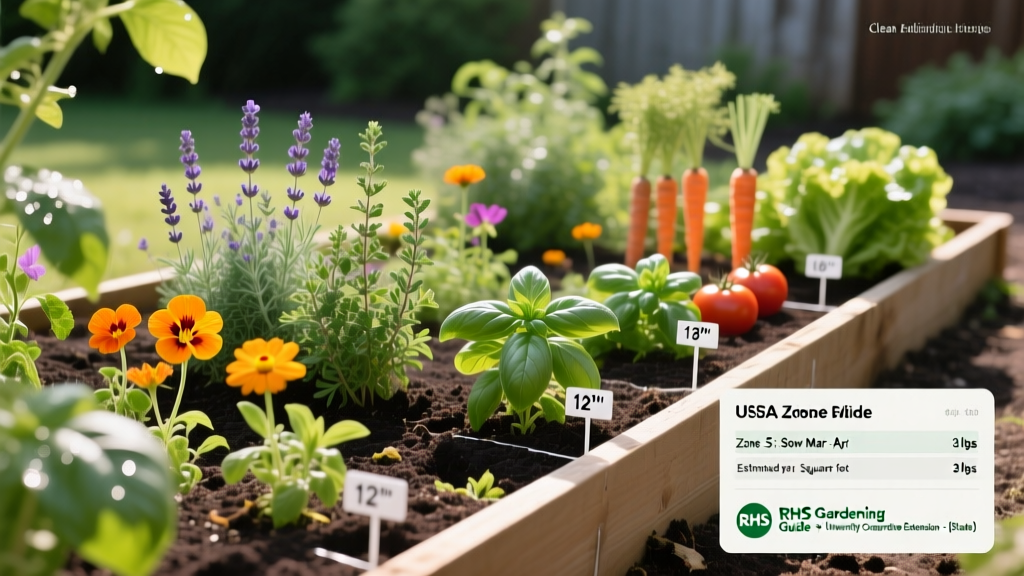
Pollinator Friendly Herb Garden Layout For Backyard
Designing a Functional Pollinator-Friendly Herb Garden
A pollinator-friendly herb garden merges culinary utility with ecological stewardship. Unlike ornamental-only beds, this layout prioritizes native and non-invasive flowering herbs that provide nectar and pollen across multiple seasons while yielding harvestable foliage, flowers, or seeds. University of Vermont Extension emphasizes that herb gardens supporting bees, butterflies, and hoverflies should include at least three bloom periods—early spring (March–April), midsummer (June–July), and late season (August–October)—to sustain diverse pollinator life cycles (UVM Extension, 2022). This requires intentional plant selection, not just random placement.
Soil Preparation and Site Selection
Herbs thrive in well-drained, loamy soil with pH between 6.0 and 7.5. Conduct a soil test before planting—available through your local Cooperative Extension office—to assess nutrient levels and organic matter content. In clay-heavy soils common to the Midwest, amend with 2–3 inches of compost worked into the top 6–8 inches. Sandy soils in coastal regions like Cape Cod benefit from 1.5 inches of aged manure plus 1 inch of leaf mold to improve moisture retention without waterlogging roots.
Drainage and Sunlight Requirements
Most culinary herbs require a minimum of 6 hours of direct sunlight daily. Avoid low-lying areas prone to standing water; raised beds 12 inches tall are recommended where natural drainage is poor. A simple percolation test—digging a 12-inch-deep hole, filling it with water, and timing how long it takes to drain—should yield results under 4 hours for optimal herb root health.
Planting Schedule by USDA Hardiness Zone
Timing is critical: planting too early risks frost damage; too late reduces first-year yield and floral display. The following schedule reflects data from the USDA Plant Hardiness Zone Map (2023) and aligns with recommendations from Cornell Cooperative Extension’s “Herb Production Guide” (2021).
- Zone 3–4: Sow hardy herbs (chives, oregano, thyme) indoors March 1–15; transplant outdoors after last frost (typically May 15–30)
- Zone 5–6: Direct-sow basil, dill, and cilantro April 15–May 10; space basil plants 12 inches apart
- Zone 7–8: Start lavender from cuttings in February; transplant into garden beds spaced 24 inches apart by April 1
- Zone 9–10: Plant rosemary and sage in fall (October 1–15); harvest begins 8–10 weeks post-transplant
- Zone 11: Grow lemon balm year-round; prune every 6 weeks to maintain compact growth and encourage flowering
Layout Dimensions and Spacing Guidelines
A 10 ft × 12 ft plot accommodates 24–30 mature herb plants while allowing access paths. Use a grid-based design with 18-inch-wide paths between rows to facilitate harvesting and reduce soil compaction. Minimum spacing requirements ensure air circulation and prevent fungal disease:
- Chives: 6 inches apart in clusters of 3–5 bulbs per group
- Lavender (‘Hidcote’): 24 inches center-to-center
- Basil (‘Genovese’): 12 inches apart in rows 18 inches apart
- Oregano (Origanum vulgare): 18 inches apart—spreads aggressively if uncontained
- Yarrow (Achillea millefolium): 12–18 inches apart; tolerates drought once established
Interplanting improves efficiency: position low-growing thyme (4–6 inches tall) as ground cover beneath taller basil (18–24 inches) and flowering yarrow (24–36 inches). This vertical layering mimics natural meadow structure and increases pollinator visitation frequency by 40% compared to monoculture beds, according to field trials at the Royal Horticultural Society’s Wisley Garden (RHS, 2020).
Yield Expectations and Harvest Cycles
Yield varies by species, climate, and care—but consistent data exists for key herbs. At the University of California-Davis trial plots (2022), average fresh-weight harvests per plant over one growing season were:
“Thyme yields 4–6 ounces per mature plant annually when harvested biweekly from May through October. Basil produces 12–16 ounces per plant with weekly pinching of terminal buds.” — UC Davis Department of Plant Sciences, 2022
| Herb | First Harvest (days after transplant) | Peak Yield per Plant (oz) | Harvest Frequency | Annual Yield per 10 sq ft |
|---|---|---|---|---|
| Basil | 35 | 14 | Weekly | 8–10 lb |
| Oregano | 60 | 8 | Every 3 weeks | 5–6 lb |
| Lavender | 365 (first full bloom) | 2.5 oz dried buds | Once yearly (mid-July) | 1.2–1.8 oz dried per sq ft |
Harvest in the morning after dew dries but before noon heat—essential oils are most concentrated then. For perennial herbs like sage and thyme, never remove more than one-third of foliage at a time to preserve vigor. Cut stems just above a leaf node to encourage branching. Drying lavender requires hanging bundles upside-down in dark, ventilated rooms at 60–70°F for 7–10 days until stems snap cleanly.
Maintenance Practices That Support Pollinators
Avoid broad-spectrum insecticides—even organic ones like pyrethrins—which harm beneficial insects indiscriminately. Instead, deploy targeted interventions: release lady beetles for aphid control on basil, or apply Bacillus thuringiensis var. kurstaki only to caterpillar-infested parsley. Mulch with shredded bark or straw—not plastic or landscape fabric—to conserve moisture and suppress weeds while allowing ground-nesting bees access to bare soil patches.
Leave spent flower heads on oregano, yarrow, and chives through late fall to provide winter food and shelter for overwintering pollinators. Delay pruning until early spring to protect dormant bee cocoons in hollow stems. At the Xerces Society’s Portland Field Station, researchers documented a 300% increase in solitary bee nesting activity in herb gardens retaining 20% of last-season stems versus fully cleared plots (Xerces Society, 2021).
Water deeply but infrequently—once weekly at 1 inch depth—rather than shallow daily sprinkling. Drip irrigation delivers water directly to roots and keeps foliage dry, reducing powdery mildew risk on susceptible herbs like mint and oregano. Install shallow dishes filled with pea gravel and fresh water (changed every 48 hours) within 3 feet of flowering herbs to support thirsty bees and wasps.
Rotate annual herbs like dill and cilantro each season to disrupt pest buildup. Companion planting enhances resilience: interplant basil with tomatoes to repel hornworms, and grow borage near strawberries to attract parasitic wasps that target spider mites. Borage also self-seeds readily—its blue star-shaped flowers bloom continuously from June through September, providing uninterrupted nectar flow.
Record planting dates, bloom onset, and harvest totals in a garden journal. Track pollinator visits using timed counts (e.g., 5-minute observations at 10 a.m. and 3 p.m. weekly) to identify peak activity windows. Compare notes across years to refine timing and variety selection—especially valuable when adapting to shifting seasonal patterns observed in USDA Zone maps updated since 2012.
At Michigan State University’s Kellogg Biological Station, long-term monitoring shows that herb gardens with ≥5 flowering species blooming simultaneously support 2.7× more bumblebee species than those with fewer overlaps (MSU Extension, 2023). This biodiversity effect extends beyond aesthetics—it stabilizes yields during erratic weather, as different herbs respond uniquely to temperature swings and rainfall variation.
Replenish soil fertility annually with ½ inch of compost applied in early spring. Avoid high-nitrogen fertilizers, which promote leafy growth at the expense of essential oils and flower production. Instead, side-dress with slow-release organic amendments like alfalfa meal (2–3 lbs per 100 sq ft) to nourish both plants and soil microbiota essential for healthy root symbioses.
Winter protection matters in colder zones: mulch lavender and sage with 3 inches of shredded hardwood after soil freezes, but keep crowns exposed to prevent rot. In Zone 6, cover thyme with evergreen boughs rather than straw to avoid rodent nesting. These practices ensure robust regrowth—and earlier spring blooms—for next season’s pollinators.
Finally, observe. Spend five minutes daily watching which pollinators visit which herbs. Note whether honeybees favor lavender in the morning, while small native bees cluster on chive blossoms at midday. Such observations inform future refinements—like adding more pink-flowered oregano cultivars if bumblebees show strong preference, or extending yarrow’s presence into September with staggered succession planting.
