Gardening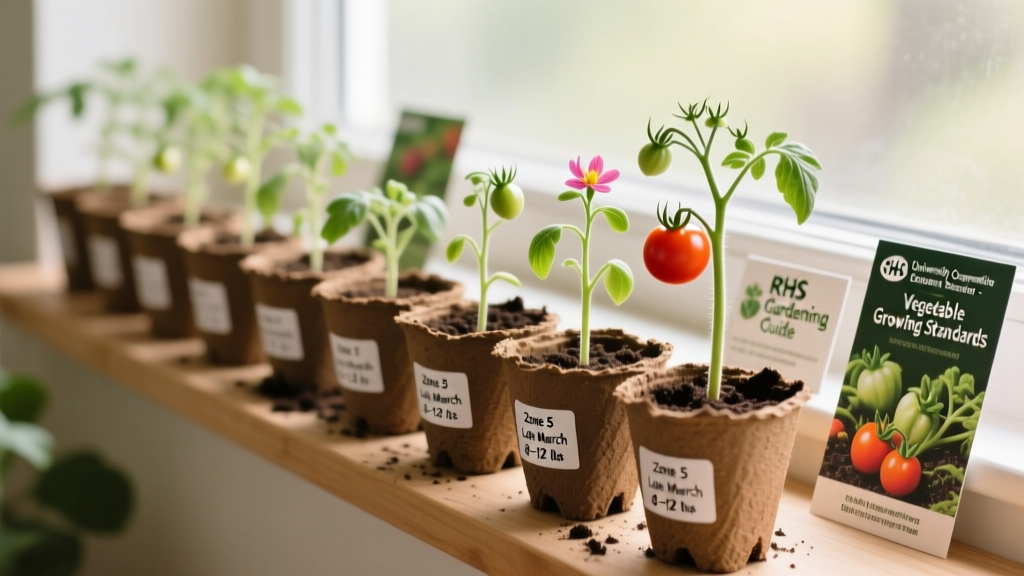
Grow Heirloom Tomatoes From Seed Indoors Step By Step
Start Seeds 6–8 Weeks Before Last Frost
Beginning heirloom tomato seeds indoors gives you precise control over germination conditions and extends the growing season—especially critical in cooler USDA zones. Sow seeds in sterile, soilless seed-starting mix—not garden soil—to prevent damping-off disease. Fill 3- to 4-inch biodegradable pots or reusable trays with drainage holes, moisten the medium thoroughly before planting, then place one to two seeds per cell at a depth of ¼ inch. Cover lightly with mix and mist gently. Maintain consistent moisture and warmth: soil temperature must stay between 70°F and 80°F for optimal germination, which typically occurs in 5–10 days.
Transplant Timing by USDA Hardiness Zone
Outdoor transplant timing depends entirely on your local frost dates. University of Vermont Extension (2022) emphasizes that tomatoes are frost-tender and must not be moved outside until both air and soil temperatures remain reliably above 50°F day and night. Below is a zone-specific transplant window based on average last spring frost dates compiled from the USDA Plant Hardiness Zone Map and Cornell Cooperative Extension’s 2023 Vegetable Growing Guide:
| USDA Zone | Average Last Frost Date | Recommended Transplant Window | Earliest Indoor Sowing Date |
|---|---|---|---|
| Zone 3 | May 20–31 | June 1–15 | April 1–15 |
| Zone 5 | April 15–30 | May 10–25 | March 15–31 |
| Zone 7 | April 1–10 | April 15–30 | March 1–15 |
| Zone 9 | February 15–28 | March 10–25 | January 15–31 |
Harden Off Gradually Over 7–10 Days
Before moving seedlings outdoors permanently, acclimate them through hardening off. Begin this process 7–10 days prior to transplanting. Start by placing pots in dappled shade for 2 hours on Day 1, then increase exposure by 1–2 hours daily while gradually introducing full sun. Reduce watering slightly—but never let seedlings wilt—and avoid fertilizing during this phase. Nighttime temperatures below 50°F will stunt growth, so bring plants indoors if forecasts dip below that threshold.
Prepare Garden Beds With Nutrient-Rich Soil
Tomatoes thrive in well-drained, loamy soil with a pH between 6.2 and 6.8. Conduct a soil test through your state’s cooperative extension service—such as the University of California Cooperative Extension’s Davis lab—or use a certified home kit. Amend beds with 2–3 inches of finished compost and ½ cup of balanced organic fertilizer (e.g., 5-5-5) per square yard, tilling to a depth of at least 12 inches. Avoid fresh manure, which can promote excessive foliage at the expense of fruit. Raised beds filled with a mix of 60% topsoil, 30% compost, and 10% coarse sand perform exceptionally well in heavy clay regions like those around Cincinnati, Ohio.
Spacing Requirements Vary by Growth Habit
Proper spacing ensures airflow, reduces disease pressure, and maximizes yield. Determinate varieties—including ‘Roma’ and ‘Bush Beefsteak’—require 24–36 inches between plants in rows spaced 36–48 inches apart. Indeterminate types—like ‘Brandywine’, ‘Cherokee Purple’, and ‘Green Zebra’—need 36–48 inches between plants and 48–60 inches between rows when staked or caged. For unpruned, sprawling growth (e.g., in straw bale gardens), allow up to 6 feet per plant. The Royal Horticultural Society (RHS, 2021) confirms that overcrowding increases early blight incidence by up to 40% under humid conditions.
- Seed starting mix depth: ¼ inch
- Minimum soil temperature for transplanting: 50°F
- Compost amendment rate: 2–3 inches per bed
- Determinate spacing: 24–36 inches between plants
- Indeterminate row spacing: 48–60 inches
Support Plants Early and Consistently
Install stakes, cages, or trellises at transplanting—not later—to avoid root damage. For staking, use 6-foot wooden or metal stakes driven 12 inches deep beside each plant; tie stems loosely with soft twine every 6–8 inches as they grow. Tomato cages should be at least 5 feet tall and 18 inches in diameter to accommodate vigorous indeterminates. In trials conducted by the University of Minnesota Extension (2020), caged ‘Early Girl’ yielded 8.2 lbs per plant versus 5.4 lbs for unstaked controls—demonstrating how support directly influences productivity and fruit quality.
Prune selectively: remove only suckers below the first flower cluster on indeterminate types to improve air circulation without sacrificing yield. Avoid pruning determinates—they set fruit on terminal buds and respond poorly to removal.
Harvest at Peak Flavor and Monitor Yield
Heirlooms ripen unevenly and benefit from vine-ripening. Harvest when fruits show full varietal color, yield slightly to gentle palm pressure, and detach easily with a light upward twist. Never refrigerate fresh tomatoes—the cold degrades flavor volatiles and texture. Average yields vary widely by variety and management: ‘San Marzano’ averages 12–15 lbs per plant in optimal conditions; ‘Yellow Pear’ produces 8–10 lbs but bears continuously over 10–12 weeks; ‘Oxheart’ yields 6–8 lbs per plant but features dense, meaty fruit ideal for sauce.
“Tomato flavor intensity correlates strongly with Brix levels above 6.5 and soil potassium availability—both enhanced by consistent moisture and mid-season side-dressing with kelp meal.” — Cornell Cooperative Extension, “Growing Tomatoes in New York,” 2023
Water deeply and evenly—1–1.5 inches per week is standard, but increase to 2 inches during fruit-set in hot, dry periods. Drip irrigation is preferred over overhead sprinklers to keep foliage dry and minimize Septoria leaf spot. Mulch with 3–4 inches of shredded bark or straw after soil warms to 65°F to suppress weeds and stabilize moisture.
Monitor for pests weekly: tomato hornworms are most active in July–August in the Midwest and Mid-Atlantic; inspect undersides of leaves and handpick. For early blight, apply copper-based fungicides preventatively beginning at first fruit set, following label instructions and RHS guidelines on maximum application frequency.
Rotate crops annually—avoid planting tomatoes, peppers, eggplants, or potatoes in the same bed for at least three years. This practice significantly reduces Verticillium and Fusarium wilt buildup, especially important in historic garden plots near Boston, Massachusetts, where soil pathogen pressure remains high due to decades of solanaceous cropping.
Record planting dates, varieties, yields, and pest observations in a garden journal. Data collected over multiple seasons helps refine timing and variety selection—for example, noting that ‘Stupice’ consistently matures 10 days earlier than ‘Black Krim’ in Zone 6 allows for strategic succession planting.
When harvesting, cut clusters with stem attached rather than pulling individual fruits—this preserves shelf life and prevents stem-end bruising. Store ripe fruit at room temperature away from direct sunlight for up to 5 days; for longer storage, process into sauce, paste, or frozen puree within 24 hours of picking.
Success hinges on consistency—not complexity. Maintaining steady moisture, appropriate spacing, timely support, and soil health transforms heirloom tomato growing from hopeful experiment to reliable seasonal abundance.
