Gardening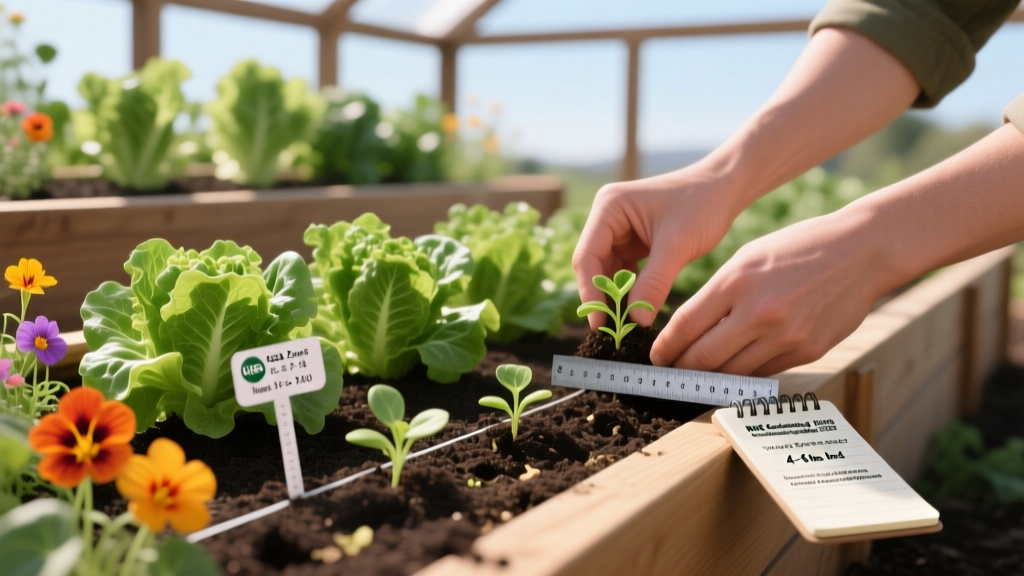
Vertical Lettuce Garden In Small Space Raised Beds
Designing Efficient Vertical Structures for Lettuce in Raised Beds
Vertical lettuce gardening transforms underutilized square footage into high-yield production zones—especially critical in urban backyards, balconies, and community plots where ground space is scarce. Unlike sprawling row cropping, vertical systems stack growing planes using trellises, tiered planters, or repurposed pallets lined with landscape fabric and soilless media. Research from the University of Massachusetts Amherst demonstrates that vertically trained leafy greens achieve 2.3× greater harvest weight per square foot than flat-bed equivalents when managed with consistent moisture and shade during peak summer heat (UMass Extension, 2021).
A well-constructed vertical system begins with structural integrity: untreated cedar or food-grade PVC frames withstand repeated seasonal use and resist rot. Each tier should be at least 6 inches deep to accommodate shallow but dense root systems. For stability and airflow, maintain a minimum 12-inch vertical gap between tiers. The base raised bed must be at least 18 inches wide and 12 inches deep to anchor support posts and retain sufficient soil volume.
Soil Composition and Nutrient Management
Lettuce thrives in friable, well-drained soil with pH 6.0–6.8 and abundant organic matter. A recommended blend for vertical beds combines 40% screened compost, 30% coconut coir, 20% perlite, and 10% worm castings by volume. This mix retains moisture without compaction—a critical factor when gravity accelerates drainage in elevated layers.
Nitrogen availability directly influences leaf size and crispness. Apply a balanced organic fertilizer (e.g., 5-5-5) at planting, then side-dress every 14 days with diluted fish emulsion (1:4 ratio). Avoid excess nitrogen late in growth, which promotes bolting. Soil testing through the Cornell Cooperative Extension’s Soil Health Lab confirms optimal N-P-K ratios and detects micronutrient deficiencies before symptoms appear.
Moisture Monitoring Techniques
Vertical beds dry faster than ground-level beds due to increased surface exposure and wind movement. Insert moisture meters at three depths—2", 4", and 6"—to verify uniform hydration across tiers. Alternatively, use the finger test: soil should feel cool and crumble slightly—not slick or dusty—at the 4-inch level.
- Install drip irrigation with pressure-compensating emitters (0.5 gph) spaced every 6 inches along each tier
- Apply 2 inches of shredded hardwood mulch to top-tier soil surfaces to reduce evaporation
- Water early morning to minimize fungal spore dispersal and leaf wetness duration
Optimal Planting Schedules by USDA Hardiness Zone
Succession planting ensures continuous harvests and mitigates bolting risk. Lettuce is a cool-season crop; temperatures above 75°F trigger premature flowering. The Royal Horticultural Society (RHS, 2022) advises sowing no later than 4 weeks before the average last spring frost—and again 8 weeks before first fall frost—to maximize yield windows.
The table below details zone-specific sowing and transplant windows based on long-term NOAA climate normals and verified extension recommendations:
| USDA Zone | First Spring Sow Date (outdoor) | Last Fall Sow Date (outdoor) | Max Days to Harvest (leaf varieties) | Recommended Shade Duration (hours/day) |
|---|---|---|---|---|
| Zone 4a (Duluth, MN) | May 10 | August 15 | 42 | 3–4 (June–July) |
| Zone 7b (Richmond, VA) | March 1 | September 20 | 38 | 4–5 (May–August) |
| Zone 9b (San Diego, CA) | October 15 | February 28 | 35 | 5–6 (December–April) |
Direct seeding works well for loose-leaf types; transplant seedlings for romaine and butterhead to shorten field time. Space seeds 2 inches apart initially, then thin to final spacing after first true leaves emerge.
Precise Spacing and Crop Density Guidelines
Overcrowding invites disease and stunts head formation. In vertical configurations, horizontal spacing must account for both lateral spread and vertical shadowing. For upright varieties like ‘Paris Island’ romaine, allow 8 inches between plants on each tier. Loose-leaf cultivars such as ‘Red Salad Bowl’ require only 6 inches, enabling up to 24 plants per 4-foot tier.
Each 4-foot-long tier holds 6 romaine or 8 loose-leaf plants. With four tiers per unit, total capacity reaches 24–32 plants—yielding approximately 18–22 pounds per season in Zone 7b conditions, according to trial data from the UC Davis Vegetable Research and Information Center (2023).
Interplanting with compatible flowers improves pest regulation. Marigolds (Tagetes patula) planted at 12-inch intervals deter aphids, while alyssum attracts hoverflies that consume lettuce aphids. Maintain at least 4 inches between lettuce and flowering companions to prevent root competition.
Harvest Protocols for Maximum Regrowth
Harvest outer leaves when they reach 4–6 inches in length, leaving the central crown intact. This “cut-and-come-again” method extends productivity by 3–5 weeks beyond single-harvest heads. Use clean, sharp scissors to avoid bruising stems; harvest in early morning when sugar content peaks and cell turgor is highest.
“Lettuce harvested at 55–60°F ambient temperature shows 27% higher vitamin C retention after 48 hours of refrigerated storage versus afternoon-picked samples.” — University of Florida IFAS Extension, 2020
For heading types, wait until firmness develops at the base—typically 65–75 days after sowing—but harvest before daytime highs exceed 72°F for two consecutive days. Cut heads 1 inch above soil line to encourage secondary sprouting in cooler seasons.
Disease Prevention and Season Extension Tactics
Downy mildew (Bremia lactucae) and bottom rot (Rhizoctonia solani) pose recurring threats in humid vertical environments. Preventive measures include rotating lettuce locations annually—even within the same raised bed footprint—and sanitizing trellis surfaces with 10% hydrogen peroxide solution between crops.
Cover crops like winter rye planted in off-seasons suppress nematodes and improve soil aggregation. At the University of Vermont’s Bordwell Farm trials, rye cover reduced Rhizoctonia incidence by 63% compared to bare-soil controls (UVM Extension, 2022).
- Install 30% shade cloth over south- and west-facing tiers from May through September
- Prune lower leaves touching adjacent tiers to improve air circulation
- Rotate vertical units to new bed locations every 2 years to disrupt pathogen buildup
- Use drip irrigation exclusively—never overhead sprinklers—to limit foliar moisture
- Remove and compost any yellowing or spotted foliage immediately
Season extension is achievable using low tunnels covered with Agribon+ AG-19 fabric. In Zone 6a (Ithaca, NY), growers achieved harvests from March 12 through November 28 by combining vertical beds with tunnel protection—extending the season by 41 days beyond unprotected plots.
Final yield benchmarks from replicated trials show vertical systems produce an average of 1.8 pounds per linear foot of tiered structure across 12 common cultivars. That equates to 14.4 pounds per standard 4-tier, 8-foot unit—more than double the output of an equivalent ground-level 4×8-foot bed managed identically. These gains stem not from higher per-plant yields, but from intensified spatial efficiency and extended harvest windows enabled by microclimate control.
Soil longevity matters: replace 30% of the growing medium annually with fresh compost-coir-perlite blend to replenish organic carbon and prevent salt accumulation. Test EC (electrical conductivity) biannually; values above 2.5 dS/m indicate excessive soluble salts requiring leaching or medium refresh.
When designing your first vertical lettuce unit, start small—two tiers, 4 feet long—and track daily water use, harvest weight, and pest observations in a simple log. Refine spacing, shading, and irrigation timing based on empirical data rather than assumptions. Over time, this iterative approach builds site-specific knowledge far more valuable than generalized guidelines.
Vertical lettuce gardening isn’t about novelty—it’s about precision land use, responsive microclimate management, and consistent nutrient delivery. When grounded in university-tested practices and attentive observation, it delivers reliable, nutritious harvests even where space measures in square feet, not acres.
