Gardening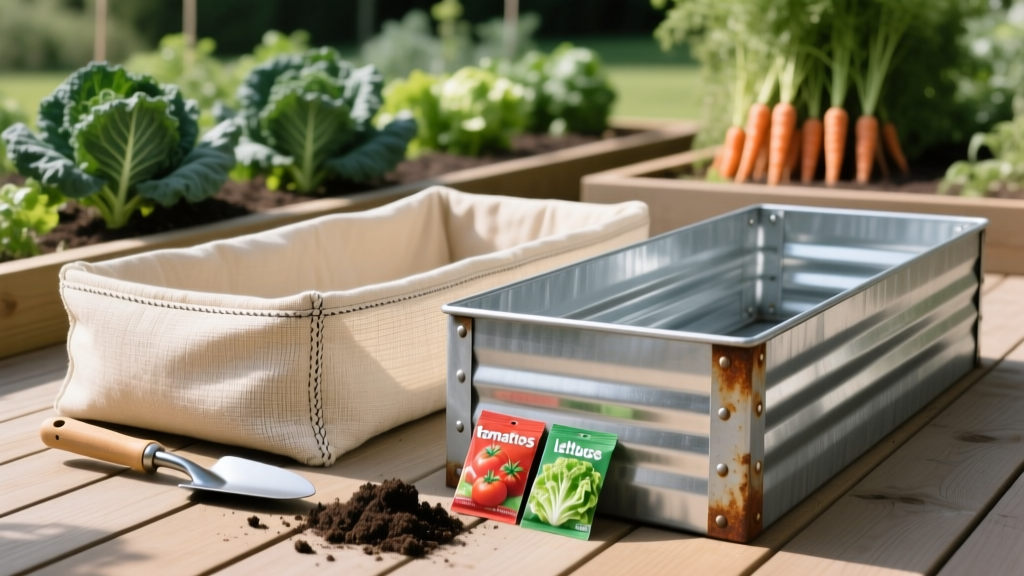
Fabric vs Galvanized Metal Raised Beds: Full Review
Sarah ChenPublished
The Evolution of Raised Bed Gardening
Raised bed gardening has completely transformed how home growers approach vegetable and flower cultivation. By elevating the soil profile, gardeners gain superior control over drainage, soil composition, and weed management. However, the modern gardening market has introduced a fierce debate regarding the best materials for these structures. The two dominant contenders in the product space today are heavy-duty woven fabric grow bags and galvanized Aluzinc steel metal beds. In this comprehensive product review and comparison, we will break down the performance, cost, and longevity of fabric versus metal raised garden beds to help you make the most informed investment for your backyard.
Fabric Raised Garden Beds: Breathability on a Budget
Fabric raised beds, typically constructed from BPA-free, woven polypropylene, have surged in popularity due to their affordability and unique horticultural benefits. The primary advantage of fabric is aeration. When roots reach the edge of the porous material, they are exposed to air, which naturally prunes the root tip. This process, known as air-pruning, stimulates the growth of dense, fibrous lateral root systems rather than allowing roots to circle and become bound as they often do in plastic or wood containers.
Product Spotlight: Epic Gardening Fabric Raised Beds
One of the top-rated products in this category is the Epic Gardening Fabric Raised Bed line. Available in standard dimensions like 4 feet by 8 feet with a 12-inch depth, these beds retail for approximately $40 to $60. They feature reinforced handles, heavy-duty stitching, and a felt-like texture that promotes excellent moisture wicking. Assembly takes less than five minutes—simply unfold, place on your lawn or patio, and fill. Another notable competitor is the Smart Pot Raised Bed, which utilizes a slightly thicker geotextile fabric that holds its shape better when empty. Both brands excel at preventing soil compaction, a common issue in traditional in-ground gardening. However, fabric beds are susceptible to UV degradation over time. While rated for three to five years of continuous outdoor use, they will eventually fray and require replacement. Furthermore, their porous nature means they dry out significantly faster than solid-walled beds, requiring more frequent irrigation during peak summer heat.
Galvanized Metal Raised Beds: The Heavy-Duty Contender
On the opposite end of the spectrum are modular galvanized metal raised beds. These structures are typically manufactured from Aluzinc steel, an alloy coating of aluminum and zinc that provides exceptional resistance to corrosion and rust. Metal beds offer a sleek, modern aesthetic and a structural rigidity that fabric simply cannot match. They are highly resistant to burrowing pests like gophers and voles, and their solid walls provide a robust barrier against invasive lawn grasses.
Product Spotlight: Vego Garden Modular Metal Planter
The Vego Garden 17-Inch Tall Modular Metal Planter is widely considered the gold standard for home gardeners. Priced between $160 and $250 depending on the configuration, this kit includes corrugated Aluzinc steel panels, reinforced corner brackets, and a safety edge trim to prevent cuts during assembly. The 17-inch depth is ideal for deep-rooted crops like tomatoes, carrots, and parsnips, reducing the need to bend over and saving your lower back. Unlike traditional cedar or pressure-treated wood, Aluzinc steel does not leach harmful chemicals into your soil, eliminating the need for a plastic liner. This direct soil-to-metal contact is perfectly safe for growing edible crops, provided the steel is certified food-safe. The Aluzinc coating also reflects sunlight, which helps moderate soil temperatures. While the initial investment is steep, these beds boast a lifespan of twenty years or more, making them a permanent fixture in your landscape.
Head-to-Head Comparison Chart
| Feature | Fabric Raised Beds | Galvanized Metal Beds |
|---|---|---|
| Initial Cost (4x8 ft) | $40 - $70 | $160 - $250 |
| Expected Lifespan | 3 to 5 Years | 20+ Years |
| Assembly Time | Under 5 Minutes | 45 to 90 Minutes |
| Drainage & Aeration | Excellent (Air-Pruning) | Good (Requires Drill Holes) |
| Moisture Retention | Low (Dries Quickly) | High (Retains Moisture) |
| Pest Resistance | Moderate | Excellent |
| Winter Durability | Must be Stored or Covered | Withstands Freezing Weather |
Soil Temperature and Root Zone Health
A critical factor often overlooked by beginners is how bed material impacts soil temperature. According to research published by the University of Maryland Extension, extreme fluctuations in soil temperature can stress plant roots, stunt growth, and reduce overall crop yields. Fabric beds, while highly breathable, offer zero insulation. In early spring, the soil in a fabric bed will warm up rapidly, which is great for early planting, but in the dead of summer, the sides can overheat and dry out the root zone.
Conversely, galvanized metal beds have high thermal conductivity. While the Aluzinc coating reflects a portion of UV rays, the metal panels can still absorb heat. To mitigate this, expert growers recommend applying a two-inch layer of organic mulch, such as straw or shredded leaves, over the soil surface. This practice insulates the root zone, retains moisture, and prevents the soil from baking. If you live in a southern climate with intense summer heat, metal beds may require shade cloth or strategic placement to avoid cooking delicate crops like lettuce and spinach.
Soil Preparation and Filling Costs
When budgeting for your raised beds, the cost of the container is only a fraction of the total expense. Filling a standard 4x8 foot bed that is 12 inches deep requires roughly 32 cubic feet of soil. For optimal vegetable growth, we recommend a modified Mel's Mix: 40 percent high-quality compost, 40 percent coarse vermiculite or perlite, and 20 percent peat moss or coco coir. This mixture will cost approximately $150 to $200 per bed if bought in bulk. Because metal beds are often taller (17 inches), they require nearly 45 cubic feet of soil. To save money, gardeners can fill the bottom third of tall metal beds with bulk organic matter like fallen leaves, wood chips, or straw using the Hugelkultur method, reserving the premium soil mix for the top root zone.
To further boost nutrient density, we recommend mixing in two cups of organic granular fertilizer and a generous layer of worm castings before planting. This ensures your heavy feeders, such as peppers and squash, have access to immediate and slow-release nutrients throughout the growing season.
Final Verdict: Which Bed is Right for You?
The choice between fabric and galvanized metal raised beds ultimately depends on your budget, climate, and long-term gardening goals. If you are a beginner, a renter, or a gardener on a strict budget, fabric raised beds offer an unbeatable entry point. They are cheap, portable, and provide excellent aeration for root health, even if they need replacing every few seasons.
However, if you are a homeowner looking to establish a permanent, low-maintenance vegetable garden, galvanized metal beds are the superior investment. The pest resistance, structural integrity, and decades-long lifespan easily justify the higher upfront cost. Whichever material you choose, pairing your new beds with a consistent watering schedule and nutrient-rich compost will guarantee a bountiful harvest season after season.
