Lawn Care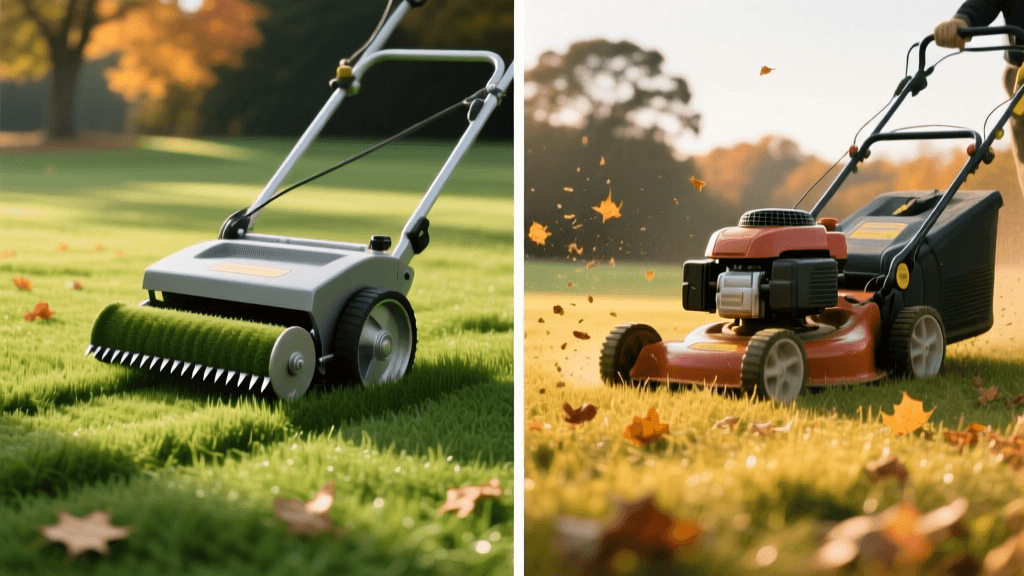
Reel vs Rotary Mowers for Bermuda Grass: 2026 Fall Guide
The Fall Transition: Why Your Mower Choice Matters for Bermuda Grass
As the crisp air of autumn 2026 settles in, warm-season turfgrasses begin their annual transition into dormancy. For homeowners cultivating Bermuda grass (Cynodon dactylon), fall is a critical window for setting the stage for a vibrant spring green-up. One of the most debated topics among turf enthusiasts during this season is the choice between a reel mower and a rotary mower. While both have their merits, the unique physiological needs of Bermuda grass in the fall dictate specific mowing practices that can make or break your lawn's health.
According to turfgrass specialists at Texas A&M AgriLife Extension, Bermuda grass thrives on low mowing heights and frequent trims during its peak growing season. However, as soil temperatures drop below 65°F in the fall, the grass slows its vertical growth and begins diverting energy to its root and rhizome systems. How you cut the grass during this transition—and the equipment you use—directly impacts its winter survivability and spring recovery. In this comprehensive 2026 guide, we break down the reel vs. rotary debate specifically through the lens of fall lawn care.
Understanding Bermuda Grass Physiology in Autumn
Before choosing your mower, it is essential to understand what Bermuda grass is doing beneath the surface in the fall. Unlike cool-season grasses that peak in autumn, Bermuda grass is preparing for winter dormancy. The primary goal of fall lawn care for warm-season turf is to maximize carbohydrate storage in the rhizomes and stolons. These stored reserves are the exact energy source the grass will use to break dormancy and push new green shoots when soil temperatures warm up in the spring of 2027.
Stressing the grass with improper mowing techniques in late fall can deplete these reserves. Scalping the lawn too early can expose the crown to premature frost damage, while leaving it too long can create a microenvironment that fosters winter fungal diseases like large patch. The mower you choose must allow you to precisely manage the Height of Cut (HOC) to balance these risks.
The Case for Reel Mowers in Fall Bermuda Care
Reel mowers operate using a scissor-cut mechanism. A series of helical blades spin against a fixed bedknife, shearing the grass blade cleanly. For hybrid Bermuda grasses (like Tifway 419 or Celebration), which prefer an HOC between 0.5 and 1.5 inches, reel mowers are the undisputed champions of the turf world.
Fall Advantages of Reel Mowers
- Unmatched Precision at Low HOC: As you gradually lower your mowing height in late fall to prepare the lawn for winter dormancy, a reel mower prevents the tearing and shredding that occurs with rotary mowers at sub-one-inch heights.
- Reduced Disease Risk: The clean scissor-cut heals faster than the ragged tear left by a rotary blade. Faster healing means less moisture loss and a lower risk of fungal pathogens entering the grass blade during damp autumn mornings.
- Stolon Management: Bermuda grass spreads via above-ground stolons. A properly adjusted reel mower cuts through these tough, wiry stolons cleanly, whereas rotary blades tend to rip them out of the soil, causing unnecessary turf stress right before winter.
Fall Drawbacks of Reel Mowers
The primary drawback of using a reel mower in the fall is the changing topography of your lawn. Over the summer, foot traffic, pet activity, and earthworm casting can create uneven soil surfaces. Because reel mowers follow the exact contours of the ground, they are highly susceptible to "scalping" on uneven terrain. Scalping in late fall exposes the soil to freezing temperatures and can severely damage the Bermuda crown.
The Case for Rotary Mowers in Fall Bermuda Care
Rotary mowers utilize a single horizontal blade spinning at high speeds to sever the grass via impact. While they are generally not recommended for maintaining pristine, golf-green-height Bermuda grass in the summer, modern 2026 rotary mowers have become incredibly versatile and offer distinct advantages during the autumn transition.
Fall Advantages of Rotary Mowers
- Superior Leaf Mulching: Fall brings falling leaves from surrounding deciduous trees. A rotary mower, equipped with a high-lift mulching blade, acts as a vacuum, lifting leaves and pulverizing them into fine organic matter that feeds the Bermuda root system. Reel mowers simply push leaves out of the way or jam when faced with heavy autumn debris.
- Forgiving on Uneven Terrain: The wheels of a rotary mower bridge minor dips and bumps in the lawn. If your Bermuda lawn has developed an uneven surface over the summer, a rotary mower will safely glide over it without scalping the crown.
- Higher HOC Maintenance: If you are growing common Bermuda grass, which prefers a slightly higher HOC of 1.5 to 2.5 inches, a rotary mower handles this height effortlessly without the risk of the grass wrapping around the reel cylinder.
Fall Drawbacks of Rotary Mowers
The impact cut of a rotary blade shreds the tip of the Bermuda grass blade. In the fall, when the grass is growing slower and not recovering as quickly, these shredded tips turn brown and give the lawn a dull, grayish cast. Furthermore, attempting to lower a standard rotary mower below 1.5 inches often results in the blade housing striking the soil, causing severe scalping and soil compaction.
Head-to-Head Comparison: Fall Bermuda Maintenance
| Maintenance Factor | Reel Mower | Rotary Mower |
|---|---|---|
| Ideal Fall HOC Range | 0.5" to 1.5" | 1.5" to 2.5" |
| Cut Quality at Low HOC | Excellent (Clean shearing) | Poor (Tearing and shredding) |
| Autumn Leaf Management | Poor (Clogs and jams) | Excellent (High-lift mulching) |
| Scalping Risk on Uneven Turf | High | Low |
| Stolon Cutting Efficiency | High (Clean snips) | Low (Ripping and pulling) |
| End-of-Season Maintenance | Requires backlapping and grinding | Requires blade sharpening and oil change |
Your 2026 Fall Mowing Schedule for Bermuda Grass
To maximize the effectiveness of your chosen mower, follow this seasonal timeline recommended by turf experts at the University of Georgia Extension. Adjust the exact dates based on your specific hardiness zone and local frost warnings.
Early Fall (September): The Transition Phase
As nighttime temperatures begin to cool, Bermuda grass growth slows. Continue mowing at your established summer height. If you use a rotary mower, ensure the blade is freshly sharpened to prevent ragged cuts that invite fall fungal diseases. If you use a reel mower, check the bedknife clearance and adjust if you notice any "ribbing" or waving in the cut turf.
Mid-Fall (October): Gradual Reduction and Leaf Control
This is where the mower choice heavily influences your strategy. If you are using a reel mower, begin lowering the HOC by 1/8th of an inch every two weeks. This gradual reduction acclimates the grass to a lower winter profile without shocking the crown. If you are using a rotary mower, maintain your summer HOC but switch to a dedicated mulching blade to aggressively process falling autumn leaves. Never allow leaves to mat on top of dormant Bermuda, as this will suffocate the turf and lead to spring dead spots.
Late Fall (November): The Pre-Dormancy Scalp
Just before the first hard frost, when the Bermuda grass has stopped growing and taken on a slight brownish hue, it is time for the final cut. Reel mower owners should drop the HOC to the lowest setting (often around 0.5 inches) to scalp the lawn. This removes the dead, brown leaf tissue and allows the winter sun to penetrate the soil, warming the rhizomes. Rotary mower owners should drop the deck to its lowest safe setting (usually around 1.5 inches) and bag the clippings for this final pass to remove excess thatch and debris.
2026 Equipment Spotlight: Top Mowers for Fall Bermuda Care
The landscaping industry has seen significant advancements in battery technology and precision engineering for 2026. Here are the top performers for fall Bermuda maintenance:
- Fiskars StaySharp Max Reel Mower (2026 Edition): For homeowners with smaller, flat Bermuda lawns who prefer manual, eco-friendly care. The updated InertiaDrive reel delivers twice the cutting power, making it easier to slice through tough autumn Bermuda stolons without the reel jamming.
- McLane 101-5.5GT-K Gas Reel Mower: The gold standard for larger properties requiring a low HOC. Its heavy-duty construction and precise height adjustment levers make the gradual October HOC reductions effortless.
- EGO Power+ 21" Select Cut XP (2026 Model): For rotary enthusiasts, this 56V lithium-ion powerhouse features a brushless motor that maintains high blade RPMs even when mulching thick, wet autumn leaves. Its touch-free height adjustment lever allows for rapid changes during the late-fall scalp.
- Greenworks Pro 80V 21" Self-Propelled Rotary: Offers exceptional torque for mulching heavy leaf litter and features a deck design that minimizes the risk of scalping on uneven fall terrain.
Conclusion: Which Mower Wins for Fall?
Ultimately, the choice between a reel and rotary mower for Bermuda grass in the fall depends on your specific lawn conditions and maintenance goals. If you cultivate a hybrid Bermuda lawn on flat, even terrain and prioritize a pristine, low-cut aesthetic with optimal disease resistance, the reel mower is the superior choice. It allows for the precise, gradual HOC reductions necessary to prep the turf for winter dormancy.
However, if your lawn features common Bermuda grass, has an uneven surface prone to scalping, or is heavily shaded by deciduous trees that drop copious amounts of autumn leaves, the rotary mower is your best ally. Its forgiving deck design and superior mulching capabilities ensure your Bermuda grass enters the winter months free of suffocating debris and fungal risks. Whichever tool you choose, adhering to a strict fall mowing schedule in 2026 will guarantee your Bermuda grass emerges thick, green, and vigorous when spring finally arrives.