
Landscaping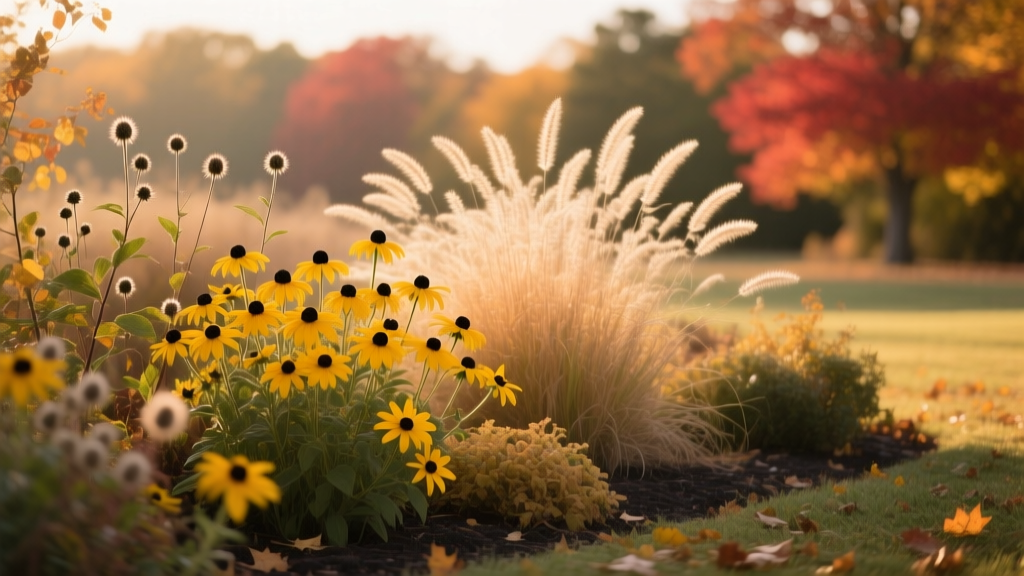
Fall 2026 Native Landscaping: Black-Eyed Susan & Switchgrass
Robert HayesPublished
Redefining Fall Lawn Care in 2026: The Native Advantage
As the crisp air of autumn settles in, the traditional approach to fall lawn care—centered around aeration, overseeding, and synthetic fertilization of turfgrass—is rapidly evolving. In 2026, sustainable landscaping has moved from a niche trend to the industry standard. Homeowners and landscape architects alike are converting underutilized turf areas into vibrant, ecologically functional native plant habitats. At the forefront of this autumnal transformation are two resilient, deeply compatible North American natives: Black-eyed Susan (Rudbeckia hirta) and Switchgrass (Panicum virgatum). By integrating these species into your fall landscaping routine, you not only reduce long-term maintenance but also create a dynamic landscape that thrives through the winter months.
Why Black-Eyed Susan and Switchgrass?
According to the National Wildlife Federation's Garden for Wildlife program, native plant pairings that combine structural grasses with herbaceous perennials provide essential overwintering habitat and late-season forage. Black-eyed Susan offers a brilliant display of golden-yellow blooms well into the fall, eventually forming dark, conical seed heads that are a critical food source for finches, chickadees, and sparrows. Switchgrass, a deep-rooted warm-season grass, provides the architectural backbone. Its dense clumps offer shelter for overwintering insects and small mammals, while its stunning amber and russet fall foliage ensures your garden remains visually striking long after the first frost.
The Fall Planting Window: Timing and Soil Temperatures
Why plant in the fall? While spring is traditionally viewed as the primary planting season, autumn 2026 presents optimal conditions for establishing native perennials and grasses. Soil temperatures in September and October remain warm enough to stimulate vigorous root growth, while cooler ambient air temperatures drastically reduce transplant shock and evaporation rates. For Black-eyed Susans, fall is also the ideal time for dormant seeding. Sowing seeds directly into prepared beds in late November allows them to undergo natural cold stratification over the winter, resulting in higher germination rates and more robust seedlings the following spring.
Step-by-Step Fall Implementation Guide
Step 1: Turf Removal and Site Preparation
Ditch the herbicides. In fall 2026, the preferred method for converting lawn to garden beds is sheet mulching. Mow the existing turf as low as possible, lay down overlapping layers of uncoated cardboard, and top with three to four inches of arborist wood chips. This suppresses the grass naturally while feeding the soil microbiome, creating a rich, weed-free planting bed by early spring.
Step 2: Soil Amendment and Inoculation
Natives generally despise rich, heavily amended soils. Avoid synthetic fall fertilizers and heavy compost top-dressing. Instead, inoculate your planting holes with a high-quality mycorrhizal fungi dip. The Xerces Society for Invertebrate Conservation emphasizes that healthy soil fungi networks are crucial for native plant resilience, particularly for deep-rooted prairie grasses like Switchgrass, which rely on these symbiotic relationships to access deep water reserves during summer droughts.
Step 3: Matrix Planting and Spacing
Abandon traditional row planting. Use a matrix or tapestry planting design, intermingling Switchgrass plugs with Black-eyed Susan drifts. Space Switchgrass plugs 24 to 30 inches apart, and fill the interstitial spaces with Black-eyed Susans spaced 12 to 18 inches apart. This mimics natural prairie ecology, shading out weeds and creating a unified, self-supporting plant community that sways beautifully in the autumn wind.
Autumn Irrigation and Establishment Strategies
Even though fall temperatures are cooler and evaporation rates drop, newly planted native plugs still require consistent moisture to establish their extensive root systems before the ground freezes. In the first two weeks after planting your Switchgrass and Black-eyed Susan plugs, water deeply two to three times a week, providing roughly one inch of water per week. Utilize a soil moisture meter to ensure the water is penetrating the root zone rather than just wetting the surface mulch. As November approaches and the plants begin to enter dormancy, gradually taper off the irrigation. Switchgrass, being a warm-season grass, will naturally stop top growth and focus entirely on subterranean root expansion until soil temperatures drop below 50°F. Black-eyed Susans will form a basal rosette of leaves that hug the ground, protecting the crown from winter winds. By the time the first hard frost arrives, your plants should be fully anchored and ready to explode with growth the following spring.
Cultivar Selection for the Modern Landscape
In 2026, native cultivars have been heavily refined for residential landscapes. For Switchgrass, 'Northwind' remains the gold standard for its rigid, upright habit that withstands heavy snow loads without flopping. 'Shenandoah' is prized for its compact size and early red foliage coloration. For Black-eyed Susan, while the straight species is best for ecological value, 'Goldsturm' offers a slightly longer bloom time, and 'Henry Eilers' provides a unique, quilled petal texture that adds striking architectural interest to the autumn garden. The Lady Bird Johnson Wildflower Center's Native Plant Database remains an invaluable resource for verifying the ecological provenance and specific growing requirements of these regional varieties.
Comparative Data: Black-Eyed Susan vs. Switchgrass
| Feature | Black-Eyed Susan (Rudbeckia hirta) | Switchgrass (Panicum virgatum) |
|---|---|---|
| Plant Type | Herbaceous Perennial / Biennial | Warm-Season Perennial Grass |
| Mature Height | 1.5 to 3 feet | 3 to 6 feet (depending on cultivar) |
| Fall/Winter Interest | Dark seed heads, structural stems | Amber/russet foliage, fluffy seed panicles |
| Wildlife Value | Nectar for pollinators, seeds for birds | Larval host for skippers, winter cover |
| Soil Preference | Well-draining, tolerates poor soils | Adaptable, prefers moist but drought-tolerant |
| Water Needs | Low to Medium | Low once established |
Fall Maintenance: Embracing the 'Messy' Garden
The most crucial aspect of fall lawn care in a native landscape is knowing when to do nothing. Traditional landscaping dictates a fall 'cleanup' where all dead foliage is cut to the ground and bagged. In 2026, ecological landscaping best practices strongly advise against this. Leave the Black-eyed Susan stalks and Switchgrass blades standing throughout the winter. Hollow stems provide essential nesting cavities for native solitary bees, while the standing grasses protect the crowns of the plants from freeze-thaw cycles. Furthermore, leaving the organic matter in place returns vital nutrients to the soil naturally. Delay your cutback until late March or early April, when you can simply chop the debris and leave it as mulch.
2026 Cost Breakdown and Sourcing
Transitioning to natives is an investment that pays dividends in reduced water and maintenance bills. As of late 2026, sourcing high-quality native plugs from specialized growers typically costs between $4.50 and $6.50 per plug. A 100-square-foot bed conversion using a 50/50 mix of Switchgrass and Black-eyed Susan plugs will require approximately 40 plugs, totaling around $200 to $260 in plant material. If you opt for dormant seeding of Black-eyed Susans and planting only Switchgrass plugs, you can reduce material costs by nearly 30%. Investing in arborist wood chips for sheet mulching is often free or very low-cost through local municipal tree care programs, making this an economically sound landscaping upgrade.
Conclusion
Embracing Black-eyed Susan and Switchgrass this autumn transforms the chore of fall lawn care into an act of ecological restoration. By leveraging the fall planting window, utilizing matrix design principles, and adopting a wildlife-friendly winter maintenance approach, you are setting the stage for a vibrant, resilient, and breathtakingly beautiful landscape in 2026 and beyond.

