
Landscaping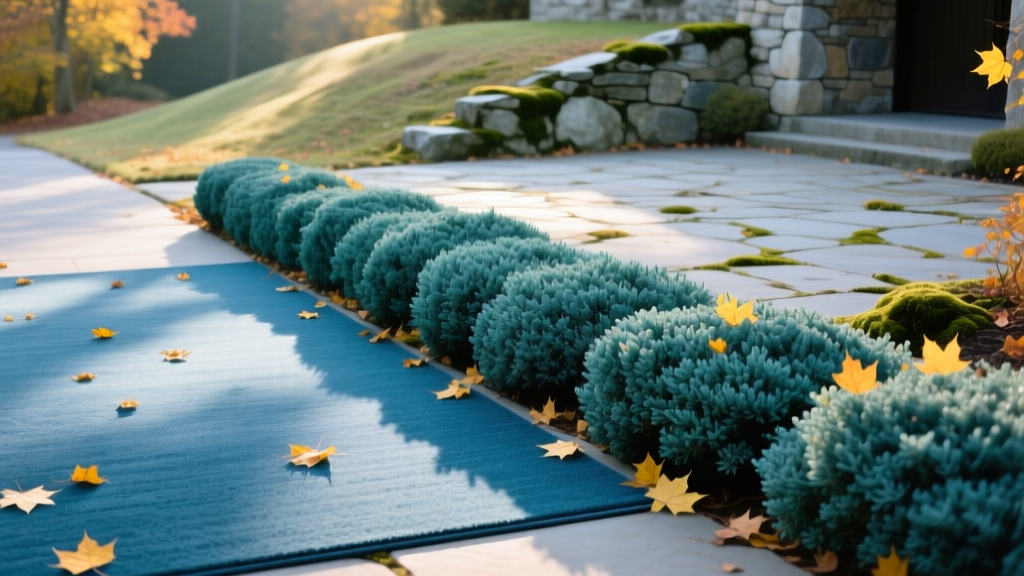
2026 Fall Guide: Low-Growing Juniper Driveway Borders
Lisa ThompsonPublished
Why Fall 2026 is the Perfect Time for Juniper Driveway Borders
As homeowners increasingly look for sustainable, low-maintenance landscaping solutions in 2026, the driveway border has become a prime focal point for curb appeal. Driveway edges endure some of the harshest conditions in any landscape: intense reflected heat from asphalt or pavers in the summer, heavy snow loads, and toxic road salt in the winter. Low-growing junipers are uniquely equipped to handle this abuse while providing year-round evergreen color. While many gardeners mistakenly wait until spring to plant, fall is unequivocally the best season to establish a juniper driveway border.
Planting in the fall—specifically from mid-September through late November—takes advantage of warm soil and cool air temperatures. The warm soil encourages rapid root expansion, while the cooler autumn air significantly reduces transpiration (water loss through the foliage). This combination allows your junipers to establish a robust root system before the ground freezes, giving them a massive head start for the following spring. According to the Clemson University Home & Garden Information Center, fall-planted evergreens experience far less transplant shock and require significantly less supplemental irrigation compared to those planted in the heat of late spring.
Top Low-Growing Junipers for Driveway Edges
Not all junipers are created equal, especially when planted next to a driveway where snowplows and salt runoff are constant threats. You need varieties that stay low to the ground (under 18 inches) to avoid obstructing sightlines and to minimize snow damage. Here are the top performers for 2026 driveway borders:
| Juniper Variety | Mature Height | Spread | Salt Tolerance | Best Fall Planting Window |
|---|---|---|---|---|
| Blue Rug (Wiltonii) | 4 - 6 inches | 6 - 8 feet | High | Early Sept - Mid Oct |
| Bar Harbor | 6 - 12 inches | 6 - 8 feet | Moderate-High | Early Sept - Late Oct |
| Andorra (Plumosa) | 12 - 18 inches | 4 - 6 feet | Moderate | Mid Sept - Early Nov |
| Blue Star | 1 - 3 feet | 1.5 - 3 feet | Low-Moderate | Early Sept - Mid Oct |
For most driveway applications, Blue Rug Juniper (Juniperus horizontalis 'Wiltonii') remains the undisputed champion in 2026. Its silvery-blue foliage hugs the ground tightly, allowing snow to pass right over it without breaking branches, and its high salt tolerance makes it ideal for edges that might catch runoff from salted driveways.
Step-by-Step Fall Planting Guide
1. Hardscape Edging and Trenching
Before you dig a single hole for your plants, you must define the border. Driveway edges are prone to soil erosion and mulch washout. In 2026, permeable aluminum or heavy-duty polyethylene edging is the industry standard. Install an edging barrier that sits at least 2 inches above the soil grade on the driveway side. This creates a physical dam that prevents road salt, sand, and snowmelt from washing directly into the juniper's root zone. Dig a trench about 6 inches deep along the driveway edge, seat your edging, and backfill firmly.
2. Soil Preparation and Drainage
Junipers despise wet feet. Driveway borders often become accidental catch basins for runoff from the paved surface. To ensure survival, you must prioritize drainage. Test your soil percolation by digging a test hole and filling it with water; if it takes more than 4 hours to drain, you need to amend the soil. For heavy clay soils common in many regions, mix native soil with a 50/50 blend of coarse pine bark fines and expanded shale. Avoid adding rich compost or peat moss, as junipers thrive in lean, slightly alkaline, and well-draining soils. The University of Minnesota Extension notes that ensuring proper soil grading away from the crown is critical for evergreen survival in freeze-thaw cycles.
3. Proper Spacing and Planting Depth
When planting Blue Rug or Bar Harbor junipers, space them 4 to 5 feet apart. This allows them to knit together into a solid mat within two growing seasons without overcrowding, which can lead to fungal diseases like Phomopsis blight. Dig the planting hole twice as wide as the nursery container but exactly the same depth. Crucial Fall Tip: Plant the juniper so the root flare is slightly elevated (about 1 inch above grade). Soil settles over the winter, and planting too deep is the number one killer of fall-planted evergreens.
Winterizing Your New Fall-Planted Junipers
Because your junipers are newly planted in the fall, their root systems are not yet fully established by the time winter arrives. Winter desiccation—where the sun and wind pull moisture from the needles faster than the frozen ground can replace it—is a major threat.
- Deep Watering: Continue to water your junipers deeply once a week until the ground freezes solid. A slow, 30-minute soak with a hose at the base of each plant is ideal.
- Mulching: Apply a 2-inch layer of shredded cedar or pine bark mulch over the root zone. Keep the mulch at least 3 inches away from the main stem to prevent rodent damage and stem rot.
- Anti-Desiccant Spray: In late November or early December, apply an organic anti-desiccant spray (like Wilt Pruf) to the foliage. This coats the needles in a protective polymer that reduces moisture loss during harsh winter winds.
- Salt Protection: If your driveway is heavily salted, consider using a calcium chloride-based ice melt instead of sodium chloride, as it is far less toxic to landscape plants. Alternatively, lay down a temporary burlap screen on the driveway side of the border during the peak snow-removal months.
2026 Cost Breakdown for a 50-Foot Driveway Border
Budgeting accurately is essential for any landscaping project. Here is a realistic cost breakdown for installing a 50-foot long, 3-foot wide Blue Rug Juniper border in the fall of 2026:
- Plants: 12 one-gallon Blue Rug Junipers (spaced ~4 feet apart) at $22 each = $264
- Hardscape Edging: 50 feet of premium aluminum landscape edging with stakes = $145
- Soil Amendments: 3 bags of expanded shale and pine bark fines = $45
- Mulch: 15 cubic feet of shredded cedar mulch = $60
- Anti-Desiccant Spray: 1 quart ready-to-use bottle = $18
- Total Estimated DIY Cost: $532
While hiring a professional landscaping crew in 2026 will typically add $800 to $1,200 in labor and design fees for a project of this size, the DIY route is highly manageable over a single autumn weekend.
Common Fall Planting Mistakes to Avoid
Even experienced gardeners can stumble when planting evergreens in the autumn. Avoid these common pitfalls to ensure your driveway border thrives:
Fertilizing in the Fall: Never apply high-nitrogen synthetic fertilizers to newly planted junipers in the fall. Nitrogen pushes tender, new green growth that will be instantly killed by the first hard frost. Wait until the following spring to apply a slow-release, balanced evergreen fertilizer.
Pruning Before Winter: Resist the urge to tidy up or shape your junipers right after planting. Pruning stimulates growth and opens up wounds that can dry out or invite disease during the winter. Wait until late spring to lightly trim any wayward branches.
Ignoring Snowplow Paths: If your driveway border is at the end of the driveway where the snowplow pushes the final pile of snow, do not plant junipers directly in the impact zone. The sheer weight of compacted snow and ice will crush even the hardiest Blue Rug. Leave a 3-foot buffer at the very end of the driveway, or use large, decorative boulders in that specific zone to absorb the plow's impact.
By taking advantage of the fall planting window and selecting the right low-growing varieties, your juniper driveway border will provide stunning, erosion-controlling, and salt-tolerant curb appeal for decades to come.

