Pest Control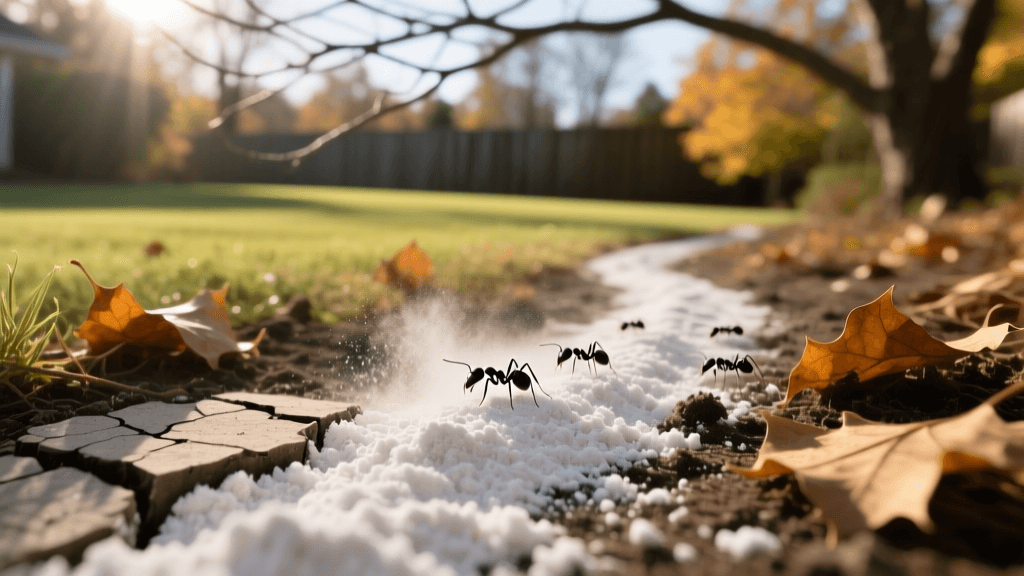
Fall 2026 Guide: Food-Grade Diatomaceous Earth for Ant Trails
The Fall Ant Threat: Why Autumn 2026 Requires Proactive Care
As the autumn leaves begin to drop and temperatures fluctuate in the fall of 2026, your lawn and garden enter a critical transition period. Unlike previous decades, shifting climate patterns have resulted in extended warm spells well into November, meaning ant colonies remain highly active longer into the autumn season. During this time, species like pavement ants, odorous house ants, and carpenter ants are aggressively foraging for carbohydrates and proteins to sustain their queens through the winter. Furthermore, as nighttime temperatures drop, these pests begin seeking the residual warmth of your home's foundation, turning your carefully maintained lawn perimeter into a superhighway for invasion.
Effective fall lawn care is not just about aeration, overseeding, and leaf removal; it is equally about integrated pest management (IPM). Securing your property against overwintering pests is a vital step in maintaining a healthy landscape. One of the most effective, non-toxic, and environmentally responsible methods for disrupting fall ant trails is the strategic application of food-grade diatomaceous earth (DE).
What is Food-Grade Diatomaceous Earth?
Diatomaceous earth is a naturally occurring, soft sedimentary rock formed from the fossilized remains of microscopic aquatic organisms called diatoms. When crushed into a fine powder, it consists primarily of amorphous silica. To understand its efficacy, it is crucial to distinguish between the two main types of DE available on the market in 2026:
- Food-Grade DE: This is the uncalcined form, containing less than 1% crystalline silica. It is safe for use around humans, pets, and edible gardens, making it the only acceptable choice for residential lawn and perimeter pest control.
- Filter-Grade (Pool-Grade) DE: This type undergoes calcination, turning the silica into a crystalline form that is highly toxic to inhale and completely unsuitable for pest control or use in areas where people and pets roam.
According to the National Pesticide Information Center (NPIC), DE works through a mechanical, rather than chemical, action. The microscopic, razor-sharp edges of the silica particles lacerate the waxy outer coating of an ant's exoskeleton. As the insect crawls through the powder, it loses its ability to retain moisture, ultimately leading to death by desiccation within 24 to 48 hours. Because it is a physical mechanism, ants cannot develop biological resistance to it, making it a cornerstone of sustainable IPM strategies.
Step-by-Step Application for Fall Ant Trails
Applying DE requires precision and an understanding of autumn weather patterns. Here is how to effectively target ant trails in your lawn and garden beds this fall.
Step 1: Map the Foraging Trails
Before applying any treatment, observe your lawn during peak foraging hours—typically mid-morning and late afternoon. Look for lines of ants traversing your grass, moving along the edges of walkways, or climbing up the bark of autumn-stressed trees. Pay special attention to the transition zones where your lawn meets mulch beds, retaining walls, and your home's foundation.
Step 2: Prepare the Lawn Perimeter
Fall lawn care tasks like leaf blowing and dethatching naturally aid in pest control. Ants thrive in the damp, insulated environment provided by thick layers of wet autumn leaves. By thoroughly clearing leaf litter and debris from your lawn's perimeter, you expose their trails and remove their protective canopy, making the environment far less hospitable and your DE application much more effective.
Step 3: Apply Using a Bulb Duster
Moisture is the natural enemy of diatomaceous earth. When DE gets wet from fall dew or rain, it clumps and loses its abrasive, desiccating properties until it dries out completely. To combat this, apply the powder using a specialized bulb duster or a bellows hand duster. This tool allows you to apply a microscopically thin, barely visible layer of dust directly onto the ant trails, into lawn expansion joints, and along the foundation. Ants will not cross a thick, visible pile of white powder; they must walk through a light dusting so the particles cling to their bodies.
Managing Fall Dew and Rainfall
The autumn of 2026 has brought unpredictable precipitation to many regions. Heavy morning dew and frequent fall showers can render outdoor DE applications ineffective if not managed properly. To maximize longevity:
- Target Sheltered Areas: Focus your applications under the eaves of your home, beneath the dense canopies of evergreen shrubs, and inside the lips of window wells where rain cannot easily reach.
- Use a Moisture Barrier: For critical foundation entry points, apply the DE and then cover it with a piece of corrugated plastic or a flat stone. This protects the powder from rain while still allowing ants to crawl underneath and contact the treatment.
- Reapply Proactively: Keep a shaker bottle handy. After a heavy autumn rainstorm passes and the surfaces have dried, a quick, light reapplication will restore your perimeter defense.
Comparison Chart: Fall Ant Control Methods in 2026
When deciding how to manage fall ant populations, homeowners have several options. Below is a comparison of the most common treatments available this year, evaluating their suitability for autumn lawn care.
| Control Method | Active Ingredient | Kill Speed | Fall Efficacy | Pet & Pollinator Safety |
|---|---|---|---|---|
| Food-Grade DE | Amorphous Silica | 24-48 Hours | High (Requires dry conditions) | Safe for pets; Non-selective to insects |
| Liquid Borax Baits | Sodium Tetraborate | 24-72 Hours | Excellent (Ants carry it to the winter nest) | Low toxicity to pets; Safe for pollinators |
| Bifenthrin Sprays | Bifenthrin (Pyrethroid) | Immediate | High (Creates a chemical barrier) | Highly toxic to aquatic life and bees |
| Essential Oil Sprays | Peppermint/Clove Oil | Immediate (Contact only) | Low (Repels but does not eliminate colony) | Generally safe; Strong odor |
As highlighted by the University of California Integrated Pest Management program, combining physical barriers like DE with slow-acting baits provides the most comprehensive fall defense, as baits are carried back to the nest to eliminate the overwintering queen.
Protecting Fall Pollinators and Beneficial Insects
While food-grade DE is non-toxic to mammals, it is a non-selective insecticide, meaning it will harm any insect that comes into contact with it, including beneficial predators and late-season pollinators. In the fall, bees, butterflies, and beneficial wasps are still actively visiting late-blooming plants like asters, goldenrod, and sedum to gather final nectar reserves before winter.
To protect these vital insects, never apply DE to the blooms, leaves, or stems of flowering plants. Restrict your application strictly to the soil surface, ant trails, pavement cracks, and the foundation of your home. By targeting the specific pathways used by crawling pests, you preserve the delicate balance of your garden's ecosystem while still defending your property.
Frequently Asked Questions
Is food-grade DE safe for my dogs and cats playing in the fall yard?
Yes. Food-grade DE is generally recognized as safe (GRAS) by the FDA for use in food products. While you should avoid creating large dust clouds that your pets could inhale, once the dust settles on the lawn or pavement, it poses no toxic threat to dogs or cats playing in the yard.
How much does food-grade DE cost in 2026?
Pricing has remained relatively stable. A high-quality, OMRI-listed 4-pound bag of food-grade diatomaceous earth typically costs between $18 and $28 at major home improvement and garden centers. This single bag is usually more than enough to treat the perimeter of an average suburban lawn for the entire autumn season.
Should I apply DE before or after fall aeration?
Always apply DE after you have completed your heavy fall lawn maintenance tasks. Core aeration, dethatching, and aggressive leaf blowing will disturb the soil and disrupt any pest barriers you have laid down. Finish your mechanical lawn care first, then apply your DE perimeter treatments as the final step in your autumn preparation.
Can I mix DE with water to spray it on my lawn?
While some gardeners mix DE with water to spray it onto hard-to-reach areas, it only becomes effective once the water completely evaporates and the powder returns to a dry, dusty state. Given the high humidity and frequent rains of the fall season, dry application via a duster is vastly superior and more reliable for immediate ant trail disruption.
By integrating food-grade diatomaceous earth into your 2026 fall lawn care regimen, you can effectively halt ant invasions, protect your home's foundation from overwintering pests, and maintain a thriving, ecologically balanced landscape heading into the winter months. For more localized advice on identifying specific regional ant species, consult your local cooperative extension office or refer to the University of Minnesota Extension guidelines on ant management.