Gardening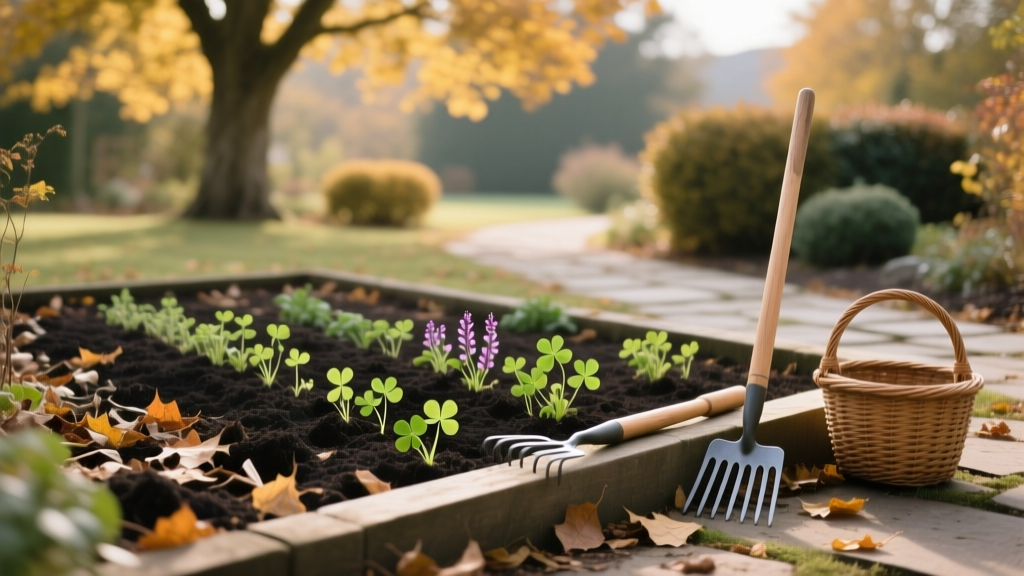
Essential Fall Garden Cleanup: Soil Prep and Pest Control
Lisa ThompsonPublished
The Science of Autumn Garden Maintenance
As the growing season winds down and the first crisp autumn breezes arrive, many gardeners are tempted to simply close the gate and wait for spring. However, the actions you take during fall garden cleanup dictate the health, vitality, and pest resistance of your garden next year. Seasonal maintenance is not just about tidying up; it is a critical window for soil preparation, disease eradication, and setting the stage for robust spring growth. In this comprehensive guide, we will explore the science and strategy behind autumn garden maintenance, focusing on soil health, integrated pest management, and preparing your beds for the winter freeze.
Step 1: Strategic Debris Removal for Pest and Disease Control
When it comes to clearing out dead plant material, a blanket approach of removing everything can actually harm your local ecosystem and deprive your soil of organic matter. The goal is to eliminate habitats for overwintering pests and fungal pathogens while preserving shelters for beneficial insects. According to the Cornell University Cooperative Extension, many devastating garden diseases, such as early blight, late blight, and powdery mildew, survive the winter on infected plant debris left in the garden bed. By removing specific crops, you break the disease cycle and drastically reduce the inoculum load for the following spring.
However, leaving certain healthy plant stems standing provides vital overwintering habitat for native pollinators and predatory insects. Below is a strategic guide on what to remove and what to leave in your garden beds.
| Plant Type / Condition | Action | Reasoning |
|---|---|---|
| Tomatoes, Peppers, Eggplants | Remove Completely | High risk of harboring blight spores, verticillium wilt, and root-knot nematodes. |
| Squash, Melons, Cucumbers | Remove Completely | Eliminates overwintering sites for squash vine borers and powdery mildew. |
| Asparagus Ferns | Leave Until Early Spring | Traps insulating snow to protect the crown; cut back only after hard freezes. |
| Healthy Native Flower Stems | Leave Standing | Hollow stems provide essential nesting sites for solitary native bees and ladybugs. |
| Brassicas (Cabbage, Kale) | Remove or Till Under | Prevents cabbage loopers and clubroot disease from persisting in the soil. |
'Leaving the stems of native perennials standing through the winter provides essential overwintering habitat for solitary bees and ladybugs, which are vital for natural pest control in the spring.' — Dr. Doug Tallamy, Entomologist and Author
Step 2: Soil Testing and Targeted Amendments
Fall is the absolute optimal time for soil testing. Sending samples to a university extension lab or a reputable private agronomy lab (typically costing $15 to $30 per sample) gives you a baseline of your soil's macronutrients, micronutrients, and pH levels. If your pH needs adjusting, fall applications of soil amendments have the entire winter to react with the soil matrix, ensuring they are bioavailable by spring planting.
- To Raise pH (Sweeten Soil): Apply pelletized limestone. For moderately acidic soils (pH 5.5 to 6.0), apply 5 to 10 pounds of lime per 100 square feet. Incorporate it into the top 6 inches of soil using a broadfork or garden fork.
- To Lower pH (Acidify Soil): Apply elemental sulfur. To lower pH by one full point, apply roughly 2 pounds of sulfur per 100 square feet. This is ideal for preparing beds for acid-loving crops like blueberries or potatoes.
- Phosphorus and Potassium: Unlike nitrogen, which leaches easily, phosphorus (bone meal) and potassium (greensand or kelp meal) are slow-release. Applying them in the fall allows soil microbes to break them down over the winter.
Step 3: Planting Cover Crops (Green Manure)
Bare soil is vulnerable soil. Winter rains and snowmelt can leach valuable nutrients, compact the soil structure, and cause severe topsoil erosion. Planting a cover crop, often called green manure, protects the soil architecture, suppresses winter weeds, and adds massive amounts of organic matter. You should sow cover crops about 4 to 6 weeks before your first expected hard frost.
Top Cover Crop Choices for Home Gardeners
- Winter Rye: The workhorse of cover crops. It germinates in temperatures as low as 34°F and produces immense biomass. Seeding rate: 2 to 3 lbs per 1,000 sq ft. Cost: ~$15 for a 5 lb bag. Termination: Cut down at the soil line 3 weeks before spring planting.
- Crimson Clover: A beautiful legume that fixes atmospheric nitrogen into the soil via symbiotic root bacteria. Seeding rate: 1 to 2 lbs per 1,000 sq ft. Cost: ~$25 for a 5 lb bag. Termination: Winter-kills in zones 6 and below, creating a natural mulch mat.
- Hairy Vetch: Extremely cold-hardy nitrogen fixer that pairs well with winter rye. Seeding rate: 2 lbs per 1,000 sq ft. Cost: ~$30 for a 5 lb bag. Termination: Must be mowed or crimped before it sets seed in spring.
Step 4: Tool Sanitization and Winterization
Your garden tools can be vectors for disease. Sanitizing pruning shears, loppers, hoes, and trowels prevents the mechanical transmission of viruses like Tomato Mosaic Virus (ToMV) and bacterial canker. Neglecting tool maintenance over the winter leads to rusted, dull, and broken equipment that will frustrate you during the busy spring rush.
- Clean: Scrub off all caked-on mud and sap using a wire brush and warm soapy water.
- Sanitize: Create a sanitizing solution using 1 part household bleach to 9 parts water. Wipe down all metal blades, let them sit for 5 minutes, and then rinse and dry thoroughly to prevent rust.
- Sharpen: Use a bastard file or diamond sharpening stone to hone the edges of hoes, shovels, and pruners. Maintain a consistent 20-degree bevel angle.
- Protect: Apply a light coat of boiled linseed oil to all wooden handles to prevent the wood from drying out and cracking in low winter humidity. Wipe metal blades with a rag soaked in mineral oil or WD-40 to displace moisture.
Step 5: Composting Best Practices for Fall Debris
Not all debris should go to the municipal yard waste bin. Healthy leaves, pulled weeds (without seed heads), and spent flower stalks can be composted to create black gold for next year. However, fall composting requires strict temperature management to ensure pathogens and weed seeds are destroyed.
To kill fungal spores, nematodes, and weed seeds, your compost pile must reach and maintain temperatures between 130°F and 150°F for at least three consecutive days. Achieving this hot composting environment requires balancing your Carbon-to-Nitrogen (C:N) ratio.
- Carbon (Browns): Shredded autumn leaves, straw, and chopped corn stalks. (Tip: Always run dry leaves through a mulching mower before composting; whole leaves mat together and create anaerobic, smelly pockets).
- Nitrogen (Greens): Fresh kitchen scraps, coffee grounds, and pulled legume plants.
- The Golden Ratio: Aim for a 30:1 C:N ratio by volume. In the fall, this usually means mixing 3 to 4 parts shredded leaves with 1 part fresh kitchen scraps or manure.
Protecting the Soil Food Web
Finally, avoid the temptation to apply synthetic, fast-release nitrogen fertilizers in late fall. While the above-ground growth has ceased, the subterranean soil food web—comprising mycorrhizal fungi, earthworms, and beneficial bacteria—remains active until the ground freezes solid. High concentrations of synthetic salts can dehydrate and harm these vital microbes. Instead, top-dress your beds with a 1-inch layer of finished compost or well-rotted manure. This provides a slow, steady buffet for soil microbes, ensuring that when the soil thaws in spring, a vibrant, living ecosystem is ready to support your new transplants and seeds.
By approaching your fall garden cleanup not as a chore, but as the first step in next year's harvest, you build a resilient, healthy garden that naturally resists pests and produces higher yields with less intervention.
