Gardening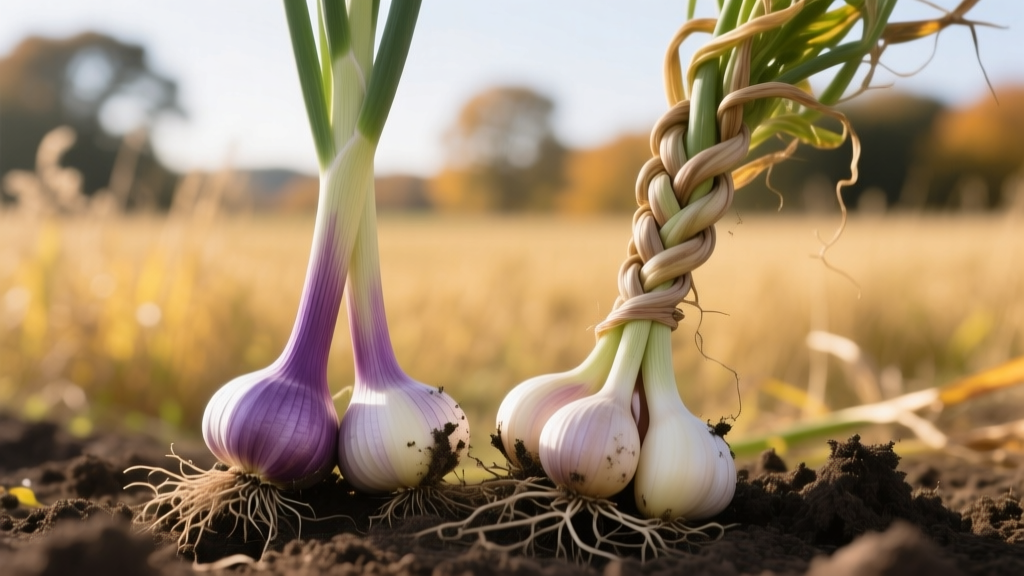
2026 Fall Garlic Planting: Hardneck vs Softneck & Aeration Guide
Lisa ThompsonPublished
The 2026 Garlic Renaissance: Why Aeration and Seeding Matter
As we enter the 2026 fall gardening season, home growers and market farmers alike are recognizing that the secret to massive, robust garlic bulbs lies not just in the seed you select, but in the physical structure of the soil you plant it in. Garlic (Allium sativum) is unique among garden crops because its primary planting window occurs in the autumn, requiring the cloves to overwinter and establish root systems before the spring thaw. When approaching garlic cultivation from an 'aeration and seeding' perspective, we treat the individual cloves as seeds and the soil bed as a carefully managed ecosystem that requires optimal oxygen flow, drainage, and physical looseness.
Unlike tomatoes or peppers that can be planted into slightly compacted beds and still manage to produce, garlic bulbs expand radially beneath the soil surface. If the soil is dense, compacted, or suffers from a hardpan layer just a few inches below the surface, the developing bulbs will deform, split, or stunt entirely. Therefore, mastering soil aeration techniques prior to your fall seeding is the single most critical step you can take this year. According to the University of Minnesota Extension, garlic thrives in loose, well-drained loam, making mechanical aeration and organic matter integration non-negotiable for premium harvests.
In this comprehensive 2026 guide, we will break down the vital differences between hardneck and softneck garlic varieties, explore the best soil aeration methods for heavy clay and turf-converted beds, and provide a precise timeline for your fall seeding.
Hardneck vs. Softneck: Selecting Your 2026 Seed Garlic
Before you can begin the seeding process, you must choose the right genetics for your specific climate zone and culinary preferences. Garlic is broadly categorized into two main subspecies: Hardneck (Allium ophioscorodon) and Softneck (Allium sativum var. sativum). In 2026, seed garlic prices have stabilized at approximately $28 to $38 per pound for certified disease-free stock, making it crucial to choose wisely.
Hardneck varieties are the descendants of wild garlic and are characterized by a stiff, central flowering stalk known as a 'scape.' They are exceptionally cold-hardy, making them the undisputed champions for gardeners in USDA Zones 3 through 6. Hardnecks produce fewer, but significantly larger, cloves that are easy to peel, and they offer complex, robust flavor profiles ranging from deep earthy tones to fiery, spicy kicks. However, their papery skins are thinner, meaning they typically store for only 4 to 6 months after harvest.
Softneck varieties, on the other hand, lack the rigid central scape, leaving a soft, braidable neck of leaves. They are better suited for milder climates (Zones 7 through 9) but can be grown in colder zones with heavy winter mulch. Softnecks produce multiple layers of cloves—often 12 to 20 per bulb—though the inner cloves can be quite small. Their thick, tightly wrapped skins grant them an exceptional shelf life of 9 to 12 months, making them the standard for commercial supermarket garlic and long-term pantry storage.
2026 Variety Comparison Chart
| Feature | Hardneck (e.g., Music, Chesnok Red, German Red) | Softneck (e.g., California Early, Inchelium Red, Silver Rose) |
|---|---|---|
| Climate Preference | Cold winters (Zones 3-6); requires vernalization | Mild winters (Zones 7-9); adaptable to warmer zones |
| Scape Production | Yes (must be snapped in late spring for bulb growth) | No (rarely produces scapes) |
| Clove Size & Count | Large, uniform cloves; 4-12 per bulb | Variable sizes; 12-20+ cloves in overlapping layers |
| Storage Life | Short (4-6 months) | Long (9-12 months) |
| Peeling Ease | Very Easy | Moderate to Difficult (tight skins) |
The Aeration Angle: Preparing Compacted Soil for Bulb Expansion
The most common mistake gardeners make during the fall seeding window is ignoring soil compaction. Garlic roots are relatively shallow, extending only 6 to 8 inches deep, but the bulb itself needs a loose, friable environment to swell. If you are converting a section of your lawn into a garden bed, or if your existing vegetable garden suffers from heavy foot traffic and clay-heavy soil, aeration is your primary defense against misshapen bulbs.
According to research highlighted by SARE's Building Soils for Better Crops, maintaining soil porosity is essential for root respiration and water infiltration. When soil pores are crushed, oxygen levels plummet, and anaerobic conditions can invite bulb-rot pathogens like Fusarium and Pythium.
Broadforking vs. Core Aeration
For established garden beds, the gold standard for 2026 soil aeration is the broadfork. Unlike a gas-powered rototiller—which pulverizes soil structure, destroys beneficial fungal networks, and brings dormant weed seeds to the surface—a broadfork gently lifts and fractures the soil. By stepping the tines 8 inches deep and pulling back on the handles, you create deep fissures that allow oxygen and water to penetrate without inverting the soil layers. This preserves the soil microbiome while eliminating the hardpan that restricts garlic bulb expansion.
If you are seeding garlic directly into a recently killed turf area or a heavily compacted clay patch, mechanical core aeration is highly recommended. Using a stand-on or walk-behind core aerator, pull 3-inch deep plugs of soil and leave them on the surface to break down. This physically removes cores of compacted earth, creating immediate channels for drainage. Following core aeration, top-dress the bed with an inch of finished compost and coarse horticultural sand to ensure the holes remain open and friable throughout the winter months.
Seeding Techniques: Prepping and Planting the Cloves
Once your soil is properly aerated and amended, it is time to focus on the seeding process. Unlike true seeds, garlic is propagated vegetatively via cloves. The size of the seed clove directly correlates to the size of the harvested bulb; therefore, always select the largest, plumpest outer cloves for planting, and reserve the smaller inner cloves for culinary use.
Crack your seed garlic heads apart no more than 24 to 48 hours before planting. Leaving the papery husk intact on the clove is vital, as it protects the embryonic plant from soil-borne diseases and rot during the damp winter months. To further protect your seed stock, many 2026 organic growers utilize a pre-planting soak. Submerge the separated cloves in a solution of one gallon of water, one tablespoon of baking soda, and a splash of liquid seaweed for 15 minutes prior to seeding. This alkaline bath deters fungal spores and provides a trace mineral boost to encourage rapid root emergence.
When seeding, use a dibbler or a trowel to dig individual holes. Plant the cloves flat-side down and pointed-side up. The flat side is where the basal plate resides, and it must be in direct contact with the soil to push roots downward efficiently. Plant cloves 2 inches deep (measured from the soil surface to the tip of the clove) and space them 6 inches apart in rows that are 12 inches apart. This spacing ensures adequate airflow once the spring foliage emerges, reducing the risk of rust and downy mildew.
Fall Timing: Reading the Soil in 2026
Timing your fall seeding correctly is a delicate balancing act. The goal is to plant the garlic late enough that the cloves do not send up green shoots above the soil line before winter (which can be damaged by severe freezes), but early enough that the basal plate develops a robust network of roots to anchor the plant through frost heave.
The Cornell University Garlic Project recommends using soil temperature, rather than calendar dates, as your primary trigger. Utilizing a modern digital soil thermometer, measure the temperature at a depth of 2 inches in the morning. The ideal seeding window opens when the soil temperature consistently drops to between 47°F and 50°F. In most northern climates, this aligns with 4 to 6 weeks before the ground is expected to freeze solid. In southern zones, gardeners often wait until late November or even early December, sometimes utilizing a brief refrigeration period (vernalization) for hardneck varieties to trick the cloves into believing they have experienced a winter.
Winter Mulching and Spring Expectations
Immediately after seeding, water the bed deeply to settle the aerated soil around the cloves and eliminate large air pockets. Once the ground temperature drops near freezing, apply a 4 to 6-inch layer of seed-free straw or shredded leaves. This mulch layer acts as an insulating blanket, preventing the extreme freeze-thaw cycles of late winter from pushing the shallow-rooted cloves out of the ground.
By treating your garlic cultivation as a precise exercise in soil aeration and strategic seeding, you set the stage for a spectacular 2027 summer harvest. When the snow melts and the soil warms, your well-aerated beds will allow the garlic to surge into vigorous spring growth, ultimately rewarding you with the largest, most flavorful bulbs your garden has ever produced.
