Gardening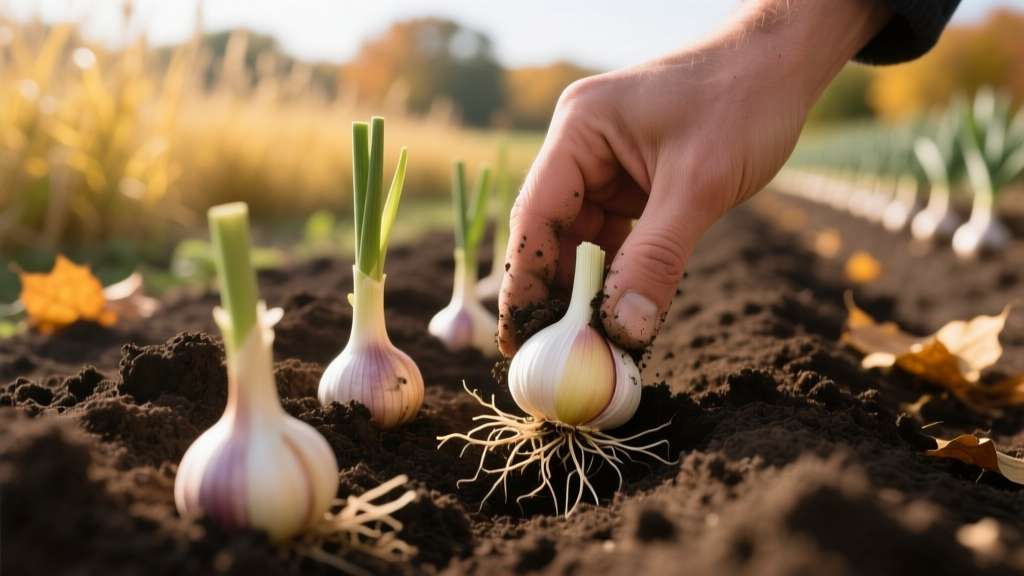
Fall 2026 Garlic Planting: Hardneck vs Softneck & Core Aeration
Mike RodriguezPublished
The Secret to Massive 2027 Harvests: Core Aeration for Garlic
As we approach the fall 2026 planting season, gardeners and small-scale market farmers are preparing for one of the most rewarding crops in the allium family: garlic. While selecting the right seed stock and timing your planting are critical, the most overlooked factor in achieving massive, disease-free bulbs is soil structure. Specifically, the application of core aeration and deep soil fracturing techniques prior to planting. Garlic bulbs expand radially beneath the surface. If your soil suffers from compaction or a dense hardpan layer, the physical resistance will stunt bulb development, leading to deformed cloves and an increased risk of fungal rot during wet spring thaws.
Unlike preparing a seedbed for delicate carrots or lettuce, garlic requires deep, loose, and exceptionally well-draining soil. According to the University of Minnesota Extension, garlic thrives in well-drained, loamy soils rich in organic matter. However, years of foot traffic, heavy spring rains, and improper rototilling can create a compacted subsoil layer that restricts root growth. This is where core aeration comes into play. While lawn care professionals use heavy, gas-powered core aerators to pull plugs from turfgrass, vegetable gardeners must adapt these principles using manual broadforks, deep-tine garden forks, or specialized walk-behind core aerators for larger plots to relieve compaction without destroying the vital soil food web.
Why Core Aeration Beats Rototilling for Garlic Beds
For decades, the standard advice was to fire up a rear-tine rototiller and churn the garden bed into a fine powder before planting garlic in the fall. Modern soil science strongly advises against this. Rototilling destroys soil aggregates, severs beneficial mycorrhizal fungal networks, and often creates a compacted 'hardpan' layer exactly six to eight inches below the surface—precisely where a mature garlic bulb wants to sit and expand.
By utilizing core aeration and deep-tine fracturing (often achieved with a broadfork), you pull physical plugs of soil or fracture the earth vertically. This introduces vital oxygen into the root zone, improves water infiltration, and maintains the structural integrity of the soil. In 2026, many market gardeners are adopting battery-powered, walk-behind core aerators or manual broadforks from brands like Meadow Creature to prep their allium beds. The result? A loose, friable soil column that allows garlic roots to plunge deep and bulbs to swell without restriction.
Hardneck vs. Softneck Garlic: Selecting the Right Variety for 2026
Once your soil is properly aerated and prepped, the next crucial decision is selecting the right garlic variety. Garlic (Allium sativum) is broadly divided into two main subspecies: Hardneck and Softneck. Your choice should be dictated by your local climate, your culinary preferences, and your storage needs. In 2026, premium organic seed garlic prices are averaging between $28 and $35 per pound, making it essential to choose the right type for your specific hardiness zone to ensure a high return on investment.
| Feature | Hardneck Garlic (Allium sativum var. ophioscorodon) | Softneck Garlic (Allium sativum var. sativum) |
|---|---|---|
| Climate Tolerance | Extremely cold-hardy; thrives in harsh winters (Zones 3-7). | Prefers milder winters; best for Zones 6-9. |
| Flavor Profile | Complex, robust, and often spicy when raw; rich when roasted. | Milder, classic 'supermarket' garlic flavor; less heat. |
| Clove Count | Fewer, larger cloves (typically 4-12 per bulb) arranged in a single ring. | Many smaller cloves (10-40 per bulb) arranged in multiple overlapping rings. |
| Scapes | Produces edible, curling flower stalks (scapes) in early summer. | Rarely produces scapes. |
| Storage Life | Shorter shelf life (4-6 months post-cure). | Excellent storage life (9-12 months post-cure). |
| Top 2026 Varieties | 'Music', 'Chesnok Red', 'Spanish Roja', 'German Red' | 'Inchelium Red', 'Silver Rose', 'Lorz Italian', 'California Early' |
As noted by researchers at Penn State Extension, hardneck varieties are generally preferred by northern growers because they produce scapes—a highly sought-after early summer delicacy that can be sold at farmers' markets or used in pestos. Removing the scape also redirects the plant's energy back into the bulb, increasing overall yield. Conversely, softneck varieties are the undisputed champions of long-term storage and are the only type suitable for traditional garlic braiding.
Fall Timing: When to Plant Based on Your Hardiness Zone
Timing is everything. Garlic requires a prolonged cold period (vernalization) to trigger the physiological process that divides the single planted clove into a multi-clove bulb. If you plant too early, the tops will grow too vigorously before winter, making them susceptible to frost damage. If you plant too late, the clove will not establish a sufficient root system to survive the winter freeze. The goal for the fall 2026 season is to plant the cloves so that they develop extensive roots but send up little to no green top growth before the ground freezes solid.
- Zones 3-5 (Northern Tier & Canada): Plant between late September and mid-October. The ground freezes early here, and cloves need 4 to 6 weeks of unfrozen soil to establish roots.
- Zones 6-7 (Mid-Atlantic & Transition Zones): Plant between mid-October and mid-November. Wait until the soil temperature at a 2-inch depth drops below 60°F (15°C).
- Zones 8-9 (Deep South & Mild Coasts): Plant from late November through December. Because these zones lack a natural deep freeze, softneck varieties are preferred. Hardnecks grown here often require 'pre-chilling' in the refrigerator for 8-10 weeks before planting to simulate winter.
Step-by-Step Soil Prep: Core Aeration and Amendment
To maximize your 2027 harvest, follow this actionable soil preparation protocol that prioritizes aeration and drainage. Maintaining optimal soil health is a core principle championed by the USDA Natural Resources Conservation Service, which emphasizes minimizing soil disturbance to preserve organic matter and microbial life.
Step 1: Soil Testing and pH Adjustment
Garlic prefers a slightly acidic to neutral pH, ideally between 6.0 and 7.0. If your soil is too acidic, incorporate agricultural lime in late summer, well before your fall planting date. Garlic is a heavy feeder, particularly regarding nitrogen and sulfur, which contribute to its signature pungency.
Step 2: Core Aeration and Deep Fracturing
Instead of tilling, use a broadfork or a deep-tine garden fork. Insert the tines into the soil to a depth of 10 to 12 inches. Pull back gently on the handles to fracture the soil crust and lift the earth slightly, allowing air and water to penetrate. Do not turn the soil over. If you are managing a large market garden plot (over a quarter-acre), consider using a walk-behind core aerator to physically pull 3-inch plugs of soil, leaving the plugs on the surface to break down naturally. This dramatically reduces bulk density and prevents standing water during the winter months.
Step 3: Top-Dressing with Compost
After aerating, spread a 1 to 2-inch layer of high-quality, screened compost over the bed. The compost will slowly filter down into the aeration channels, feeding the soil biology without burying it. Avoid using fresh manure in the fall, as the excess nitrogen can promote lush, weak top growth that will die back in the frost, and it increases the risk of bulb rot.
Step 4: Clove Preparation and Spacing
Break your seed garlic bulbs into individual cloves no more than 24 hours before planting to prevent the basal plate (the root nub) from drying out. Select only the largest, plumpest outer cloves for planting; use the tiny inner cloves for cooking. Plant the cloves pointy-side up, 2 inches deep, and space them 6 inches apart in rows that are 12 inches apart. This spacing ensures adequate airflow, which is critical for preventing fungal diseases like white rot or downy mildew in the humid spring months.
Step 5: Winter Mulching
Immediately after planting, cover the bed with 4 to 6 inches of seed-free straw or shredded leaves. This thick mulch layer acts as an insulator, preventing the severe freeze-thaw cycles of late winter from 'heaving' the young garlic cloves out of the soil. In the spring of 2027, once the green shoots begin to push through, you can pull back the mulch slightly to allow the soil to warm, or leave it in place to suppress early spring weeds and retain moisture during the critical bulbing phase in May and June.
Conclusion
Successful garlic cultivation is a long game that bridges two calendar years. By focusing on the often-ignored mechanics of soil structure through core aeration and deep fracturing, you create the perfect subterranean environment for bulbs to expand. Combine this advanced soil prep with the correct selection of hardneck or softneck varieties tailored to your specific hardiness zone, and your fall 2026 planting efforts will be rewarded with a bountiful, flavorful, and highly storable harvest in the summer of 2027.
