
Landscaping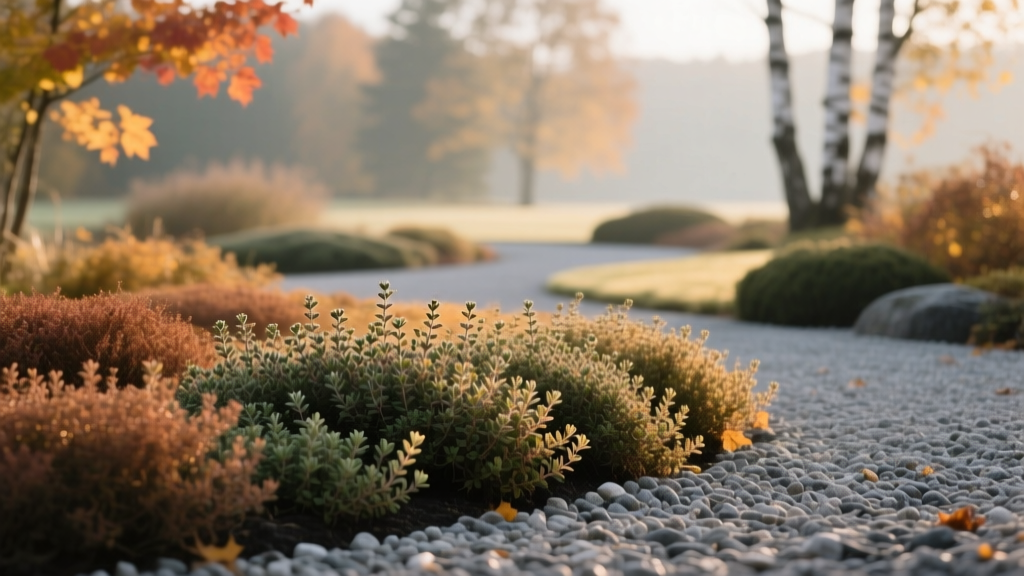
Fall 2026 Gravel Garden Design With Creeping Thyme Guide
Robert HayesPublished
The Fall 2026 Shift: Why Replace Turf with Gravel and Thyme?
As water conservation mandates and eco-conscious landscaping trends continue to dominate residential design in 2026, homeowners are increasingly looking to replace high-maintenance cool-season turfgrasses with sustainable alternatives. Fall is unequivocally the best season to execute this transition. By designing a gravel garden interplanted with creeping thyme (Thymus serpyllum) during the autumn months, you capitalize on cooler temperatures, seasonal rainfall, and the natural dormancy cycle of your existing lawn.
According to the EPA WaterSense program, outdoor water use accounts for nearly a third of total residential water consumption in the United States, with traditional lawns being the primary culprit. Transitioning to a xeriscape-inspired gravel and thyme garden can reduce your outdoor water usage by up to 60%. Furthermore, planting creeping thyme in early to mid-fall allows the root systems to establish deeply in the cool, moist soil over the winter, ensuring a vibrant, drought-tolerant groundcover by the time the summer 2027 heat arrives.
Step 1: Autumn Turf Removal and Soil Grading
Before you can lay gravel and plant thyme, the existing fall lawn must be removed. Cool-season grasses like Kentucky bluegrass and tall fescue are actively storing carbohydrates in their roots during early autumn, making this the ideal time to eradicate them.
- Manual Removal (Sod Cutting): For immediate results, rent a motorized sod cutter. Set the blade depth to 2.5 inches to remove the grass and a shallow layer of topsoil. This method is labor-intensive but allows you to begin hardscaping the same weekend.
- Sheet Mulching (Smothering): If you are starting in early September, mow the grass as short as possible (about 1 inch). Cover the area with overlapping layers of heavy-duty corrugated cardboard, wet it thoroughly, and top it with 2 inches of compost. By late November, the turf will have decomposed, enriching the soil beneath your future gravel bed.
Once the turf is removed, grade the soil to ensure a slight slope away from your home's foundation to maintain proper drainage. A drop of 1 inch per 10 feet is the standard recommendation to prevent water pooling during heavy autumn storms.
Step 2: Installing Permeable Hardscape Bases
A successful gravel garden requires a stable, weed-free foundation. In 2026, permeable landscaping is not just a design choice; it is often a municipal requirement to reduce stormwater runoff.
Selecting the Right Landscape Fabric
Avoid cheap, non-woven plastic sheeting, which traps moisture and causes thyme roots to rot. Instead, invest in a commercial-grade, woven polypropylene geotextile fabric. This material allows autumn rains to penetrate the soil while blocking weed seeds from germinating beneath the gravel.
Choosing Your Gravel
While pea gravel is popular, it shifts underfoot and makes it difficult for creeping thyme to spread. For a thyme-integrated garden, Decomposed Granite (DG) or Crushed Limestone (3/8-inch minus) are the superior choices. These materials compact slightly, providing a stable walking surface while still allowing the thyme's shallow roots to penetrate the crevices. Plan for a depth of 2 to 3 inches of gravel across the entire bed.
Step 3: Selecting and Planting Creeping Thyme in the Fall
Creeping thyme is a woody, perennial sub-shrub that thrives in the well-draining, low-fertility environment of a gravel garden. The NC State Extension Plant Database notes that Thymus serpyllum is exceptionally cold-hardy and drought-tolerant once established, making it an ideal candidate for autumn planting.
When planting in the fall, space your thyme plugs or 4-inch pots approximately 8 to 12 inches apart. Cut an 'X' into your landscape fabric, peel back the flaps, and dig a hole twice as wide as the root ball. Backfill with a mix of native soil and coarse sand to ensure rapid drainage. Water deeply immediately after planting, and rely on natural autumn rains to sustain them through November and December.
Top Creeping Thyme Varieties for 2026 Gravel Gardens
| Variety | Flower Color | Mature Height | Best Fall Planting Zones | Foot Traffic Tolerance |
|---|---|---|---|---|
| Elfin Thyme | Lavender | 1-2 inches | Zones 4-9 | High |
| Pink Chintz | Salmon Pink | 2-3 inches | Zones 5-9 | Moderate |
| Woolly Thyme | Pale Pink | 3-4 inches | Zones 5-8 | Low (Ornamental) |
| Caraway Thyme | Pink | 2-3 inches | Zones 5-8 | Moderate |
Step 4: Fall Maintenance and Winterizing
Transitioning from a traditional lawn to a gravel garden changes your fall yard work routine significantly. You no longer need to aerate, dethatch, or apply winterizer fertilizers. However, autumn leaf management becomes your primary task.
Pro Tip: Never allow a thick layer of wet autumn leaves to accumulate over your newly planted creeping thyme. The trapped moisture and lack of sunlight will cause fungal diseases and crown rot before the first hard frost.
Use a cordless electric leaf blower on a low setting to gently clear leaves from the gravel surface. Avoid using metal rakes, which can displace the landscape fabric and uproot your young thyme plants. If you experience heavy frost heave in late winter, the gravel layer will help insulate the soil and keep the thyme's root crowns stable.
Cost Breakdown for a 200-Square-Foot Project (2026 Pricing)
Budgeting for a sustainable landscape transition is easier when you have current market data. Below is an estimated cost breakdown for converting a 200-square-foot section of front yard turf into a gravel and creeping thyme garden in the fall of 2026.
- Sod Cutter Rental (Weekend): $85.00
- Commercial Woven Geotextile Fabric (Roll): $65.00
- Decomposed Granite (1.5 tons delivered): $110.00
- Creeping Thyme Plugs (50 plants at $1.85 each): $92.50
- Landscape Edging and Stakes: $45.00
- Total Estimated Material Cost: $397.50
By investing roughly $400 this autumn, you eliminate the need for weekly mowing, seasonal fertilization, and heavy irrigation next year. The return on investment, both financially and environmentally, makes the fall gravel garden one of the smartest landscaping upgrades you can undertake in 2026.

