Pest Control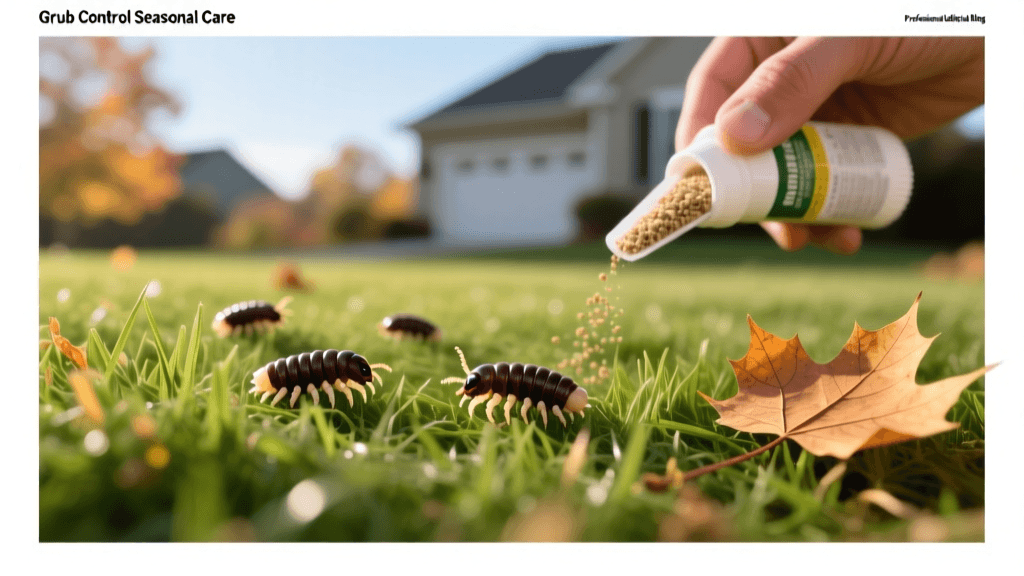
Fall Grub Control: A Seasonal Lawn Pest Care Guide
As the crisp air of autumn settles in, many homeowners mistakenly believe their lawn care duties are over. However, fall is actually one of the most critical seasons for pest management, specifically when it comes to lawn grubs. Grubs—the C-shaped, white larval stage of various scarab beetles—can wreak havoc on your turf's root system just as it is trying to store energy for the winter. If left unchecked, a fall grub infestation will leave you with a patchy, dead lawn by the time spring arrives.
In this comprehensive seasonal maintenance guide, we will explore how to identify grub damage, the science behind fall curative treatments, and actionable steps to protect your turf. Whether you are dealing with Japanese beetles, European chafers, or June bugs, mastering fall grub control is essential for a resilient, vibrant lawn.
Understanding the Grub Life Cycle and Fall Vulnerability
To effectively manage grubs, you must understand their seasonal life cycle. Adult beetles typically emerge, mate, and lay eggs in the soil during early to mid-summer. By late August and early September, these eggs hatch into young grubs. During the fall months, these larvae are in their most aggressive feeding stage, consuming grassroots to build fat reserves before they burrow deep below the frost line for winter dormancy.
Because they are actively feeding near the soil surface in early fall, this is the exact window where curative treatments are most effective. According to the University of Kentucky Entomology Department, targeting grubs in late summer to early fall yields the highest mortality rates for curative pesticides, as the larvae are still relatively small and susceptible to chemical and biological controls.
How to Identify a Fall Grub Infestation
Before applying any pest control products, you must confirm that grubs are the actual culprit. Drought stress, fungal diseases, and dog urine can all mimic grub damage. Look for the following seasonal indicators:
- Spongy Turf: Walk across your lawn. If the grass feels spongy or rolls back like a loose carpet, the roots have likely been severed by feeding grubs.
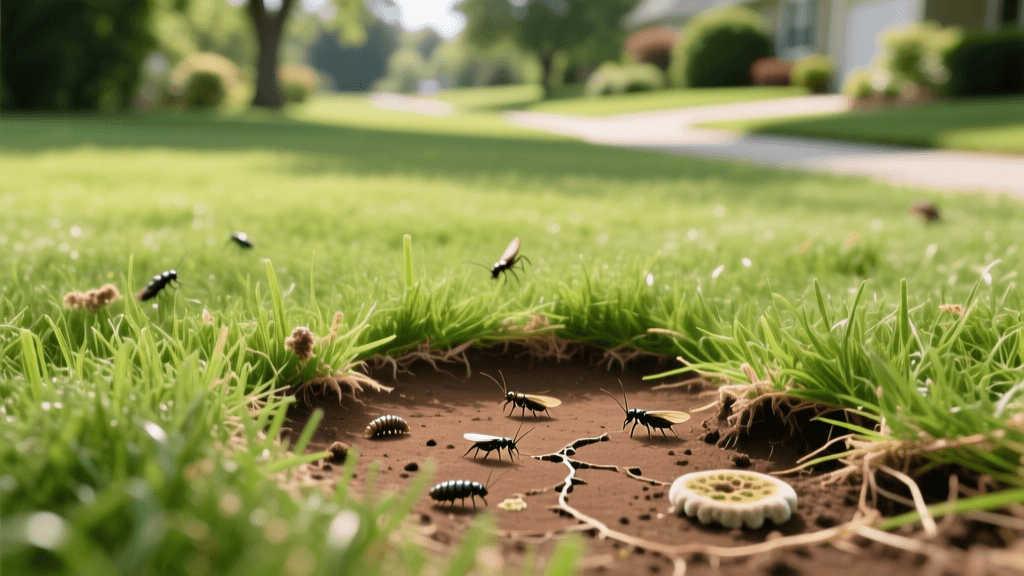
- Irregular Brown Patches: Unlike the circular rings of fungal brown patch disease, grub damage appears as irregular, expanding brown areas that do not improve with deep watering.
- Wildlife Activity: An increase in skunks, raccoons, armadillos, or flocks of starlings and crows tearing up your lawn is a massive red flag. These animals can smell the protein-rich grubs and will dig through the turf to feast on them.
The Square Foot Dig Test
The only definitive way to diagnose a grub problem is to dig. Using a flat spade, cut a 1-foot by 1-foot square of turf about 3 inches deep and peel it back. Count the number of C-shaped, white grubs with brown heads. The Penn State Extension notes that a healthy, well-maintained lawn can typically tolerate up to 5 to 10 grubs per square foot without showing visible damage. However, if you count more than 10 grubs per square foot, immediate curative treatment is required.
Curative vs. Preventative: Choosing the Right Fall Strategy
A common mistake homeowners make in September is rushing to the garden center and buying standard grub preventatives (like products containing Imidacloprid or Clothianidin). Preventatives will not work in the fall. These chemicals are designed to be applied in late spring or early summer to kill newly hatched, microscopic grubs. By fall, the grubs are too large and the chemical uptake is insufficient.
For fall maintenance, you must use a curative treatment. The gold standard for fall curative grub control is Trichlorfon, widely known by the brand name Dylox. Trichlorfon acts quickly, killing actively feeding grubs within 24 to 48 hours of contact and ingestion.
Fall Grub Control Product Comparison
| Product Type | Active Ingredient | Brand Examples | Best Application Time | Target Stage | Est. Cost (per 1,000 sq ft) |
|---|---|---|---|---|---|
| Curative (Fast-Acting) | Trichlorfon | Dylox, Bayer Advanced 24-Hour Grub Killer | Late Summer to Mid-Fall | Large, actively feeding larvae | $12 - $16 |
| Biological (Curative) | Heterorhabditis bacteriophora (Hb Nematodes) | NemaSeek, BioSafe | Late Summer to Early Fall | Young to medium larvae | $25 - $35 |
| Preventative (For Next Year) | Chlorantraniliprole | Acelepryn, Scotts GrubEx | Spring to Early Summer | Eggs / Newly hatched | $14 - $18 |
Step-by-Step Fall Grub Treatment Plan
If your square foot test confirms a threshold-busting infestation, follow this actionable protocol to save your fall lawn:
- Mow the Lawn Short: Lower your mower deck to about 2 inches. Removing excess grass blade length ensures the granular pesticide reaches the soil surface rather than getting trapped in the thatch layer.
- Apply Trichlorfon Granules: Using a rotary or drop spreader, apply a Trichlorfon-based product (like Dylox) at the rate specified on the label, typically around 1.5 to 2 lbs per 1,000 square feet for severe infestations.
- Water Immediately: Trichlorfon degrades rapidly when exposed to sunlight and high pH levels. You must water the product into the top 2 inches of soil immediately after application. Apply at least 0.5 inches of water using a sprinkler or hose-end sprayer.
- Restrict Access: Keep children and pets off the treated lawn until the grass is completely dry to ensure the chemical has washed off the blades and into the root zone.
Pro-Tip: Trichlorfon has a short residual effect (usually 7 to 14 days). It will kill the grubs currently feeding but will not protect your lawn from future hatches or next year's beetles. You will still need to plan a preventative application next spring.
Organic and Biological Control Methods
For homeowners committed to organic lawn care, synthetic curatives like Trichlorfon are off the table. Fortunately, nature provides a highly effective seasonal alternative: Beneficial Nematodes.
Specifically, you want to seek out the Heterorhabditis bacteriophora (Hb) species of nematodes. These microscopic, unsegmented worms actively hunt down grubs in the soil, enter their bodies, and release bacteria that kill the pest within 48 hours. The nematodes then reproduce inside the dead grub and release a new generation to hunt for more prey.
How to Apply Nematodes in the Fall
- Timing: Apply in late summer or early fall when soil temperatures are between 60°F and 85°F.
- Moisture is Key: Nematodes are living organisms that will die if they dry out. Water your lawn deeply before application, and keep the soil consistently moist for 10 to 14 days after application.
- UV Protection: Apply nematodes in the early evening or on a heavily overcast day. Ultraviolet light will kill them before they can burrow into the soil.
- Cost & Storage: Expect to pay around $30 for a package that treats 3,000 square feet. They must be stored in a refrigerator until the exact moment of application.
Note on Milky Spore: You may hear about Milky Spore (Paenibacillus popilliae) as an organic grub control. While effective long-term, it only targets Japanese Beetle grubs (not European Chafers or June Bugs) and takes 3 to 5 years to build up in the soil. It is not a viable curative treatment for an active fall infestation.
Repairing Fall Grub Damage Before Winter
Killing the grubs is only half the battle; you must also repair the structural damage to your turf before the ground freezes. As outlined by Michigan State University Extension, maintaining a thick, vigorous turf is the best long-term defense against pests, as dense root systems can outcompete grub feeding damage.
- Rake and Remove Dead Turf: Use a heavy thatch rake to vigorously scratch the soil surface in the damaged areas. Remove dead grass and debris to expose the bare soil.
- Overseed Immediately: Early fall is the optimal time for seeding. Choose a grass blend that includes endophyte-enhanced Tall Fescue or Perennial Ryegrass. Endophytes are naturally occurring fungi inside the grass blades that produce toxins, deterring surface-feeding insects and improving overall turf resilience.
- Topdress and Fertilize: Apply a thin layer (1/4 inch) of compost over the seeded areas to retain moisture. Follow up with a high-phosphorus starter fertilizer to encourage rapid root development before the first hard frost.
- Roll the Lawn: If large sections of your lawn were rolled back like a carpet by animals or severed roots, gently push the turf back into place and use a lightweight lawn roller to press the remaining roots back into contact with the soil.
Conclusion: Looking Ahead to Spring
Fall grub control is a vital component of seasonal lawn maintenance that bridges the gap between autumn dormancy and spring green-up. By accurately identifying the pest, utilizing fast-acting curative treatments like Trichlorfon or beneficial nematodes, and immediately repairing the turf, you can save your lawn from catastrophic root loss.
Make a note in your seasonal maintenance calendar right now: once the grubs are eradicated this fall, plan to apply a preventative product containing Chlorantraniliprole next April or May. By combining reactive fall care with proactive spring prevention, you will maintain a thick, lush, and pest-free lawn year after year.