Pest Control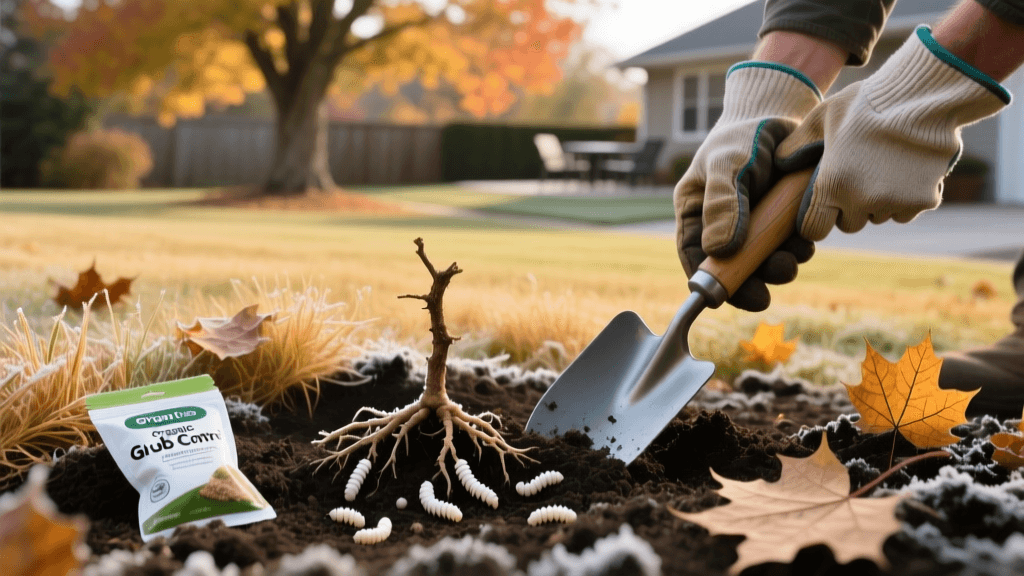
Fall Grub Control: Seasonal Timing and Treatment Guide
Introduction to Fall Pest Management
As the crisp air of autumn settles in, most homeowners begin their seasonal lawn cleanup, focusing on leaf removal, final mowing, and winterizing irrigation systems. However, fall is also a critical, often overlooked window for pest control—specifically for managing white grubs. White grubs are the soil-dwelling larval stage of various scarab beetles, including Japanese beetles, European chafers, and June bugs. If left unchecked during the autumn months, these voracious feeders can decimate your turfgrass root system, leading to massive die-offs that only become apparent when the lawn fails to green up the following spring. In this comprehensive seasonal maintenance guide, we will explore the autumn life cycle of white grubs, how to accurately diagnose an infestation, and the most effective curative and organic treatment strategies to protect your lawn before the first hard freeze.
The Autumn Life Cycle of White Grubs
To effectively manage grubs, you must understand their seasonal behavior. In late summer, eggs laid in the top few inches of soil hatch into first-instar larvae. By early fall, these grubs have molted into second and third instars. This third-instar stage is the most destructive. During September and October, the grubs are large, highly active, and feeding aggressively on turfgrass roots just below the soil surface to build fat reserves for winter.
As soil temperatures drop below 50 degrees Fahrenheit in late autumn, the grubs migrate deeper into the soil profile—often six inches or more below the surface—to enter a state of diapause and survive the freezing winter temperatures. Because they are near the surface and actively feeding in early fall, this is the absolute best time to apply curative treatments. Once they migrate deep for winter, surface-applied insecticides and biological controls cannot reach them, rendering late fall and winter treatments entirely ineffective.
Diagnosing a Fall Grub Infestation
Before applying any seasonal pest control products, you must confirm that grubs are the actual cause of your lawn damage. Drought stress, fungal diseases, and dog urine can all mimic grub damage. Look for the following seasonal indicators:
- The Tug Test: Grab a handful of brown or yellowing turf and pull gently. If the grass rolls up like a loose carpet with no roots attached, grubs have likely severed the root system.
- Spongy Turf: Walk across your lawn in early autumn. If the ground feels unusually spongy or loose underfoot, it indicates that the soil structure has been disrupted by subsurface feeding.
- Animal Digging: Skunks, raccoons, armadillos, and crows actively hunt for protein-rich grubs in the fall. If you notice irregular patches of torn-up sod or small, conical holes in your yard, predators are likely foraging for a grub infestation.
- The Square Foot Test: Use a spade to cut three sides of a one-square-foot section of turf and peel it back. Count the grubs. According to Michigan State University Extension, finding more than five to ten grubs per square foot warrants immediate curative treatment.
Seasonal Treatment Options: Chemical vs. Organic
When dealing with an active fall infestation, preventative products like imidacloprid or halofenozide are no longer effective, as they target young, early-instar grubs in the summer. For fall maintenance, you must use curative treatments that act quickly on mature larvae.
Curative Chemical Controls
The most reliable chemical option for fall grub control is Trichlorfon, commonly sold under the brand name Dylox. Trichlorfon is a fast-acting organophosphate that can kill grubs within 48 to 72 hours of contact. It is highly effective for rescuing lawns in September and early October. However, it degrades rapidly in alkaline soils. If your soil pH is above 7.5, trichlorfon will break down before it reaches the root zone. Another chemical alternative is Carbaryl (Sevin), though it is generally less effective on larger third-instar European chafer grubs than trichlorfon.
Organic and Biological Controls
For homeowners preferring an organic seasonal maintenance approach, beneficial nematodes are the gold standard. Specifically, the Heterorhabditis bacteriophora (Hb) species actively seeks out and infects white grubs in the soil. Nematodes must be applied to moist soil in the early evening to avoid ultraviolet light degradation, which kills them on contact. According to the Cornell University NYSIPM, nematodes require consistent soil moisture to remain active and move through the soil profile to find their hosts.
Fall Grub Treatment Comparison Chart
| Treatment Type | Active Ingredient / Organism | Best Fall Timing | Efficacy on Mature Grubs | Estimated Cost per 1,000 sq ft |
|---|---|---|---|---|
| Curative Chemical | Trichlorfon (Dylox) | Early to Mid-September | High (90%+) | $15.00 - $22.00 |
| Curative Chemical | Carbaryl (Sevin) | Early September | Moderate (60-80%) | $10.00 - $15.00 |
| Biological Control | Hb Nematodes | Early Fall (Soil > 60F) | High (85%+) | $25.00 - $40.00 |
| Preventative (Note) | Imidacloprid (GrubEx) | NOT for Fall Use | Low (for mature grubs) | $12.00 - $18.00 |
Step-by-Step Fall Application Guide
Proper application technique is just as important as choosing the right product. Follow these seasonal maintenance steps to ensure maximum efficacy:
- Mow the Lawn: Cut your grass to a height of 2 to 2.5 inches. Removing excess thatch and tall grass blades allows the treatment to reach the soil surface directly.
- Aerate if Necessary: If your soil is heavily compacted, core aeration before application helps the product penetrate the root zone faster.
- Apply the Treatment: Use a calibrated broadcast spreader for granular trichlorfon, ensuring even coverage. For liquid nematodes, use a hose-end sprayer designed for biologicals.
- Water Immediately: This is the most critical step. You must apply at least 0.5 inches of water immediately after spreading granular insecticides. This washes the active ingredient off the grass blades and into the soil where the grubs are feeding. Without immediate irrigation, the product will degrade in the sunlight and fail to control the pests.
- Keep Pets Away: Allow the lawn to dry completely before allowing children or pets to walk on the treated area.
Winterizing and Spring Recovery
Once the fall grub treatment has been applied and the pests are eliminated, shift your focus to winterizing the lawn. The University of California IPM program emphasizes that maintaining overall turf health is the best long-term defense against future pest outbreaks. Apply a late-fall winterizer fertilizer high in potassium to promote deep root growth and cold tolerance. If the grubs caused significant turf loss, overseed the damaged areas with a resilient grass blend suited to your climate, keeping the seed moist until germination occurs.
Expert Tip: Never apply milky spore disease in the fall expecting immediate results. Milky spore is a biological control specific to Japanese beetle grubs, and it requires warm, active soil conditions over several years to establish a viable spore count in your yard. Rely on fast-acting curatives for autumn rescue treatments.
By integrating targeted fall pest control into your seasonal lawn maintenance routine, you prevent severe root damage, deter destructive foraging wildlife, and ensure your turf emerges thick, green, and healthy when spring finally arrives.