Pest Control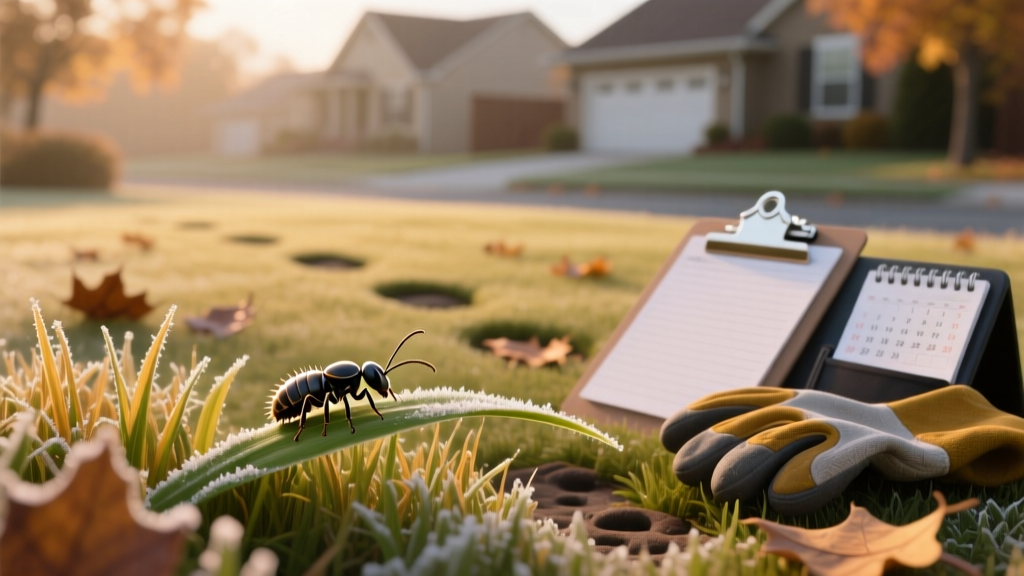
2026 Fall IPM Scouting Calendar For Home Lawns And Gardens
Robert HayesPublished
The Critical Role of Fall Scouting in Integrated Pest Management
As we navigate the shifting climate patterns of 2026, extended autumns and fluctuating soil temperatures mean that lawn and garden pests remain active much later into the year than historical averages suggest. For home gardeners and lawn care enthusiasts, fall is no longer just a time for raking leaves and winterizing irrigation systems; it is the most crucial window for Integrated Pest Management (IPM). A proactive fall IPM scouting calendar allows you to identify overwintering pests, assess turfgrass vulnerability, and implement biological or cultural controls before the first hard freeze locks the soil.
Integrated Pest Management is a science-based, sustainable approach to managing pests by combining biological, cultural, physical, and chemical tools in a way that minimizes economic, health, and environmental risks. According to the EPA's IPM Principles, the foundation of any successful program is continuous monitoring and accurate identification. By establishing a rigorous fall scouting routine, you can prevent the devastating spring outbreaks of grubs, chinch bugs, and tick populations that often catch homeowners off guard.
Why Fall is the Ultimate IPM Battleground
Many homeowners mistakenly believe that pest control is strictly a spring and summer endeavor. However, autumn is when many of the most destructive turf and garden pests transition into their overwintering life stages. Japanese beetle grubs, for instance, migrate deeper into the soil profile as surface temperatures drop, entering a state of diapause. If you fail to scout and treat these larvae in early fall, they will survive the winter and emerge in the spring with a voracious appetite for your lawn's root system.
Furthermore, fall scouting helps you identify structural and cultural vulnerabilities in your landscape. Thick thatch layers, poor drainage, and excessive leaf litter create ideal microclimates for fungal pathogens and overwintering insects like the Brown Marmorated Stink Bug and tick nymphs. By mapping these problem areas in October and November, you set the stage for a healthier, more resilient landscape in 2027.
The 2026 Fall IPM Scouting Calendar
To effectively manage your landscape, you need a structured timeline. The following scouting calendar is tailored for the transitional weather patterns typical of North American autumns in 2026. Use this chart to guide your weekly inspections.
| Timeframe | Target Pests & Pathogens | Primary Scouting Technique | IPM Action Threshold |
|---|---|---|---|
| Early Fall (Sept 1 - Sept 30) | White Grubs, Chinch Bugs, Sod Webworms | Sod cutting, Soap flush tests | >8 grubs/sq ft; >15 chinch bugs/sq ft |
| Mid Fall (Oct 1 - Oct 31) | Stink Bugs, Tick Nymphs, Fungal Spores | Visual inspection, Leaf litter drag tests | Any indoor infiltration; High tick drag counts |
| Late Fall (Nov 1 - Nov 30) | Voles, Overwintering Fungi, Thatch buildup | Runway spotting, Thatch core sampling | Thatch >0.5 inches; Active vole tunnels |
Deep Dive: Essential Fall Scouting Techniques
Accurate scouting requires more than just walking across your lawn. You must employ specific diagnostic techniques to uncover the pests hiding beneath the surface and within the thatch layer.
1. The Soap Flush Test (For Chinch Bugs and Webworms)
Chinch bugs and sod webworms often hide in the thatch and upper soil layers during the cooler autumn mornings. To force them to the surface, mix two tablespoons of liquid dish soap (lemon-scented works exceptionally well) into two gallons of water. Pour this solution evenly over a one-square-yard section of your lawn that shows signs of stress or yellowing. Wait for ten minutes. If more than 15 chinch bugs or several webworm larvae surface, you have exceeded the IPM action threshold and need to consider targeted fall interventions, such as applying beneficial nematodes before the soil temperature drops below 55°F.
2. The Cup Cutter Method (For White Grubs)
Visual inspection of the soil surface will not reveal grub populations. You must use a golf course cup cutter or a sturdy shovel to extract a core sample of soil and roots, roughly six inches deep. Crumble the soil apart by hand and count the C-shaped, white larvae. In 2026, with many regions experiencing delayed first frosts, grubs may remain in the upper root zone longer than usual. Finding more than 8 to 10 grubs per square foot indicates a severe infestation that warrants immediate biological or chemical intervention.
3. The Leaf Litter Drag (For Tick Nymphs)
Ticks do not die off in the fall; they seek shelter in leaf litter and tall grasses to wait out the winter. To scout for ticks, tie a one-square-yard piece of white flannel cloth to a wooden dowel and drag it through the transitional zones between your manicured lawn and wooded or brushy garden edges. Check the cloth every ten yards. High counts of tick nymphs indicate a need for aggressive leaf litter removal and the creation of a 3-foot wood chip or gravel barrier between your lawn and wooded areas.
Key Overwintering Pests to Monitor in Autumn
Understanding the life cycle of your local pests is a core tenet of IPM, as highlighted by resources from Penn State Extension's IPM programs. Here are the primary culprits to watch for as the leaves begin to turn.
- White Grubs (Japanese Beetles, June Bugs, European Chafers): These larvae feed on grassroots until soil temperatures drop below 50°F. Fall is the last chance to apply biological controls like Heterorhabditis bacteriophora nematodes, which actively hunt and infect grubs in the soil.
- Brown Marmorated Stink Bugs: As outdoor temperatures cool, these invasive garden pests seek warmth, often aggregating on the sunny sides of homes and infiltrating attics and wall voids. Scouting the exterior perimeter of your home and garden structures in October allows you to seal entry points before an infestation occurs.
- Voles (Meadow Mice): Unlike many pests, voles remain active all winter, tunneling just beneath the snow line and girdling the roots and bark of ornamental trees and shrubs. Late fall scouting involves looking for small, golf-ball-sized holes and surface runways hidden beneath groundcover and tall grass.
Fall IPM Action Plan: Cultural and Biological Controls
Once your scouting calendar reveals that pest populations have crossed the action threshold, it is time to implement controls. In the spirit of IPM, we prioritize cultural and biological methods over broad-spectrum synthetic chemicals, which can harm the soil microbiome and beneficial insect populations preparing for winter.
Cultural Controls: Starving and Exposing the Enemy
Cultural controls involve altering the environment to make it less hospitable to pests. In the fall, this primarily revolves around turf maintenance and debris management.
- Core Aeration and Dethatching: A thick thatch layer (greater than 0.5 inches) acts as an insulating blanket for overwintering insects and a breeding ground for snow mold fungi. Core aeration in early fall breaks up soil compaction, improves drainage, and exposes thatch-dwelling pests to desiccation and predatory birds.
- Strategic Leaf Management: While leaving some leaves in garden beds provides habitat for beneficial overwintering insects like ladybugs and solitary bees, allowing leaves to mat on the lawn invites fungal diseases and vole tunneling. Mulch leaves into the turf with a mower, but remove heavy accumulations from the perimeters of your home and garden beds to deter stink bugs and ticks.
- Mowing Height Reduction: Gradually lower your mower blade for the final two cuts of the season, bringing the turf down to about 2 to 2.5 inches. Shorter grass reduces the humidity at the soil surface, discouraging snow mold and making the environment less attractive to voles seeking winter cover.
- Beneficial Nematodes: For grub control, apply Heterorhabditis bacteriophora (Hb) nematodes in early to mid-fall. These microscopic worms actively seek out grub larvae in the soil, entering their bodies and releasing bacteria that kill the host within 48 hours. In 2026, expect to pay between $45 and $75 for a package of 10 million nematodes, enough to treat roughly 2,000 square feet. Ensure the soil is moist before application and water them in immediately to protect them from UV degradation.
- Milky Spore Disease (Paenibacillus popilliae): Fall is an excellent time to apply Milky Spore powder to lawns plagued by Japanese Beetle grubs. While it takes two to three years to establish a permanent spore bank in the soil, applying it in the autumn while grubs are actively feeding ensures the initial inoculation takes hold before the ground freezes.
Biological Controls: Harnessing Nature's Arsenal
Biological controls are highly effective in the fall if applied before the soil freezes. The UC Statewide IPM Program heavily advocates for the use of beneficial organisms to manage turf pests sustainably.
Record Keeping: Setting the Baseline for 2027
The final, and often most neglected, step in the fall IPM scouting calendar is documentation. Maintain a digital or physical garden journal where you record the dates of your scouting sessions, the specific pests identified, the population counts per square foot, and the interventions applied. Note the soil temperature and moisture levels on the days you applied biological controls like nematodes.
This historical data is invaluable. When spring 2027 arrives, you will already know exactly which areas of your lawn are prone to grub damage, which garden beds harbor tick populations, and where stink bugs attempted to breach your home's exterior. By treating your lawn care as an ongoing, data-driven science rather than a series of reactive chemical applications, you cultivate a landscape that is inherently resistant to pests, saving you time, money, and environmental impact in the long run.