
Landscaping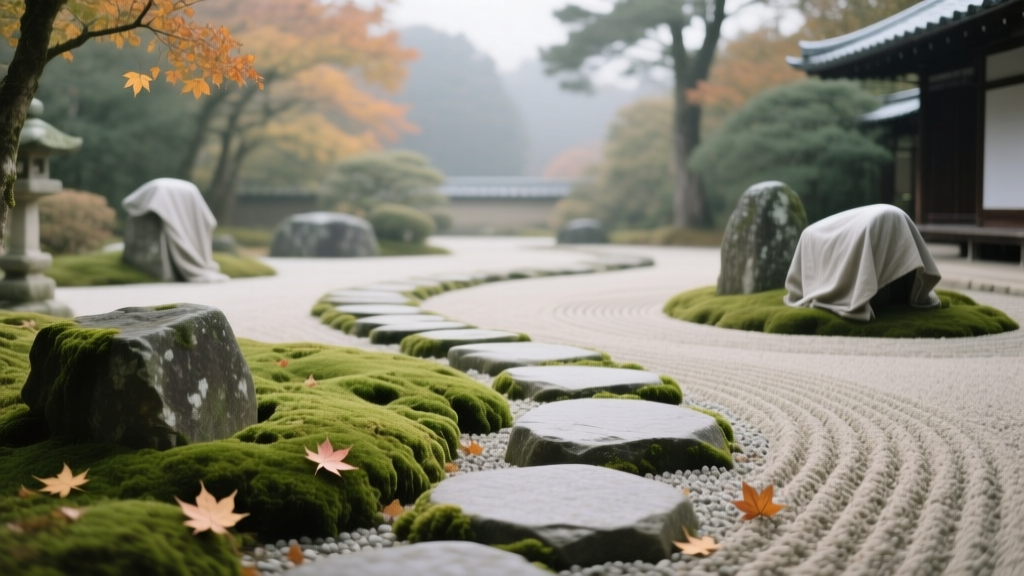
Fall Zen Garden Care 2026: Moss & Gravel Maintenance
Sarah ChenPublished
Embracing Autumn in the Karesansui Landscape
As the landscaping industry shifts toward sustainable, low-water designs in 2026, the Japanese zen garden—traditionally known as karesansui (dry landscape)—has become a cornerstone of modern fall lawn care and garden planning. Unlike traditional turf lawns that require intensive aeration, overseeding, and winterizer fertilizers in the autumn, a zen garden demands a completely different, highly meditative approach to seasonal transition. Fall is a pivotal time for these spaces. It is the optimal season for establishing moss, managing the inevitable influx of autumn leaves without destroying meticulously raked gravel patterns, and preparing hardscape elements for winter frost.
According to the EPA's WaterSense program, replacing traditional turf with dry landscape elements like raked gravel and drought-tolerant moss significantly reduces outdoor water use, a critical factor as many municipalities enforce stricter watering regulations in 2026. However, the minimalist aesthetic of a zen garden requires rigorous maintenance to preserve its intentional, tranquil appearance. This guide will walk you through the essential fall lawn care and landscaping practices required to maintain a pristine Japanese zen garden as the temperatures drop.
The Philosophy of Autumn: Wabi-Sabi vs. Strict Control
Before diving into the physical labor, it is important to understand the philosophical tension that arises in a zen garden during the fall. The concept of wabi-sabi encourages an appreciation for the impermanent and the natural decay of autumn leaves. Yet, the defining feature of a karesansui garden is its strict, controlled representation of water and islands through raked gravel and stone. Allowing a thick layer of wet, decaying maple or oak leaves to mat down the gravel ruins the samon (ripple patterns) and promotes algae growth on the stones. Therefore, fall maintenance is about striking a balance: appreciating the seasonal color while ruthlessly protecting the structural integrity of the gravel and moss beds.
Fall Moss Establishment: Timing and Techniques
While spring is often touted as planting season, autumn is actually the superior time for establishing and transplanting moss in a zen garden. The cooler temperatures, increased ambient humidity, and more frequent rainfall of September and October create the perfect microclimate for bryophytes to anchor themselves before the deep freezes of winter.
Choosing the Right Moss for 2026 Landscapes
- Hypnum curvifolium (Sheet Moss): Ideal for shaded areas beneath Japanese maples or stone lanterns. It forms a dense, carpet-like mat that tolerates light foot traffic.
- Polytrichum commune (Haircap Moss): Better suited for areas that receive dappled morning sunlight. It grows slightly taller and provides a lush, velvety texture.
- Leucobryum glaucum (Cushion Moss): Perfect for tucking into the crevices of larger boulders, providing a soft, rounded contrast to hard granite.
Soil Preparation and Transplanting
Moss does not have true roots; it absorbs water and nutrients directly through its leaves. Therefore, the substrate must be slightly acidic and compacted. Test your soil pH in early September; moss thrives in a pH range of 5.0 to 6.0. If your soil is too alkaline, apply elemental sulfur or a liquid acidic fertilizer. To transplant, gently press moss plugs into moist, bare soil, ensuring full contact. Water deeply but lightly every morning for the first three weeks to encourage the rhizoids to grip the earth.
Mastering Gravel and Leaf Management
The most challenging aspect of fall zen garden care is leaf management. A single wet oak leaf left on raked decomposed granite (DG) will leave a tannin stain and disrupt the visual flow of the garden. In 2026, landscaping professionals rely on a combination of traditional tools and modern, low-impact technology to keep the gravel pristine.
Selecting the Right Gravel
If you are refreshing your gravel beds this fall, opt for 3/8-inch minus decomposed granite. The Royal Horticultural Society (RHS) notes that gravel gardens require materials that lock together slightly to maintain structure. DG compacts enough to hold deep, crisp rake lines, unlike smooth pea gravel, which rolls and refuses to hold a pattern. Expect to pay between $65 and $85 per ton for high-quality, locally sourced DG in 2026, depending on regional supply chains.
Tools for Debris Removal
Never use a standard metal leaf rake on a zen garden; it will gouge the base layer and mix the gravel with the underlying weed barrier or soil. Instead, use a traditional bamboo kumade rake or a soft-bristled shrub rake to gently lift leaves from the surface. For larger properties, a high-end cordless blower is indispensable. The Makita XBU04PTV 2026 brushless blower lineup features a variable speed dial that allows you to dial down the PSI just enough to lift dry leaves off the gravel without scattering the stones or erasing the ripple patterns.
Pro Tip: During peak leaf drop in late October, consider suspending a discreet, black polypropylene netting over the garden using bamboo poles. This catches the bulk of the falling leaves, allowing you to simply roll up the net and compost the debris in minutes, saving hours of meticulous raking.
Winterizing Stones and Hardscape Elements
Autumn is the time to prepare your garden's 'islands' and 'mountains' (the stones and boulders) for the freeze-thaw cycles of winter. Frost heave can shift smaller stones and disrupt the careful asymmetrical balance of your garden design.
- Cleaning: Use a stiff nylon brush and a mild solution of water and white vinegar to scrub algae and lichen off the north-facing sides of your stones. Avoid wire brushes, which can leave rust stains on granite and basalt.
- Stabilizing: Check the base of all vertical stones. If the soil beneath has eroded during summer storms, backfill with a mixture of DG and fine sand, tamping it down firmly to prevent winter shifting.
- Water Features: If your zen garden includes a tsukubai (stone water basin) or a bamboo shishi-odoshi (deer scarer), drain them completely by mid-November. Disconnect the submersible pumps, clean the impellers, and store them indoors to prevent cracking from ice expansion.
2026 Fall Zen Garden Maintenance Calendar
To keep your landscaping efforts organized, follow this structured maintenance schedule tailored for the autumn months.
| Month | Gravel & Hardscape Tasks | Moss & Planting Tasks |
|---|---|---|
| September | Top-dress DG pathways; re-rake summer-worn patterns; inspect weed barrier. | Transplant moss plugs; apply soil acidifier if pH is above 6.0; prune Japanese maples. |
| October | Deploy leaf netting; use low-PSI blowers for daily debris removal; clean stone lanterns. | Daily morning misting for new moss; divide and transplant shade-tolerant ferns near borders. |
| November | Drain and store water basins; check stone bases for frost-heave stability; final deep rake. | Cease moss fertilization; allow moss to enter natural winter dormancy; clear final fallen leaves. |
Sustainable Sourcing and Long-Term Care
Sustainability remains a driving force in 2026 landscaping trends. When sourcing materials for your zen garden, prioritize local stone yards to reduce the carbon footprint associated with transporting heavy boulders and gravel. For moss, avoid harvesting from the wild, which damages fragile forest ecosystems. Instead, purchase from certified commercial mosseries that cultivate bryophytes in controlled, sustainable environments.
Proper autumn preparation aligns with broader seasonal guidelines from institutions like the University of Minnesota Extension, which emphasize the importance of clearing debris and stabilizing soil before the ground freezes. By treating your zen garden not just as a static art installation, but as a living, breathing landscape that requires seasonal adaptation, you ensure its longevity and beauty. The quiet, methodical work of raking gravel and tending to moss in the crisp autumn air is, after all, the truest expression of the zen garden's purpose: a sanctuary for mindfulness and reflection.

