Gardening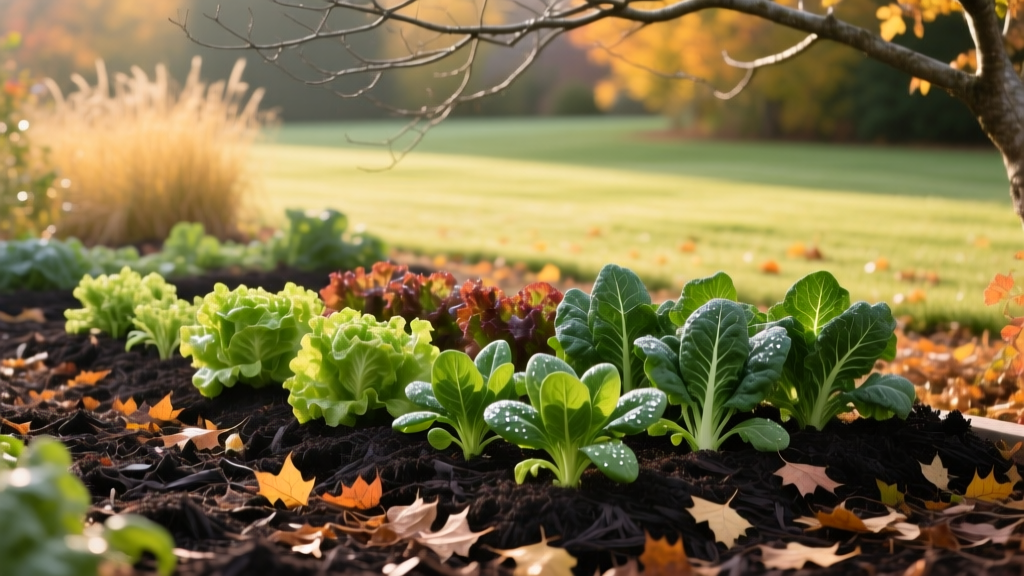
Fall Lawn Care 2026: Succession Planting Lettuce, Spinach & Kale
Robert HayesPublished
The Intersection of Fall Lawn Care and Autumn Harvests
As the crisp air of autumn settles in for 2026, homeowners and gardening enthusiasts are faced with a familiar seasonal transition. The vibrant green of summer lawns begins to slow its growth, and the trees start shedding their annual canopy. Traditionally, fall lawn care and vegetable gardening are treated as separate weekend chores. However, the most efficient and sustainable landscapes treat these tasks as a unified, closed-loop system. By integrating your fall lawn maintenance routines with your garden bed preparation, you can create a nutrient-rich environment perfectly suited for succession planting cold-hardy leafy greens like lettuce, spinach, and kale.
In 2026, with shifting climate patterns bringing more erratic autumn temperatures and extended periods of mild weather followed by sudden hard freezes, timing and soil preparation are more critical than ever. This comprehensive guide will show you how to leverage your fall lawn care activities—specifically core aeration, grasscycling, and leaf mulching—to build the perfect foundation for a continuous, staggered harvest of autumn and early-winter leafy greens.
Step 1: Fall Lawn Aeration and Leaf Mulching
Before you plant a single seed in your vegetable beds, you must address the lawn. Fall is the optimal time for cool-season grasses to recover from summer stress. Core aeration is a vital step in this process. As noted by Penn State Extension, core aeration alleviates soil compaction, improves water infiltration, and creates the ideal seed-to-soil contact necessary for fall overseeding. But what do you do with the thousands of soil plugs left on your lawn? Do not bag them. Instead, allow them to break down naturally, or rake the loose, nutrient-dense soil cores directly into your adjacent garden beds to improve soil structure.
Simultaneously, you must manage the falling autumn leaves. Raking and bagging leaves is an outdated practice that strips your property of valuable organic matter. According to the University of Minnesota Extension, mulching leaves directly into the lawn with a mulching mower provides a free, slow-release nitrogen fertilizer that feeds your turf and soil microbes. However, once the leaf drop becomes too heavy for the lawn to absorb without smothering the grass, you should divert your mulched leaf piles to your garden beds. Shredded leaves are the ultimate carbon-rich amendment for preparing raised beds and in-ground vegetable plots for fall crops.
Step 2: Translating Lawn Care into Garden Bed Prep
Leafy greens are heavy feeders that require loose, well-draining, and nitrogen-rich soil. To prepare your succession planting beds, start by clearing away spent summer crops like tomatoes and peppers. Next, apply a two-inch layer of the shredded leaves you collected from your lawn mulching sessions. Top this with a half-inch layer of composted grass clippings (grasscycled from your summer mowing) and a balanced organic fertilizer, such as a 4-4-4 NPK blend.
Use a broadfork or a garden fork to gently incorporate these layers into the top six inches of your soil. This mimics the aeration you just performed on your lawn, preventing deep soil disruption while introducing oxygen and organic matter to the rhizosphere. For spinach and kale, which belong to the amaranth and brassica families respectively, ensure your soil pH is between 6.0 and 7.0. If your lawn soil test indicated high acidity, apply pelletized lime to your vegetable beds now, as it takes several weeks to alter the soil pH.
Step 3: The Succession Planting Strategy for Leafy Greens
Succession planting is the practice of sowing seeds in staggered intervals rather than all at once. This ensures a continuous harvest and prevents the 'glut and famine' cycle where you have too much produce one week and none the next. For fall and early winter harvesting in 2026, we focus on three cold-hardy powerhouses: lettuce, spinach, and kale.
Lettuce (Lactuca sativa)
While summer heat causes lettuce to bolt and turn bitter, the cooling soils of autumn produce the sweetest, most tender leaves of the year. For fall succession planting, choose cold-tolerant varieties like 'Winter Density', 'Arctic King', or 'Rouge d'Hiver'. Sow seeds directly into the bed every 14 days starting in late summer and continuing until about four weeks before your expected first frost. Plant seeds shallowly, just 1/8 inch deep, as lettuce requires light to germinate. Keep the soil consistently moist, utilizing the improved water retention from your leaf-mulch amendments.
Spinach (Spinacia oleracea)
Spinach thrives in the cool, short days of autumn. Varieties like 'Bloomsdale Long Standing' and 'Tyee' are exceptional for overwintering. Spinach seeds should be planted 1/2 inch deep and spaced about two inches apart in rows. Succession plant spinach every three weeks. A unique characteristic of spinach is its ability to survive freezing temperatures; when exposed to frost, the plant converts its starches into sugars, acting as a natural antifreeze and resulting in a remarkably sweet flavor profile.
Kale (Brassica oleracea var. sabellica)
Kale is the undisputed king of the winter garden. Curly varieties like 'Winterbor' and flat-leaf types like 'Red Russian' can withstand temperatures well into the teens. Because kale takes longer to mature than lettuce or spinach, your succession intervals should be wider. Direct sow seeds 1/4 inch deep every three to four weeks. Alternatively, you can start seeds in cell trays near your lawn care shed and transplant them into the garden beds once they have two true leaves, which helps them outcompete early fall weeds.
Step 4: The 2026 Succession Planting Timeline
To maximize your yield before the deep winter sets in, refer to the structured planting schedule below. This timeline assumes a target harvest period extending from mid-autumn through early winter. Adjust your starting dates based on your specific USDA Hardiness Zone and local frost dates.
| Crop | Recommended 2026 Varieties | Seed Depth | Succession Interval | Frost Tolerance |
|---|---|---|---|---|
| Lettuce | 'Winter Density', 'Arctic King' | 1/8 inch | Every 14 days | Light frost (down to 28°F) |
| Spinach | 'Bloomsdale', 'Tyee' | 1/2 inch | Every 21 days | Hard freeze (down to 15°F) |
| Kale | 'Winterbor', 'Red Russian' | 1/4 inch | Every 28 days | Severe freeze (down to 10°F) |
Step 5: Season Extension and Winter Protection
As you transition from active lawn mowing to winterizing your equipment, you must also prepare your garden beds for the dropping temperatures. The USDA highlights the importance of season extension techniques for maximizing local food production. For your succession-planted leafy greens, this means deploying protective covers.
For lettuce and early spinach, simple floating row covers (spunbond polypropylene fabric) laid directly over the crops can raise the ambient temperature around the plants by 4 to 6 degrees Fahrenheit. As the season progresses into late autumn, upgrade to low tunnels made from PVC hoops and greenhouse plastic. For the ultimate protection, build a cold frame. You can repurpose old windows or use twin-wall polycarbonate sheets to create a mini-greenhouse that sits directly over your kale and late spinach plantings, allowing you to harvest fresh greens even when snow blankets your dormant lawn.
Pest and Weed Management in the Autumn Garden
While fall brings relief from the intense pest pressures of summer, it introduces new challenges. Flea beetles and aphids can still devastate young brassica and amaranth seedlings. Because you are practicing sustainable lawn and garden care, avoid broad-spectrum pesticides. Instead, rely on the physical barrier of your row covers to exclude pests. If aphids appear on your kale, a simple spray of neem oil or insecticidal soap in the early evening will manage the population without harming beneficial overwintering insects.
Weed management is also easier in the fall, provided you utilized the 'stale seedbed' technique. After preparing your soil with lawn compost and leaf mold, water the bed and wait a week for weed seeds to germinate. Hoe them down lightly without turning the soil, and then sow your leafy greens. This drastically reduces the weeding required during the short, dark days of late autumn.
Conclusion: A Unified Approach to the Autumn Landscape
By viewing your lawn and your vegetable garden as interconnected components of a single ecosystem, you save time, reduce waste, and improve the health of your entire landscape. The soil cores from your fall aeration and the shredded leaves from your mulching mower become the lifeblood of your autumn harvest. As you enjoy a crisp salad of 'Winter Density' lettuce and sweet, frost-kissed 'Bloomsdale' spinach in November of 2026, you will appreciate the synergy of a well-executed fall lawn and garden care strategy.
