Lawn Care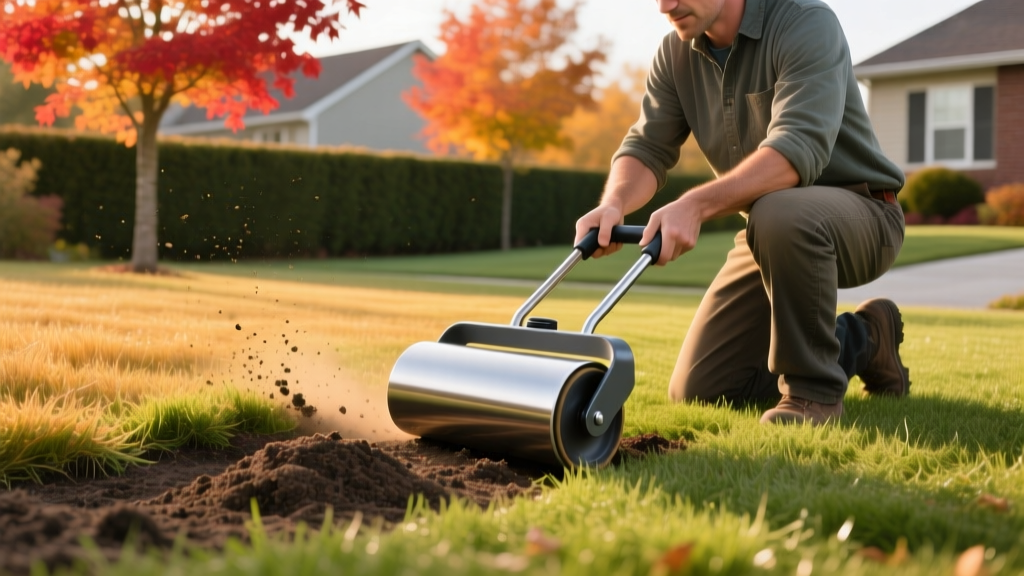
Fall 2026 Lawn Roller Guide: Sod & Molehill Repair
David ParkPublished
Why Fall 2026 is the Ultimate Season for Sod and Mole Management
As we navigate the 2026 lawn care season, unpredictable late-summer weather patterns have reinforced a long-standing horticultural truth: early fall is the absolute prime window for cool-season grass establishment and major lawn renovations. Soil temperatures hovering between 55 and 65 degrees Fahrenheit create the perfect environment for rapid root growth, while cooler air temperatures reduce heat stress and water evaporation. However, fall is also a period of intense subterranean activity. Moles are aggressively tunneling to follow earthworms and grubs deeper into the soil profile before the winter frost line sets in, leaving behind a chaotic landscape of raised ridges and unsightly molehills.
Whether you are laying down fresh Kentucky Bluegrass or Tall Fescue sod, or you are simply trying to reclaim your yard from autumn mole damage, a lawn roller is an indispensable tool. When used correctly, a lawn roller ensures vital root-to-soil contact for new sod and smooths out disruptive molehills. When used incorrectly, it can severely compact your soil, suffocating roots and ruining your turf. This comprehensive guide will walk you through the exact techniques, equipment choices, and timing required to use a lawn roller effectively this fall.
Selecting the Right Lawn Roller for Fall Tasks
The market for lawn care equipment in 2026 offers a variety of rollers, primarily divided into two materials: polyethylene (poly) and steel. Choosing the right one depends entirely on your specific fall project. Poly rollers are lightweight, rust-proof, and generally preferred for sod establishment because they provide enough weight to press roots into the soil without causing catastrophic compaction. Steel rollers, on the other hand, are incredibly heavy and are better suited for flattening severe, hardened molehills on large properties, though they carry a much higher risk of soil compaction.
| Feature | Polyethylene Roller | Steel Roller |
|---|---|---|
| Empty Weight | 30 - 50 lbs | 80 - 120 lbs |
| Filled Weight (Water/Sand) | 200 - 300 lbs | 400 - 800 lbs |
| Rust Resistance | Excellent | Poor to Moderate |
| Best Fall Use | New Sod Establishment | Severe Molehill Flattening |
| 2026 Average Price Range | $120 - $180 | $150 - $250 |
For most residential fall lawn care routines, a tow-behind or push poly roller filled partially with water is the most versatile and safest choice for your turf.
Step-by-Step: Rolling New Fall Sod
Laying sod in the fall is highly recommended by turfgrass experts. According to Penn State Extension, sodding in early autumn allows the root system to firmly anchor into the soil before the ground freezes, ensuring a vibrant, thick lawn by the following spring. However, simply unrolling the sod is not enough; you must eliminate air pockets between the sod roots and the topsoil.
1. Prepare the Base
Before the sod arrives, till the top two inches of your soil and grade it smoothly. Remove all rocks, debris, and old weed roots. Apply a starter fertilizer high in phosphorus to encourage immediate root development.
2. Lay the Sod Quickly
Fall air can be crisp and dry, which can quickly desiccate the exposed roots of harvested sod. Lay your pieces in a staggered, brick-like pattern, pushing the edges tightly together without overlapping.
3. Fill the Roller Correctly
This is where most homeowners make a critical error. Do not fill the roller to maximum capacity. For new sod, fill your poly roller only one-quarter to one-third full of water. This provides roughly 75 to 100 pounds of rolling weight—enough to press the sod into the soil, but gentle enough to preserve soil structure and macropores.
4. Execute the Roll
Push or tow the roller over the newly laid sod in overlapping, linear passes. Avoid making sharp turns while on the sod, as the lateral friction can tear the fragile new root crowns. Immediately after rolling, water the sod deeply until the soil beneath is moist to a depth of four inches.
Tackling Fall Molehills Without Destroying Your Turf
Moles do not hibernate; they simply dig deeper as the ground cools. In the fall, their tunneling often pushes up large mounds of dirt, known as molehills, which can smother surrounding grass and create tripping hazards. While rolling will not eliminate the moles, it is the fastest way to restore the aesthetic and functional surface of your lawn.
Timing the Roll
Never roll molehills when the soil is bone dry, as the mounds will be rock-hard and will merely smear across your lawn, tearing the grass blades. Conversely, never roll when the soil is saturated with heavy autumn rains. The ideal time to roll molehills is 24 to 48 hours after a moderate rainfall, when the soil is moist and crumbly.
The Rolling Technique
Use a shovel to knock down the peak of the molehills, dispersing the loose dirt into the surrounding low spots. Fill your roller to one-third capacity. Make one or two passes over the affected area. The goal is to gently press the lifted turf back down into contact with the soil below the tunnel, not to pulverize the earth.
Addressing the Root Cause
It is vital to understand that rolling is purely a cosmetic and surface-level repair. To actually manage the mole population, you must target their food source or the animals themselves. The Internet Center for Wildlife Damage Management emphasizes that trapping and specialized baits are the only proven methods for long-term mole control. If your fall molehills are driven by a grub infestation, applying a late-season biological control like beneficial nematodes can help reduce the grub population, indirectly making your yard less attractive to foraging moles.
The Compaction Conundrum: When NOT to Roll
The greatest risk associated with lawn rollers is soil compaction. Compacted soil lacks the pore space necessary for oxygen, water, and nutrients to reach the root zone. As noted in research regarding turf maintenance from Michigan State University Extension, unnecessary rolling, especially on heavy clay soils, can lead to severe compaction that stifles turf growth and encourages weed invasion and runoff.
The Squeeze Test
Before you take your roller to the lawn, perform the soil squeeze test. Grab a handful of soil from your lawn and squeeze it tightly in your fist. If it forms a tight, muddy ball that drips water, the soil is too wet; rolling it now will cause severe compaction. If it crumbles immediately and won't hold a shape, it is too dry. You want the soil to hold its shape briefly but easily crumble when poked with a finger. This indicates the perfect moisture level for rolling.
Post-Rolling Fall Aeration
If you are forced to roll heavy clay soils to flatten extensive mole damage, or if you used a heavier steel roller, you must mitigate the compaction. Schedule a core aeration for late fall, after the rolling is complete and the turf has had a few weeks to settle. Core aeration pulls small plugs of soil from the ground, reopening the macropores and allowing the soil to breathe heading into the winter dormancy period.
Conclusion
A lawn roller is a highly effective, dual-purpose tool for fall lawn care when respected and used with precision. By selecting the appropriate poly or steel roller, carefully managing the water weight inside the drum, and timing your rolls to coincide with optimal soil moisture levels, you can successfully establish robust new sod and erase the chaotic surface damage left by autumn moles. Approach your 2026 fall lawn care routine with these best practices, and you will be rewarded with a dense, level, and healthy lawn ready to thrive in the spring.