Pest Control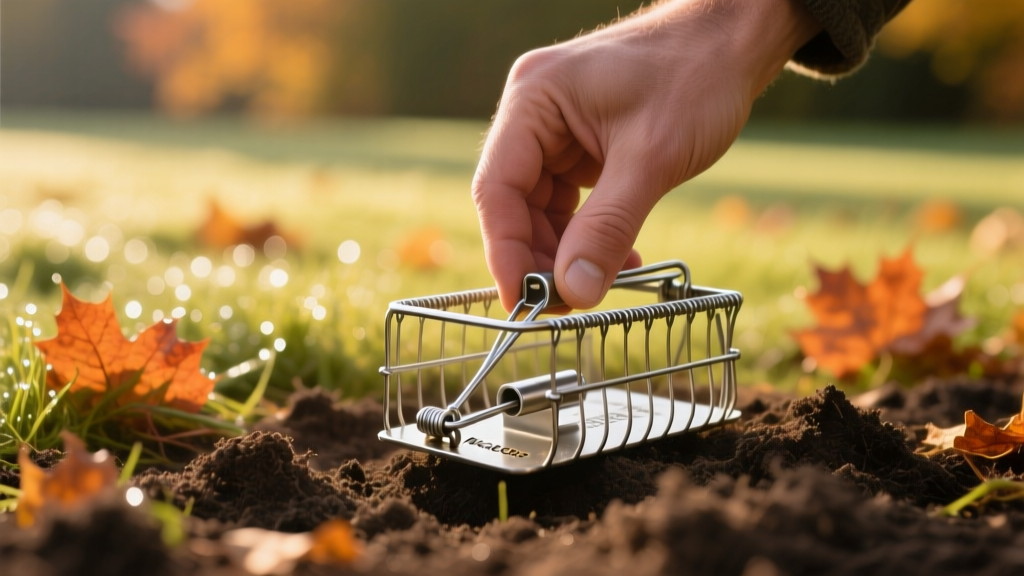
Fall Gopher Control 2026: Macabee Wire Trap Placement Guide
James MillerPublished
Why Fall is the Most Critical Season for Gopher Control
As we navigate the fall lawn care season of 2026, homeowners and landscaping professionals alike are noticing a significant uptick in subterranean pest activity. While many assume that pests slow down as temperatures drop, pocket gophers operate on a different biological clock. During the autumn months, gophers are aggressively foraging to build fat reserves for the winter. The soil, softened by early fall rains, makes tunneling easier, leading to a rapid expansion of their subterranean networks right beneath your prized turf.
If left unchecked during the fall, a single gopher can move hundreds of pounds of soil, creating unsightly mounds that smother your grass and disrupt your autumn overseeding efforts. Furthermore, fall is when gophers actively target the roots of dormant perennials, shrubs, and newly planted fall bulbs. Implementing a rigorous trapping strategy now is the most effective way to protect your landscape before the ground freezes or becomes waterlogged in winter.
Why the Macabee Wire Trap Remains the Gold Standard in 2026
Despite the influx of new plastic traps, sonic repellents, and chemical baits on the market, the original Macabee wire trap remains the undisputed champion for pocket gopher removal. Invented in California in the early 1900s, its design has barely changed because it simply works. The Macabee features a two-pronged pincer mechanism that is highly sensitive to the slightest nudge from a gopher pushing soil through its tunnel.
Unlike box traps or tunnel traps that require the gopher to walk entirely into a confined space, the Macabee is designed to be placed directly in the main runway. When the gopher attempts to push dirt over the foreign object (the trap's trigger wire), the mechanism releases, snapping the pincers shut with enough force to dispatch the pest instantly. In 2026, a standard pair of heavy-duty galvanized Macabee traps costs between $15 and $22, making it one of the most cost-effective and environmentally responsible pest control investments you can make for your fall lawn care regimen.
Essential Tools for Fall Trapping
Before heading out to your lawn, gather the following tools to ensure a smooth and successful trapping session:
- Macabee Wire Traps: Purchase at least two to four pairs. Traps frequently get buried, lost, or damaged, so having backups is crucial.
- Gopher Probe: A specialized metal probe (or a long, sturdy screwdriver) to locate the main tunnel.
- Narrow Trowel or Shovel: For carefully excavating the soil without collapsing the tunnel walls.
- Heavy Leather Gloves: To protect your hands from the trap's powerful springs and sharp edges.
- Bucket or Tarp: To catch excavated soil so you can easily backfill the hole later.
- Wire and Flags: To secure the trap and mark its location in your yard.
Step-by-Step Guide to Macabee Trap Placement
Step 1: Identifying the Fresh Mound and Main Runway
Not all mounds are created equal. Pocket gophers create fan-shaped mounds with a distinct dirt plug off to one side. This plug indicates the direction of the lateral tunnel that connects to the main runway. According to the UC Agriculture and Natural Resources Pest Notes, the main runway is typically located 8 to 12 inches away from the plug, running parallel to the surface at a depth of 4 to 12 inches, depending on your soil composition and fall moisture levels.
Insert your gopher probe into the soil about 10 inches away from the plug, angling it slightly toward the mound. Push the probe down slowly. When you hit the main runway, you will feel a distinct 'drop' or sudden release of pressure as the probe breaks through the tunnel ceiling. Mark this spot; this is your primary trap placement zone.
Step 2: Excavating the Tunnel
Using your narrow trowel, carefully dig down to the main runway. The tunnel will typically be 2 to 3 inches in diameter. Your goal is to expose a clean, straight section of the tunnel without collapsing the walls or floor. Dig out the loose soil and place it in your bucket. You need enough clearance to easily insert the Macabee trap and allow the pincers to fully expand when triggered.
Step 3: Setting the Macabee Trap
Setting a Macabee requires practice and caution, as the springs are incredibly powerful. Wearing your heavy leather gloves, squeeze the two spring loops together. Slide the locking catch over the springs to hold them in the compressed position. Next, locate the trigger wire—a thin, bent piece of metal attached to the base.
Place the trap into the excavated tunnel so that the pincers face inward, toward the direction the gopher is likely to approach from. The trigger wire must span horizontally across the entire width of the tunnel. It should not touch the dirt floor or the walls. When the gopher approaches and pushes dirt against this wire, the catch will slip, releasing the springs.
Step 4: Securing and Excluding Light
Gophers are highly sensitive to light and air drafts. If they detect an open hole, they will simply push dirt from a side tunnel to block it off, potentially burying your trap without triggering it. To prevent this, use a small amount of soil to block the tunnel behind the trap (the side facing away from the fresh mound). Then, cover the excavated hole with a piece of plywood, a bucket, or a heavy tarp to completely block out sunlight. Secure your trap to a flag or stake using a piece of baling wire so you can easily locate it and retrieve it if the gopher attempts to drag it deeper into the burrow.
Troubleshooting Your Macabee Trap Placements
Even experienced trappers encounter issues. Use the following troubleshooting chart to refine your technique during the 2026 fall season:
| Problem | Probable Cause | Solution |
|---|---|---|
| Trap is sprung but empty | Trigger wire was placed too high or too low; gopher squeezed past. | Ensure the trigger wire spans the exact middle of the tunnel, leaving no gaps at the top or bottom. |
| Trap is completely buried in dirt | Light or air was not excluded; gopher pushed dirt from a lateral tunnel. | Block the tunnel behind the trap more thoroughly and use a heavier cover to block all light. |
| Trap remains untouched for 48 hours | Tunnel is an abandoned lateral or the gopher has rerouted. | Probe for a different, fresher mound with moist, dark soil at the plug. |
| Trap goes missing | Gopher dragged the unset trap deep into the burrow. | Always tie a bright flag and wire to the base ring of every deployed trap. |
Post-Trapping Fall Lawn Repair
Once you have successfully trapped the gopher, your fall lawn care duties are not over. The tunnels and mounds left behind can cause severe tripping hazards and create pockets where water will pool and drown your turf. Remove the gopher, reset the trap in the same tunnel (as a second gopher may quickly claim the vacant real estate), and once the area is confirmed clear, begin the repair process.
Use a spade to slice the turf cap off the top of the mound and set it aside. Shovel the loose soil out of the mound and use it to backfill the main tunnel, tamping it down firmly with a wooden post to prevent future sinkholes. Once the hole is filled and level with the surrounding grade, replace the turf cap or overseed the bare spot with a high-quality fall grass seed blend, such as tall fescue or perennial ryegrass. The cool, moist conditions of autumn 2026 are perfect for rapid seed germination, allowing your lawn to heal before winter dormancy.
Safety and Environmental Considerations
While trapping is an organic and highly targeted method of pest control, safety must remain a priority. The EPA Safe Pest Control Guidelines emphasize the importance of keeping non-target animals and children away from active trap zones. Always mark your trap locations with highly visible flags. If you have outdoor cats or dogs, restrict their access to the treatment area, as the scent of the trapped gopher or the mechanical action of the trap can cause injury to curious pets.
Additionally, avoid using human-scented lotions or handling the traps with bare hands right before placement. Rubbing a handful of local soil over the metal trap before setting it helps mask human odors, making the trap appear as a natural part of the tunnel environment to the gopher's sensitive nose.
Conclusion
Mastering the Macabee wire trap is a rite of passage for serious lawn care enthusiasts. By leveraging the biological urgency of the fall season and employing precise placement techniques, you can reclaim your yard from subterranean invaders. Consistent monitoring, proper tunnel excavation, and rigorous light exclusion are the keys to a gopher-free landscape as you close out 2026 and prepare your lawn for a vibrant, healthy spring.