Gardening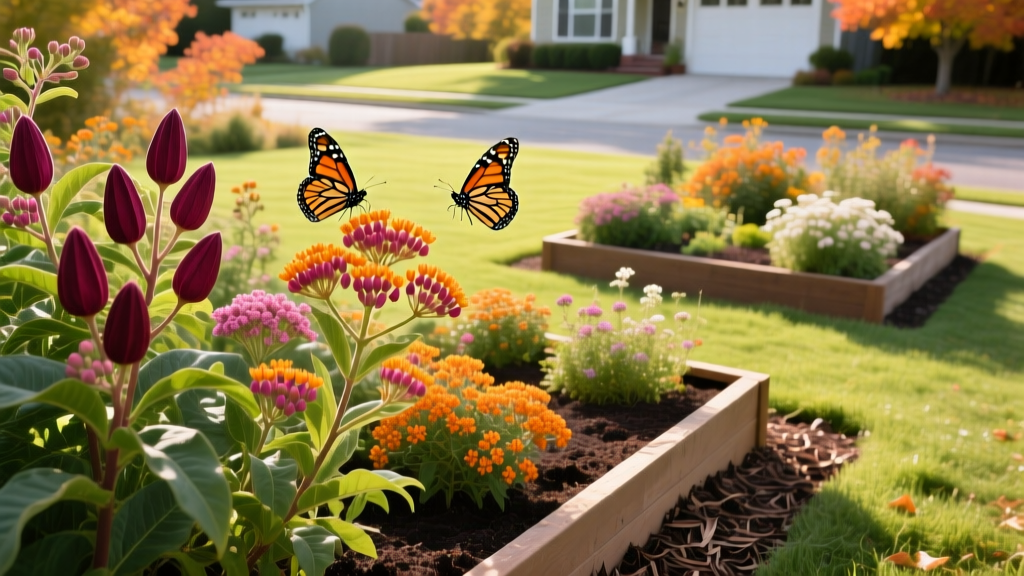
2026 Fall Butterfly Garden Design: Milkweed & Bush Guide
Emily WatsonPublished
The Synergy Between Fall Lawn Care and Butterfly Gardening
As the autumn air turns crisp and the 2026 growing season winds down, most homeowners shift their focus entirely to fall lawn care. Raking leaves, aerating compacted soil, and applying winterizer fertilizers are standard practices to ensure a lush turf next spring. However, this exact same window of opportunity is the absolute best time to design and establish a vibrant butterfly garden featuring milkweed (Asclepias) and butterfly bush (Buddleja davidii). By integrating your fall lawn maintenance routines with your garden bed preparation, you can create a closed-loop, eco-friendly landscape that supports vital pollinators while keeping your yard immaculate.
Designing a butterfly garden in the fall leverages the natural dormancy cycles of both turfgrass and perennial pollinator plants. While your lawn prepares for winter, your new milkweed and butterfly bush plantings can focus entirely on establishing deep, resilient root systems without the heat stress of summer. Furthermore, the byproducts of your fall lawn care—such as aerated soil plugs and shredded autumn leaves—serve as premium, free amendments and mulch for your new pollinator beds. According to the National Wildlife Federation, establishing native pollinator habitats in the fall significantly increases overwintering survival rates for beneficial insects and ensures a robust bloom cycle the following spring.
Why Fall is the Optimal Season for Milkweed and Butterfly Bush
Planting milkweed and butterfly bush in the fall aligns perfectly with their biological needs. Milkweed seeds, in particular, require a process called cold stratification to break dormancy and trigger germination. By planting milkweed seeds or dormant bare-root crowns in late fall, you allow the natural winter freezing and thawing cycles to do the work for you. The University of Minnesota Extension notes that mimicking natural winter conditions is critical for native milkweed species, making November and early December the ideal planting window in most temperate zones.
For the butterfly bush, fall planting allows the shrub to develop a robust root network before the explosive top-growth demands of spring. In 2026, with shifting climate patterns bringing warmer, drier springs to many regions, a fall-planted butterfly bush will have the deep moisture-seeking roots required to withstand early summer droughts. Additionally, planting in the fall reduces the need for constant supplemental watering, saving you time and money on your utility bills while you focus on your final lawn mowing and edging tasks.
Integrating Garden Prep with Fall Lawn Maintenance
1. Utilizing Lawn Aeration Plugs for Soil Amendment
Core aeration is a cornerstone of fall lawn care, relieving soil compaction and allowing oxygen to reach turf roots. When you aerate your lawn, you extract thousands of small soil plugs. Instead of leaving them to dissolve on the turf or bagging them up, use a garden fork to break them apart and incorporate them into your new butterfly garden bed. If your lawn soil is heavy clay, mix these plugs with organic compost to create a well-draining loam that milkweed and butterfly bushes crave.
2. Shredded Leaf Mulch from Your Mower
Raking and bagging fall leaves is an outdated chore that strips your landscape of valuable organic matter. Instead, use your mulching lawn mower to shred fallen oak, maple, and birch leaves. Shredded leaves are the ultimate winter blanket for your newly planted butterfly bush and milkweed. Apply a 2-to-3-inch layer of these shredded leaves around the base of your new plantings to insulate the roots against extreme temperature fluctuations, retain soil moisture, and slowly release nutrients as they decompose over the winter.
Selecting the Right 2026 Cultivars for Your Garden
When sourcing plants for your 2026 garden, it is crucial to select cultivars that are both highly attractive to pollinators and environmentally responsible. In recent years, many local environmental agencies have restricted the sale of traditional Buddleja davidii due to its invasive seeding habits. Fortunately, modern horticulture has developed sterile or low-fertility cultivars that provide abundant nectar without spreading into wild areas. The Xerces Society for Invertebrate Conservation strongly recommends prioritizing native milkweed species over tropical varieties to support local Monarch butterfly migration patterns.
| Plant Type | 2026 Recommended Cultivar | Mature Size | Fall Planting Depth | Spacing | Est. 2026 Nursery Cost |
|---|---|---|---|---|---|
| Milkweed (Swamp) | Asclepias incarnata | 3-4 ft tall | Same as nursery pot | 18-24 inches | $18 - $25 (1-gallon) |
| Milkweed (Butterfly Weed) | Asclepias tuberosa | 1-2 ft tall | Same as nursery pot | 12-18 inches | $20 - $28 (1-gallon) |
| Butterfly Bush | Buddleja 'Lo & Behold Blue Chip' | 2-3 ft tall | 1 inch above soil line | 3-4 feet | $35 - $45 (2-gallon) |
| Butterfly Bush | Buddleja 'Miss Ruby' | 4-5 ft tall | 1 inch above soil line | 4-5 feet | $45 - $60 (3-gallon) |
Step-by-Step Fall Planting and Soil Preparation
To ensure your butterfly garden thrives alongside your well-maintained lawn, follow these precise steps for fall installation:
- Site Selection and Edging: Choose a location that receives at least 6 to 8 hours of direct sunlight daily. Use a half-moon edger to carve a sharp, clean boundary between your turfgrass and the new garden bed. This prevents aggressive lawn grasses from creeping into your pollinator habitat and maintains a manicured aesthetic.
- Soil Testing and pH Adjustment: Both milkweed and butterfly bush prefer a slightly acidic to neutral soil pH, ideally between 6.0 and 7.0. Use a 2026 digital soil probe to test the bed. If the pH is too low, incorporate pelletized lime; if too high, add elemental sulfur.
- Digging and Amending: Dig holes twice as wide as the nursery container but no deeper. Place the extracted soil on a tarp and mix in 20% organic compost by volume. This improves drainage, which is critical because both plants are highly susceptible to root rot in cold, wet winter soils.
- Planting and Backfilling: Position the plants in the holes. For butterfly bushes, plant them slightly high—about one inch above the surrounding soil grade—to prevent water from pooling around the woody crown during winter rains. Backfill with your amended soil and gently tamp down to remove air pockets.
- Deep Watering Before Freeze: Even though fall brings cooler air, the soil can dry out quickly. Water your new plantings deeply immediately after installation. Continue to water once a week until the ground freezes solid. This ensures the roots are fully hydrated for winter dormancy.
Overwintering Practices and Spring Transition
One of the most common mistakes gardeners make is treating a butterfly garden like a traditional lawn or ornamental bed by cutting everything down to the ground in late autumn. To support the local ecosystem, you must embrace a slightly messier aesthetic during the winter months. Leave the dried stalks of your milkweed and the spent flower spikes of your butterfly bush standing throughout the winter. These hollow stems provide essential overwintering habitat for native solitary bees and other beneficial insects.
As you transition from fall lawn care to spring yard cleanup, wait until consistent daytime temperatures reach at least 50°F (10°C) for a full week before pruning your butterfly bush. This ensures that any overwintering insects have safely emerged. When you do prune, cut the butterfly bush back hard to about 12 inches from the ground to stimulate vigorous new growth and massive flower panicles. For the milkweed, simply snap off the brittle, dead stalks at the base and add them to your compost pile, making way for the fresh, vibrant shoots that will soon emerge to feed the first generation of 2026 Monarch caterpillars.
By thoughtfully merging your fall lawn care routines with the establishment of a milkweed and butterfly bush garden, you elevate your landscape from a simple expanse of green turf to a dynamic, life-sustaining ecosystem. The effort you invest this autumn will be rewarded with a spectacular, fluttering display of color and life next spring and summer.
