Lawn Care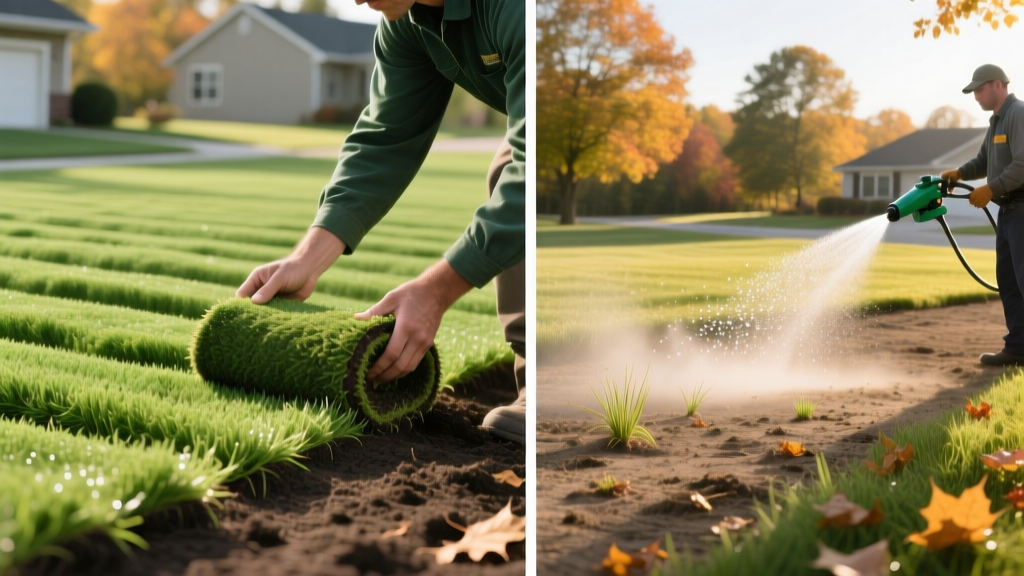
Sod vs Hydroseeding: 2026 Fall Cost and Timeline Guide
Sarah ChenPublished
The Magic of Fall Lawn Establishment
As autumn approaches in 2026, homeowners and landscaping professionals alike recognize that fall is the undisputed champion of seasons for establishing cool-season lawns. Grasses such as Kentucky Bluegrass, Tall Fescue, and Perennial Ryegrass thrive when planted in the autumn months. The combination of warm soil left over from the summer, crisp cool air, and increased rainfall creates the perfect microclimate for seed germination and root development. Furthermore, fall planting drastically reduces competition from aggressive summer weeds like crabgrass.
When deciding how to establish or renovate your lawn this season, two primary methods dominate the conversation: traditional sod installation and modern hydroseeding. Both techniques offer unique advantages, but they differ significantly in upfront costs, labor requirements, and the timeline required to achieve a fully established, traffic-ready lawn. In this comprehensive 2026 guide, we will break down the financial and temporal investments required for both methods, helping you make the most informed decision for your property.
Why Fall is the Ultimate Season for New Grass
Before diving into the specific methods, it is crucial to understand why autumn is the ideal planting window. According to turfgrass experts at University of Minnesota Extension, soil temperatures in early fall typically hover between 50°F and 65°F. This specific temperature range is the biological sweet spot for cool-season grass root growth. While the roots are actively expanding downward to secure moisture and nutrients, the cooler ambient air temperatures prevent the top growth from expending too much energy, allowing the plant to focus on establishing a robust root system before the winter freeze.
Additionally, autumn generally brings more consistent natural precipitation, which reduces the burden on your irrigation system and lowers your water bill. Whether you choose to roll out fresh sod or spray a nutrient-rich hydroseed slurry, the fall climate will do a significant amount of the heavy lifting for you.
Sod Installation: Costs, Timeline, and Fall Benefits
Sod is essentially mature grass that has been professionally grown, harvested, and rolled out like a carpet. It provides an instant, lush, green lawn the moment it is laid down. For homeowners who need an immediate aesthetic transformation or have severe erosion concerns that cannot wait for seed germination, sod is the premium choice.
2026 Sod Cost Breakdown
The cost of sod has stabilized in 2026 following previous years of supply chain fluctuations and fertilizer price spikes. However, it remains the most expensive lawn establishment method due to the intensive labor required to grow, harvest, transport, and install it.
- Material Costs: Expect to pay between $0.45 and $0.95 per square foot for the sod itself, depending on the grass variety and your proximity to the sod farm. Premium drought-tolerant Tall Fescue blends or specialized Kentucky Bluegrass cultivars will sit at the higher end of this spectrum.
- Delivery Fees: Pallets of sod are incredibly heavy. Delivery typically adds $100 to $300 to your total project cost, depending on the distance from the farm.
- Professional Installation: If you hire a landscaping crew, labor will add $0.50 to $1.25 per square foot. This includes site preparation, laying the sod, and initial rolling to ensure soil contact.
- Total Estimated Cost: For a standard 5,000-square-foot lawn, a professionally installed sod project in 2026 will range from $4,750 to $10,500.
Sod Establishment Timeline
The primary advantage of sod is its immediate visual impact. However, 'instant' does not mean 'established.' In the fall, a newly laid sod lawn will begin knitting its roots into the underlying soil within 10 to 14 days. By week three or four, the roots should be firmly anchored, allowing for very light foot traffic. Full establishment, where the lawn can handle regular use, pets, and children, typically takes about 6 to 8 weeks in optimal autumn conditions.
Hydroseeding: Costs, Timeline, and Fall Benefits
Hydroseeding is a highly efficient planting process that involves spraying a specialized slurry onto prepared soil. This slurry is a carefully calibrated mixture of premium grass seed, water, cellulose or wood mulch, tackifiers (natural glues that hold the mixture in place), and starter fertilizers. It is an exceptionally popular choice for large properties, sloped terrain, and budget-conscious homeowners who still want professional-grade results.
2026 Hydroseeding Cost Breakdown
Hydroseeding bridges the gap between the low cost of traditional broadcast seeding and the high cost of sod. It offers superior moisture retention and erosion control compared to dry seeding, at a fraction of the price of sod.
- Base Application Costs: In 2026, professional hydroseeding services generally charge between $0.15 and $0.35 per square foot. This price usually includes the soil test, slurry mixing, and application.
- Custom Blends and Additives: If you require specialized shade-tolerant seeds, extra tackifier for steep slopes, or organic bio-stimulants, expect to add 10% to 20% to the base price.
- Total Estimated Cost: For the same 5,000-square-foot lawn, professional hydroseeding will cost between $750 and $1,750. This represents a massive savings of up to 80% compared to sod.
Hydroseeding Establishment Timeline
Unlike sod, hydroseeding requires patience. The mulch in the slurry acts as a protective blanket, retaining moisture and warmth to accelerate germination. In the favorable conditions of early fall, you will typically see the first green shoots emerging within 5 to 10 days. The lawn will require its first mowing around the 3 to 4-week mark. However, because the grass is growing from seed, it must develop its entire root system from scratch. Full establishment and readiness for heavy foot traffic will take 8 to 12 weeks. If you hydroseed late in the fall, the grass may go dormant for the winter and finish its deep root establishment in the following spring.
Head-to-Head Comparison: Sod vs. Hydroseeding
To help you visualize the differences, review the 2026 comparison chart below. This data assumes a 5,000-square-foot cool-season lawn planted in early September.
| Feature | Sod Installation | Hydroseeding |
|---|---|---|
| Average Cost per Sq. Ft. | $0.95 - $2.10 | $0.15 - $0.35 |
| Total Cost (5,000 sq ft) | $4,750 - $10,500 | $750 - $1,750 |
| Time to First Green | Instant (Day 1) | 5 - 10 Days |
| Time to First Mow | 2 - 3 Weeks | 3 - 4 Weeks |
| Full Root Establishment | 6 - 8 Weeks | 8 - 12 Weeks |
| Erosion Control | Excellent (Immediate) | Very Good (After tackifier dries) |
| Grass Variety Options | Limited to farm stock | Highly customizable blends |
Essential Soil Preparation for Autumn Success
Regardless of whether you spend thousands on sod or hundreds on hydroseeding, your investment will fail if the underlying soil is neglected. The Penn State Extension emphasizes that proper seedbed preparation is the single most critical factor in lawn establishment.
Before laying sod or spraying hydroseed, you must address the soil architecture. Start by removing all existing weeds, rocks, and debris. For compacted soils, rototilling to a depth of 4 to 6 inches is highly recommended. This breaks up hardpan layers and allows new roots to penetrate deeply before the winter freeze. Next, incorporate 2 to 3 inches of high-quality organic compost into the topsoil. This improves drainage in heavy clay soils and increases water retention in sandy soils. Finally, conduct a comprehensive soil test using a 2026 digital mail-in kit or a local university extension service to determine your exact pH and nutrient deficiencies. Adjust your pH with lime or sulfur as directed, and apply a high-phosphorus starter fertilizer to promote explosive root growth.
Autumn Watering Strategies and Winter Prep
Watering requirements differ vastly between sod and hydroseed, especially as the days grow shorter and cooler in the fall. New sod has a very shallow, severed root system and requires frequent, light watering to prevent the seams from drying out and shrinking. For the first two weeks, water your new sod 2 to 3 times a day for 10-15 minutes to keep the top inch of soil constantly moist.
Hydroseed, on the other hand, relies on the mulch matrix to hold moisture. Overwatering can wash away the slurry or cause the seeds to rot. A light misting 1 to 2 times a day is sufficient to keep the mulch damp but not soggy. As the grass begins to establish, transition to deeper, less frequent watering sessions to encourage roots to chase the moisture downward.
Conserving water while establishing a lawn is a priority for modern homeowners. The EPA WaterSense program recommends utilizing smart irrigation controllers that adjust watering schedules based on local weather data and soil moisture sensors. This prevents overwatering during unexpected autumn rainstorms and ensures your new lawn gets exactly what it needs without wasting municipal water resources.
Pro-Tip for Late Fall Planting: If you are installing sod or hydroseeding in late October or November, be prepared for the grass to go dormant. The top growth may slow down or stop entirely, but the roots will continue to grow as long as the soil temperature remains above freezing. Do not mistake dormancy for failure; your lawn will reward you with a massive head start the moment spring arrives.
Making the Final Decision for Your 2026 Lawn
Choosing between sod and hydroseeding ultimately comes down to your budget, your timeline, and the topography of your yard. If you are hosting a major event in three weeks, have a small urban backyard, or possess a generous landscaping budget, the instant gratification of sod is unmatched. It provides immediate curb appeal and instant erosion control.
However, if you are managing a large suburban lot, dealing with sloped terrain where dry seed would wash away, or simply want to allocate your home improvement budget toward other projects, hydroseeding is the superior choice. It offers a lush, custom-tailored lawn at a fraction of the cost, and the cool, moist days of autumn will ensure your hydroseeded lawn establishes beautifully before the first snowfall. By understanding the true costs and timelines associated with both methods in 2026, you can confidently move forward with your fall lawn care project and enjoy a vibrant, healthy landscape for years to come.