Gardening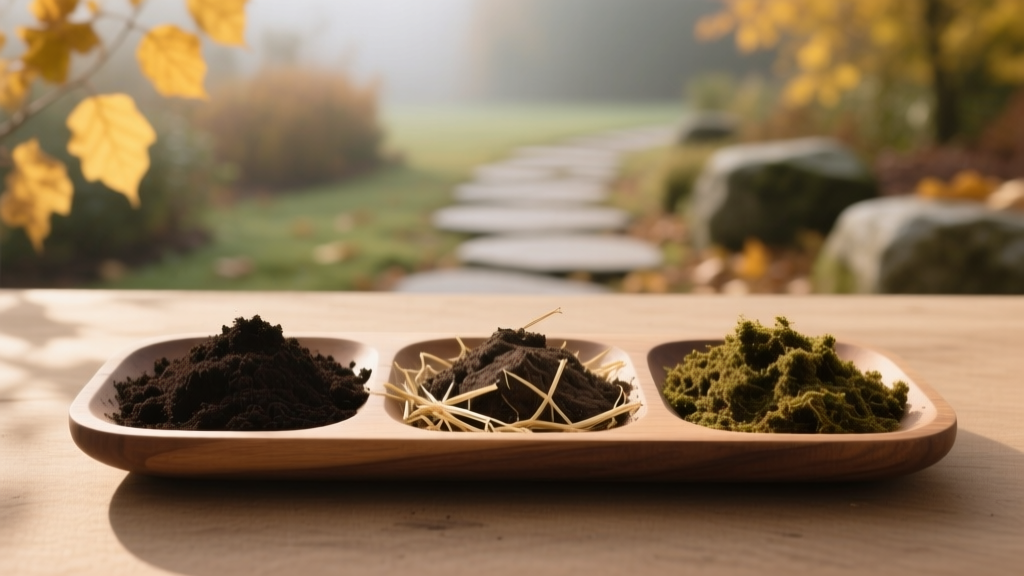
2026 Fall Soil Guide: Compost vs Manure vs Leaf Mold
James MillerPublished
The Critical Role of Fall Soil Amendment
As the autumn air turns crisp in 2026, homeowners and landscaping professionals are shifting their focus toward one of the most vital tasks of the year: fall soil preparation. While spring often gets the glory for planting and blooming, autumn is the undisputed champion of soil building. The soil is still warm from the summer, microbial activity remains robust, and the impending winter moisture provides the perfect environment for organic matter to break down and integrate. Whether you are topdressing a tired turfgrass lawn, preparing raised beds for next year's vegetable garden, or amending perennial flower borders, choosing the right soil amendment is paramount.
In recent years, the regenerative landscaping movement has heavily influenced how we approach autumn lawn care. The focus has shifted from synthetic, quick-release fertilizers to building long-term soil biology and structure. But with so many organic options available at your local garden center or landscape supply yard, how do you choose? The big three—compost, manure, and leaf mold—each offer distinct advantages, microbiological profiles, and application methods. In this comprehensive 2026 guide, we break down the science, costs, and practical applications of compost versus manure versus leaf mold to ensure your outdoor spaces thrive.
Compost: The Balanced Soil Builder
Compost is often referred to as 'black gold' for good reason. It is the product of controlled aerobic decomposition of diverse organic materials, including kitchen scraps, yard waste, and agricultural byproducts. According to the EPA's guidelines on composting basics, properly processed compost provides a slow-release, balanced spectrum of macro and micronutrients while introducing billions of beneficial bacteria and fungi to the soil food web.
Pros and Cons of Compost
The primary advantage of compost is its balance. It rarely burns plants, improves soil structure in both heavy clay and sandy soils, and acts as a mild, steady fertilizer. For fall lawn topdressing, compost is the safest and most effective choice. It fills in aeration holes, smooths out minor bumps, and provides a gentle nutrient boost that helps turfgrass store energy for the winter without forcing vulnerable late-season growth.
However, compost is not a high-powered fertilizer. If your soil test reveals a severe nitrogen deficiency, compost alone will not correct it quickly. Additionally, the quality of commercial compost can vary wildly. In 2026, premium screened bulk compost averages between $35 and $55 per cubic yard, depending on your region and the feedstock used.
Manure: The Heavy-Duty Nutrient Source
Manure is an animal byproduct that has been a staple of agricultural soil building for centuries. When we talk about manure for home lawns and gardens, we are typically referring to cow, horse, or poultry manure. Manure is significantly 'hotter' than compost, meaning it contains higher concentrations of readily available nitrogen and other salts.
The Importance of Aging and Composting Manure
It is a critical rule of fall lawn care and garden prep: never apply raw, fresh manure directly to your lawn or garden beds. Fresh manure contains high levels of ammonia and uric acid, which will scorch grass blades and burn plant roots. It may also harbor pathogens like E. coli. You must use aged or commercially composted manure. Composted cow manure is generally the safest bet for general garden use, offering an N-P-K ratio of roughly 0.5-0.5-0.5, while poultry manure is much higher in nitrogen and calcium.
Applying composted manure in the fall is highly advantageous. The winter rains and snowmelt help leach out any excess salts that could otherwise accumulate and harm sensitive turfgrass or spring seedlings. Data from the USDA Natural Resources Conservation Service highlights that incorporating manure in the autumn allows the soil microbiome to metabolize the complex nitrogen compounds, making them plant-available exactly when roots begin their aggressive spring growth phase.
Leaf Mold: The Ultimate Soil Conditioner
Leaf mold is a specific type of compost created entirely from fallen autumn leaves. Unlike traditional compost, which is broken down primarily by bacteria in a hot, nitrogen-rich environment, leaf mold is broken down slowly by fungi in a cool, damp process. This fungal dominance makes leaf mold incredibly unique and highly beneficial for specific landscaping applications.
Why Choose Leaf Mold?
Leaf mold is not a significant source of nitrogen, phosphorus, or potassium. Instead, it is the ultimate soil conditioner. Research supported by the Cornell Soil Health initiative demonstrates that leaf mold can increase a soil's water retention capacity by up to 50%. It creates a spongy, crumbly texture that is ideal for amending heavy clay soils or improving the moisture-holding capabilities of sandy lawns.
For fall lawn care, finely shredded leaf mold can be used as a light topdressing, but it truly shines when incorporated into garden beds, raised vegetable planters, and around the root zones of trees and shrubs. Best of all, if you have mature deciduous trees on your property, leaf mold is essentially free. Simply corral your raked leaves into a wire bin, keep them moist, and let the fungi do their work over the winter and into the next year.
2026 Fall Soil Amendment Comparison Chart
To help you make an informed decision for your specific landscaping needs, review the comparison table below. This chart summarizes the key characteristics of each amendment as they pertain to modern lawn and garden care.
| Amendment | Primary Benefit | Est. N-P-K Profile | Water Retention | 2026 Est. Bulk Cost | Best Fall Application |
|---|---|---|---|---|---|
| Screened Compost | Overall soil biology & structure | 1-1-1 to 2-2-2 | Moderate | $35 - $55 / cu yd | Lawn topdressing, general bed prep |
| Composted Cow Manure | Long-term nitrogen & organic matter | 0.5-0.5-0.5 | Low to Moderate | $25 - $40 / cu yd | Vegetable beds, heavy-feeding perennials |
| Poultry Manure | High nitrogen & calcium boost | 3-2-2 (varies) | Low | $40 - $60 / cu yd | Pre-winter corn/brassica bed prep |
| Leaf Mold | Fungal inoculation & moisture retention | 0.5-0-0 | Exceptionally High | Free (DIY) / $45+ retail | Tree rings, clay soil amendment, mulch |
Step-by-Step Fall Application Strategy
Knowing which amendment to use is only half the battle; proper application timing and technique are what separate a mediocre lawn from a pristine one. Follow these actionable steps for your 2026 autumn landscape renovation:
- Test Your Soil First: Before purchasing bulk materials, use a modern digital soil test kit or send a sample to your local university extension. You need to know your baseline pH and organic matter percentage.
- Core Aerate the Lawn: For turfgrass, always core aerate before topdressing. Pulling plugs of soil allows the compost to make direct contact with the root zone and improves drainage.
- Calculate Your Volume: For lawn topdressing, you only need a thin layer—about 1/4 to 1/2 inch. Applying more than this can smother the grass crowns. For garden beds, plan to incorporate 2 to 3 inches of compost or manure into the top 6 inches of soil.
- Spread and Drag: Use a landscape rake or a specialized compost spreader to distribute the material evenly. For lawns, drag a piece of chain-link fence or a stiff push broom across the grass to work the amendment down to the soil surface.
- Water Thoroughly: After application, water the area deeply. This settles the amendment, washes it off the grass blades to prevent fungal diseases, and activates the soil microbes.
Common Autumn Amendment Mistakes to Avoid
Even experienced gardeners can make errors when rushing to finish yard work before the first frost. Avoid these common pitfalls:
- Smothering the Turf: Never leave thick piles of unshredded leaves or heavy clumps of wet manure on your lawn. This blocks sunlight, traps excess moisture against the grass crown, and invites snow mold and crown rot.
- Ignoring Salt Buildup: If you rely heavily on poultry or feedlot manure year after year, salts can accumulate. This is why fall application is preferred—the winter precipitation naturally flushes excess sodium out of the root zone.
- Tilling Wet Soil: When amending garden beds in late autumn, wait for a dry window. Tilling or turning wet, heavy clay soil destroys its structure and creates hard, impenetrable clods once it dries.
Conclusion: Building a Resilient Landscape
The transition into winter is a period of rest for the visible parts of your landscape, but beneath the surface, it is a time of intense biological activity. By carefully selecting between compost, manure, and leaf mold based on your specific soil deficiencies and landscape goals, you are investing in the long-term resilience of your property. Compost provides the reliable baseline of microbial life, manure delivers the heavy nutrients required for vigorous growth, and leaf mold offers unparalleled moisture management and fungal support. Embrace these natural amendments this fall, and you will be rewarded with a lush, vibrant lawn and highly productive garden beds when the 2027 spring sun finally returns.
