Gardening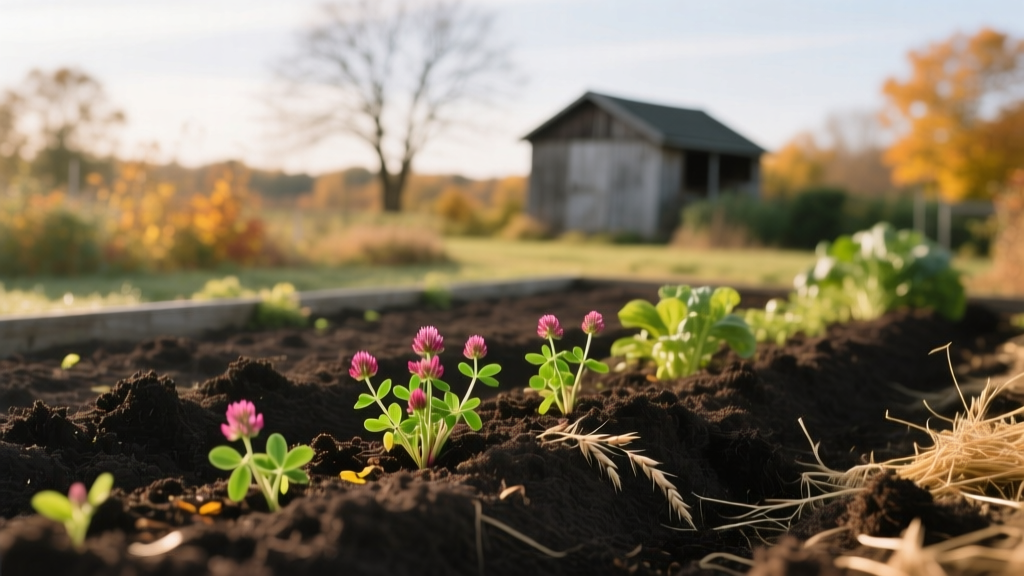
Fall Soil Prep and Cover Crops for Healthier Spring Gardens
Emily WatsonPublished
The Critical Role of Fall Soil Maintenance
When the autumn harvest winds down and the first frost approaches, many gardeners pack away their tools and abandon their vegetable beds until spring. However, from a seasonal maintenance and soil health perspective, fall is the most crucial time of the year to invest in your garden's ecosystem. The soil beneath your feet is not merely dirt; it is a complex, living food web teeming with beneficial bacteria, mycorrhizal fungi, earthworms, and microarthropods. Leaving soil bare and exposed to harsh winter winds, freezing temperatures, and heavy spring rains leads to nutrient leaching, topsoil erosion, and the degradation of soil structure.
By implementing a strategic fall soil preparation routine and utilizing cover crops—often referred to as 'green manure'—you can protect your soil, suppress winter weeds, and naturally replenish vital nutrients. This comprehensive guide will walk you through the actionable steps required to winterize your vegetable garden, ensuring a vibrant, high-yield growing environment when the spring thaw arrives.
Step 1: Clear Debris and Conduct a Soil Test
Before amending the soil or sowing seeds, you must establish a baseline. Begin by removing spent summer crops, fallen fruit, and heavily diseased plant material. While healthy plant matter can be added to your compost pile, material afflicted with blight, powdery mildew, or severe pest infestations should be bagged and disposed of off-site to prevent overwintering pathogens.
Once the beds are clear, conduct a comprehensive soil test. Do not skip this step; guessing your soil's needs often leads to over-fertilization, which can harm the local watershed and lock out essential micronutrients. Contact your local university cooperative extension office to obtain a soil test kit. These tests typically cost between $15 and $30 and provide exact measurements of your soil's pH, phosphorus (P), potassium (K), calcium, magnesium, and organic matter percentage.
Understanding Your Soil Test Results
- pH Levels: Most vegetable crops thrive in a slightly acidic pH range of 6.2 to 6.8. If your soil is too acidic (below 6.0), you will need to apply garden lime. If it is too alkaline (above 7.2), elemental sulfur is required.
- Organic Matter: Aim for an organic matter content of 5% to 8%. This is the cornerstone of soil health, dictating water retention and nutrient exchange capacity.
- Nutrient Deficiencies: Fall is the ideal time to apply slow-release phosphorus and potassium amendments, such as bone meal or greensand, as they take months to break down and become bioavailable to plant roots.
Step 2: Targeted Fall Amendments and Composting
Based on your soil test results, apply your necessary pH adjusters. For lime applications, the general rule of thumb is to apply 5 to 10 pounds of pelletized dolomitic lime per 100 square feet to raise the pH by one point, but always defer to your specific soil test recommendations. Incorporate these amendments into the top 4 to 6 inches of soil using a garden fork or a broadfork. Avoid aggressive rototilling, which destroys soil aggregates and harms earthworm habitats.
Next, apply a generous layer of high-quality compost. Compost acts as a biological inoculant, introducing billions of beneficial microbes back into the soil. Spread a 1 to 2-inch layer of finished compost over the surface of your raised beds or in-ground rows. For a standard 4x8-foot raised bed, this equates to roughly 2 to 3 cubic feet of compost. You do not need to mix the compost deeply; soil organisms and winter freeze-thaw cycles will naturally incorporate the organic matter into the lower soil horizons over the next few months.
Step 3: Sowing Cover Crops for Winter Health
Once your compost and slow-release amendments are in place, it is time to protect the soil surface. Cover crops are the ultimate seasonal maintenance tool. They act as a living mulch, preventing erosion, scavenging leftover nitrogen that would otherwise leach into groundwater, and providing a habitat for beneficial insects. Furthermore, deep-rooted cover crops can break up compacted subsoil layers, creating channels for air and water infiltration.
Choosing the Right Cover Crop
Selecting the correct cover crop depends on your climate zone, your soil's specific needs, and your spring planting schedule. Below is a comparison chart of the most effective fall-sown cover crops for home vegetable gardens.
| Cover Crop Type | Best Climate Zones | Seeding Rate (per 1000 sq ft) | Primary Soil Health Benefit | Spring Termination Method |
|---|---|---|---|---|
| Winter Rye (Cereal) | Zones 3-8 | 2.0 - 3.0 lbs | Massive root biomass; excellent weed suppression and erosion control. | Mow or crimp at flowering; tarp for 3 weeks. |
| Crimson Clover (Legume) | Zones 6-9 | 1.0 - 1.5 lbs | Fixes atmospheric nitrogen (up to 100 lbs/acre); attracts early pollinators. | Mow at early bloom before seeds set. |
| Hairy Vetch (Legume) | Zones 4-8 | 1.5 - 2.0 lbs | Heavy nitrogen fixation; creates a thick, weed-smothering mat. | Crimp or mow in late spring; leave as mulch. |
| Forage Radish (Brassica) | Zones 4-8 | 0.5 - 1.0 lbs | Deep taproots 'biodrill' and break up heavy clay compaction. | Winter-kills in freezing temps; no spring work needed. |
How to Plant and Manage Cover Crops
Timing is everything when sowing cover crops. You must plant them early enough in the fall so they can establish a robust root system and adequate above-ground foliage before the ground freezes solid. In northern climates (Zones 3-5), sow cover crops in late August to mid-September. In milder climates (Zones 6-8), you can wait until late September or mid-October.
Seeding Technique
Prepare a fine seedbed by lightly raking the top inch of your compost layer. Broadcast the seeds evenly by hand or use a handheld rotary spreader for larger plots. After broadcasting, gently rake the seeds into the soil to a depth of about 1/4 to 1/2 inch. Seeds left on the surface are highly vulnerable to being eaten by birds or washed away by heavy autumn rains. Water the area gently but thoroughly, keeping the top inch of soil consistently moist until germination occurs, which typically takes 7 to 14 days.
Spring Termination and the 'No-Till' Approach
The benefits of cover crops are fully realized during their termination in the spring. To maintain optimal soil health, avoid rototilling the cover crop into the soil, as this brings dormant weed seeds to the surface and disrupts the fungal networks you have worked hard to cultivate. Instead, employ a 'no-till' termination strategy.
For winter-hardy crops like Winter Rye or Hairy Vetch, wait until the plants are actively growing and just beginning to flower. At this stage, their carbon-to-nitrogen (C:N) ratio is balanced, and they will decompose rapidly without tying up soil nitrogen. Use a string trimmer, a scythe, or a lawn mower set to its lowest setting to chop the plants down to the soil surface. Alternatively, you can use a roller-crimper or simply lay a heavy silage tarp (a method known as occultation) over the bed for 3 to 4 weeks. The lack of sunlight and increased heat under the tarp will terminate the crop and accelerate decomposition, leaving you with a weed-free, nutrient-rich bed ready for your spring tomato and pepper transplants.
Expert Insights on Soil Ecosystem Health
The transition toward viewing soil as a living entity rather than a sterile growing medium is heavily supported by agricultural research. Maintaining living roots in the soil year-round is a core tenet of regenerative agriculture and advanced home gardening.
'Cover crops are one of the most effective tools a gardener can use to improve soil health. They feed the soil food web during the off-season, prevent the loss of topsoil to wind and water erosion, and naturally recycle nutrients. A garden that utilizes cover crops in the fall will require significantly less synthetic fertilizer and suffer fewer drainage issues in the spring.'
— Penn State Extension, Agronomy Guide on Cover Crop Management
By following the guidance of institutions like Penn State Extension and your local cooperative extensions, you align your seasonal maintenance routines with proven ecological principles. The upfront cost of cover crop seed (typically $5 to $15 per pound) and compost is vastly offset by the reduction in spring weeding, decreased need for commercial fertilizers, and the long-term resilience of your garden against drought and heavy rainfall.
Conclusion
Seasonal maintenance in the garden does not end with the final harvest of autumn. By taking the time to clear diseased debris, test your soil, apply targeted compost amendments, and sow a protective cover crop, you are investing directly in the biological health of your garden. The soil food web will work tirelessly beneath the winter snow, breaking down organic matter and structuring the earth. When spring finally arrives, you will be rewarded with a friable, nutrient-dense, and biologically active soil environment primed for a bountiful and healthy vegetable harvest.
