Home & Garden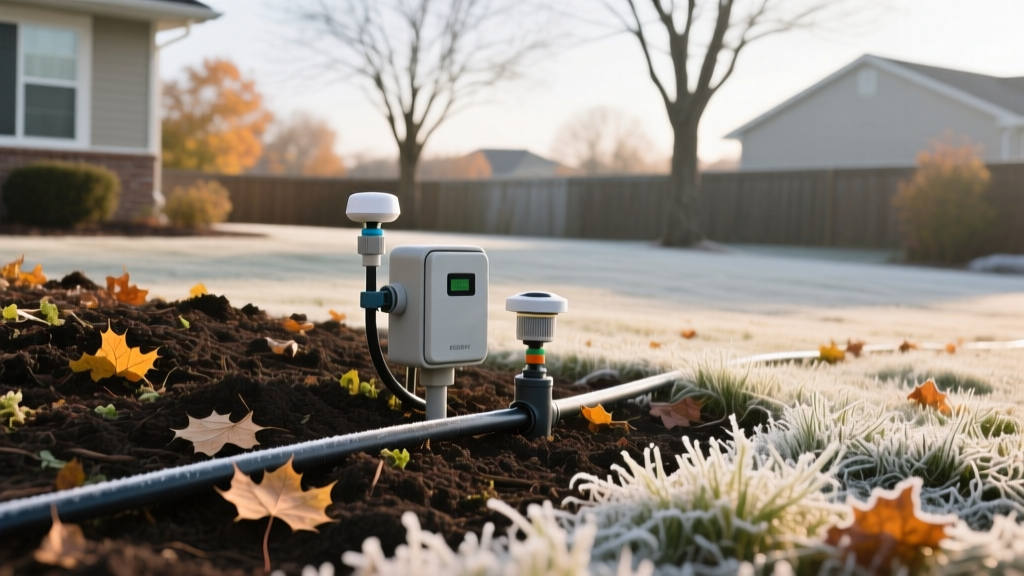
Fall Winterization for Smart Irrigation and Soil Health
Anna KowalskiPublished
The Critical Intersection of Hardscape and Softscape Maintenance
As autumn leaves begin to blanket the lawn and daytime temperatures drop, homeowners face a dual responsibility that bridges the gap between outdoor technology and natural biology. The transition from late fall into early winter is the most critical window for seasonal landscape maintenance. Neglecting this window doesn't just mean a messy yard in the spring; it can lead to catastrophic damage to your smart home irrigation infrastructure and the decimation of the soil microbiome that sustains your garden-to-table crops and ornamental perennials.
True seasonal maintenance requires a holistic approach. You must protect the hardscape and technological investments—like smart irrigation controllers and subsurface drip lines—while simultaneously nurturing the softscape by preparing the soil ecosystem for winter dormancy. This comprehensive guide will walk you through the exact timing, costs, and actionable steps required to winterize your smart irrigation system and fortify your soil health before the first deep freeze.
Winterizing Smart Irrigation Systems: Protecting Your Investment
Smart irrigation controllers, such as the Rachio 3, Netatmo, or Hunter Hydrawise, have revolutionized landscape water efficiency by integrating local weather data and evapotranspiration (ET) rates. However, the intelligence of the controller cannot protect the physical PVC or polyethylene pipes buried in your garden from the destructive expansion of freezing water. When water freezes, it expands by approximately 9%, generating thousands of pounds of pressure per square inch—more than enough to shatter valves, crack backflow preventers, and rupture sprinkler heads.
Step 1: System Audit and Controller Winter Mode
Before touching the physical valves, address the brain of your system. In mid-to-late October, depending on your USDA Hardiness Zone, log into your smart controller app. Most premium smart controllers feature a "Seasonal Adjust" or "Winter Mode" setting. Activating this pauses all scheduled watering while retaining your zone-specific data, nozzle types, and soil moisture history for a seamless spring reboot. Do not simply unplug the controller; this can wipe your customized landscaping profiles and reset factory defaults.
Step 2: The Blowout Process and Pressure Limits
The industry standard for winterizing irrigation systems in freezing climates is the "blowout" method, which uses compressed air to evacuate residual water from the pipes. According to the Irrigation Association, air compressor pressure must be strictly regulated to prevent catastrophic shattering. You must keep the air pressure below 50 PSI for polyethylene pipes and 80 PSI for PVC pipes. Furthermore, the compressor must deliver a high volume of air, measured in Cubic Feet per Minute (CFM). A standard home garage compressor (2-3 CFM) is insufficient and will cause friction heat that can melt poly-pipes. You need a commercial-grade tow-behind compressor delivering 10 to 25 CFM.
DIY vs. Professional Winterization
Deciding whether to hire a professional or attempt a DIY blowout depends on your equipment access and risk tolerance. Below is a comparison of the methods:
| Method | Estimated Cost | Equipment Needed | Risk Level |
|---|---|---|---|
| Professional Blowout | $50 - $150 | None (provided by pro) | Low |
| DIY Air Compressor | $0 - $75 (rental) | 10+ CFM Compressor, Hose | High |
| Manual Drain Valves | $0 | None (if system has drains) | Medium |
Note: If your system utilizes automatic drain valves, you must still manually drain the main backflow preventer and insulate it with a foam cover (costing roughly $25 at local hardware stores) to prevent brass cracking.
Preserving Soil Health and Microbiology Through Winter
While irrigation winterization protects your hardware, your soil is a living, breathing ecosystem that requires its own seasonal preparation. The health of your spring vegetable garden and perennial borders depends entirely on how well the soil microbiome is insulated and fed during the winter months. Bare soil is dead soil; leaving garden beds exposed to harsh winter winds and freezing rain strips away topsoil and destroys beneficial fungal networks.
Fall Soil Testing and Targeted Amendments
Late fall is the optimal time to amend soil because it gives organic materials and minerals months to break down and integrate before spring planting. Begin by conducting a soil test to determine your pH and baseline nutrient levels. Most garden-to-table vegetables thrive in a pH range of 6.2 to 6.8. If your soil is too acidic, apply pelletized lime at a rate of 5 to 10 pounds per 1,000 square feet. If it is too alkaline, use elemental sulfur.
For fall fertilization, avoid high-nitrogen synthetic fertilizers, which promote tender, vulnerable top-growth that will be killed by frost. Instead, use organic, slow-release amendments rich in potassium and phosphorus to stimulate deep root development. Products like Espoma Organic Fall Winterizer or Milorganite provide essential nutrients while feeding the soil's microbial life. Apply a half-inch layer of aged compost over your vegetable beds; the earthworms will pull this organic matter deep into the soil profile over the winter.
The Role of Winter Mulch in Soil Microbiology
Mulching is not just about aesthetics; it is a critical thermal blanket for soil health. However, the timing and material matter immensely. Applying mulch too early in the fall can trap excess heat, delay plant dormancy, and invite rodent nesting. Wait until after the first hard freeze (when temperatures drop below 28°F for several hours) before applying winter mulch.
| Material | Application Depth | Best For | Decomposition Rate |
|---|---|---|---|
| Shredded Hardwood | 2 - 3 inches | Perennial beds, trees | Slow |
| Straw (Seed-free) | 4 - 6 inches | Vegetable gardens, new seed | Fast |
| Shredded Leaves | 2 - 4 inches | Shrubs, naturalized areas | Medium |
| Pine Needles | 3 - 4 inches | Acid-loving plants (azaleas) | Slow |
Authoritative Guidance on Freeze-Thaw Cycles
The primary enemy of perennial root systems and soil structure is not the cold itself, but the alternating freeze-thaw cycle. When soil repeatedly freezes and thaws, it expands and contracts, a phenomenon known as "soil heaving." This heaving physically pushes plant roots out of the ground, exposing them to desiccating winter winds and freezing air.
"Mulching after the first hard freeze helps maintain a uniform soil temperature, preventing the alternating freezing and thawing that causes soil heaving and root damage. The goal of winter mulch is to keep the soil frozen and dormant, rather than allowing it to warm up during brief winter thaws."
— Colorado State University Extension
By maintaining a consistent soil temperature, you protect the delicate mycorrhizal fungi that form symbiotic relationships with plant roots, ensuring your garden is primed for explosive growth when spring arrives.
Integrating Smart Tech with Seasonal Plant Health
The bridge between indoor smart home ecosystems and outdoor garden health is rapidly evolving. To truly optimize your landscape, consider integrating wireless soil moisture and temperature sensors, such as the Ecowitt WH51 or Toro Precision Soil Sensor, into your garden beds before the ground freezes. These devices can transmit real-time soil temperature data to your smart home hub.
Monitoring soil temperature in late winter and early spring removes the guesswork from seasonal maintenance. Instead of relying on arbitrary calendar dates to restart your smart irrigation system or plant your spring crops, you can use hard data. For example, knowing exactly when your soil temperature at a 4-inch depth consistently reaches 50°F allows you to safely reactivate your irrigation zones and sow cool-season crops like spinach, peas, and radishes without risking seed rot or pipe damage.
Conclusion: A Holistic Approach to Winter Readiness
Seasonal maintenance is not merely a checklist of chores; it is an investment in the long-term health and efficiency of your entire property. By taking the time to properly winterize your smart irrigation system with safe PSI limits and professional-grade CFM, you protect your home's hardscape from costly freeze damage. Simultaneously, by amending your soil with organic matter and applying the correct winter mulch after the first hard freeze, you safeguard the biological engine of your garden. Embracing this holistic, data-driven approach ensures that when the snow melts, your outdoor living space, garden-to-table crops, and smart landscaping technologies are perfectly positioned to thrive in the new year.
