Home & Garden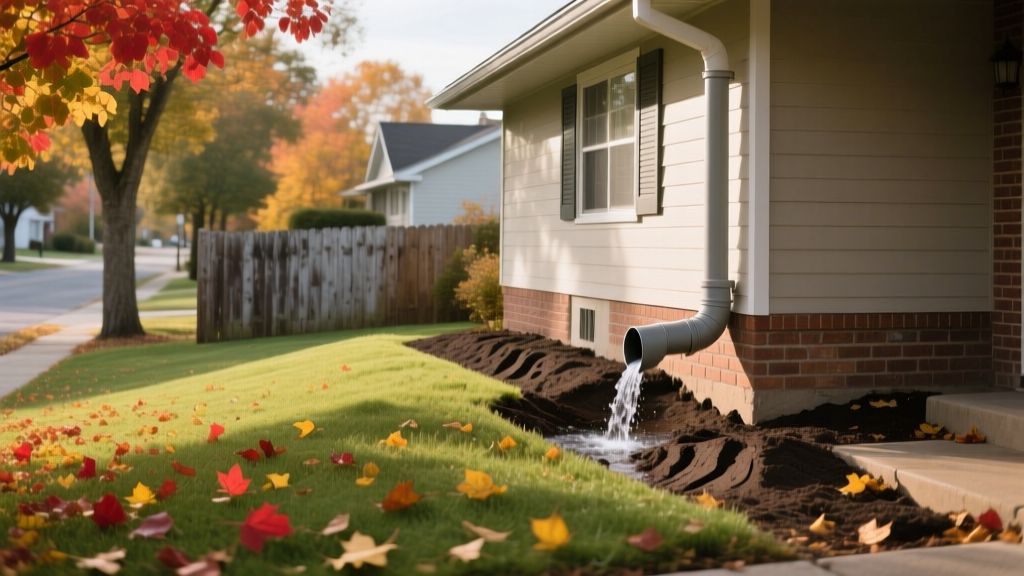
Fall Yard Grading and Drainage Guide to Prevent Basement Mold
Lisa ThompsonPublished
As the vibrant hues of autumn settle over your landscape, the focus of lawn and garden care naturally shifts from summer cultivation to winter preparation. Homeowners eagerly winterize smart irrigation systems, drain garden hoses, and cover expensive teak patio furniture. However, one critical aspect of seasonal maintenance is frequently overlooked, despite its profound impact on both structural integrity and indoor environmental health: the intersection of exterior drainage and interior air quality. Bridging the gap between outdoor landscaping and indoor living requires a proactive approach to yard grading and water management before the first hard freeze.
The Hidden Health Risks of Poor Outdoor Drainage
Water intrusion is not merely a structural nuisance that damages drywall, warps hardwood floors, and ruins stored holiday decorations; it is a severe indoor health hazard. When exterior grading fails or downspouts discharge too close to the foundation, hydrostatic pressure builds up against your basement walls. This moisture inevitably finds its way through microscopic concrete cracks, creating the perfect damp, dark environment for mold spores to thrive.
According to the Centers for Disease Control and Prevention (CDC), exposure to damp and moldy indoor environments is directly linked to a variety of health effects, particularly upper respiratory tract symptoms, coughing, wheezing, and severe asthma exacerbations in sensitive individuals. The most notorious of these indoor pathogens is Stachybotrys chartarum, commonly known as black mold, which releases mycotoxins and volatile organic compounds (VOCs) into your home's air supply. By managing your outdoor landscape's hydrology in the fall, you are actively safeguarding your family's respiratory health for the winter and spring seasons.
Mastering the 5% Slope Rule for Foundation Protection
The cornerstone of foundation waterproofing and mold prevention is proper yard grading. The universal standard in landscape architecture and structural engineering is the 5% slope rule. This dictates that the ground must drop at least 6 inches over the first 10 feet extending outward from your foundation. To measure this accurately, you do not need expensive surveying equipment. A standard $25 string level, a 10-foot measuring tape, and a line level are sufficient. Alternatively, investing in a cross-line laser level, such as the Bosch GLL 55, can make mapping your yard's topography a precise, one-person job.
If your yard fails the 5% slope test, fall is the ideal time to regrade before the ground freezes. However, the type of soil you use is paramount. Never use compost-rich garden soil, peat moss, or mulch to build up the grade against your house. These organic materials act like sponges, retaining moisture against the foundation. Instead, source a heavy, clay-based fill dirt. Clay is naturally impermeable and acts as a cap, shedding water away from the home rather than absorbing it. You can typically purchase clay-heavy fill dirt from local landscape supply yards for approximately $30 to $45 per cubic yard.
Optimizing Downspout Discharge and Gutter Health
Even with perfect grading, your roof can shed thousands of gallons of water during a heavy autumn rainstorm. If your gutters are clogged with fall foliage or your downspouts terminate right at the foundation, the grading will quickly wash away. Clean all gutters in late November after the final leaf drop. More importantly, extend your downspout discharge points a minimum of 4 to 6 feet away from the foundation.
For a budget-friendly and immediate fix, flexible aluminum or vinyl extensions like the Amerimax Flex-a-Spout (retailing around $12 each) are excellent for directing water over mulch beds. For a more permanent, aesthetically pleasing solution that integrates with your landscape design, consider burying Schedule 40 PVC pipes (4-inch diameter) connected to your downspouts. Route these buried pipes to a daylight exit point lower on your property, or terminate them into an NDS Pop-Up Drainage Emitter hidden within your lawn. This keeps your outdoor living spaces free of ugly, tripping-hazard hoses while ensuring water is safely evacuated.
Integrating Rain Gardens for Eco-Friendly Discharge
For homeowners interested in sustainable, energy-efficient landscaping, directing downspout runoff into a rain garden is an exceptional alternative to traditional PVC piping. A rain garden is a shallow, vegetated depression designed to capture and slowly absorb stormwater runoff. By positioning your rain garden at least 10 feet away from your foundation, you create a functional landscape feature that protects your indoor air quality while supporting local ecology.
When designing a fall rain garden, select native, deep-rooted perennials that can tolerate both temporary flooding and summer droughts. Excellent choices include Swamp Milkweed (Asclepias incarnata), Blue Flag Iris (Iris versicolor), and New England Aster. These plants act as natural bio-filters, pulling excess moisture from the soil and reducing the burden on municipal storm drains. Preparing the soil in the fall with a mix of 50% native soil, 30% compost, and 20% coarse sand ensures the garden is ready to absorb early spring snowmelt.
Seasonal Maintenance Checklist: Fall to Winter
To maintain a healthy indoor environment and protect your hardscaping, seasonal diligence is required. Below is a structured breakdown of the essential fall maintenance tasks that bridge exterior landscaping with interior health:
- Early October: Inspect foundation perimeter for soil settling. Add clay-based fill dirt to any depressions near the house.
- Mid-October: Test buried downspout extensions by running a garden hose into the gutters to ensure pop-up emitters are clear of debris.
- Late November: Perform a final gutter cleaning after all deciduous trees have dropped their leaves to prevent winter ice dams.
- Early December: Disconnect and drain all smart irrigation valves and outdoor hoses to prevent frozen pipe bursts that can flood crawlspaces.
- Winter Ongoing: Monitor basement humidity levels. Keep indoor humidity below 50% using a dehumidifier to starve any dormant mold spores.
Cost Analysis: DIY Regrading vs. Professional Landscaping
When addressing severe grading issues or installing French drains, homeowners must weigh the costs and effort of DIY landscaping versus hiring professional contractors. The following table outlines the estimated costs, time commitments, and required tools for a standard 500-square-foot foundation regrading project.
| Project Aspect | DIY Approach | Professional Contractor |
|---|---|---|
| Material Costs | $150 - $300 (Fill dirt, tamper, seed) | Included in total quote |
| Labor Costs | $0 (Sweat equity) | $800 - $1,500 |
| Time Required | 1 - 2 Full Weekends | 1 - 2 Days |
| Equipment Needed | Wheelbarrow, shovel, hand tamper, laser level | Skid steer, laser transit, compactor |
| Best For | Minor slope corrections and topsoil capping | Severe negative grading and hardscape removal |
Expert Insights on Moisture Control
Landscaping experts and university extensions consistently emphasize that exterior water management is the first line of defense for indoor health. Relying on interior waterproofing without fixing the outdoor landscape is a losing battle.
'Surface water management is the most effective and least expensive way to keep water out of basements. The goal is to direct water away from the house before it can cause structural damage or promote indoor mold growth.' - University of Minnesota Extension, Home Moisture Management Guidelines
This authoritative guidance underscores the philosophy that your garden and lawn are not just aesthetic spaces; they are functional components of your home's building envelope. By treating your yard's drainage system with the same importance as your roof or plumbing, you create a seamless bridge between a thriving outdoor landscape and a safe, healthy indoor living environment.
Conclusion
Seasonal maintenance is the vital link that connects the health of your garden to the health of your home. By dedicating a few weekends this fall to verifying the 5% slope rule, extending downspouts, and integrating eco-friendly rain gardens, you effectively eliminate the primary catalysts for basement water intrusion. This proactive approach not only preserves your home's structural foundation against the harsh freeze-thaw cycles of winter but also guarantees that the air your family breathes indoors remains clean, dry, and free of hazardous mold spores. Embrace the autumn season as an opportunity to fortify your property from the soil up, ensuring peace of mind long after the snow begins to fall.
