Tree Care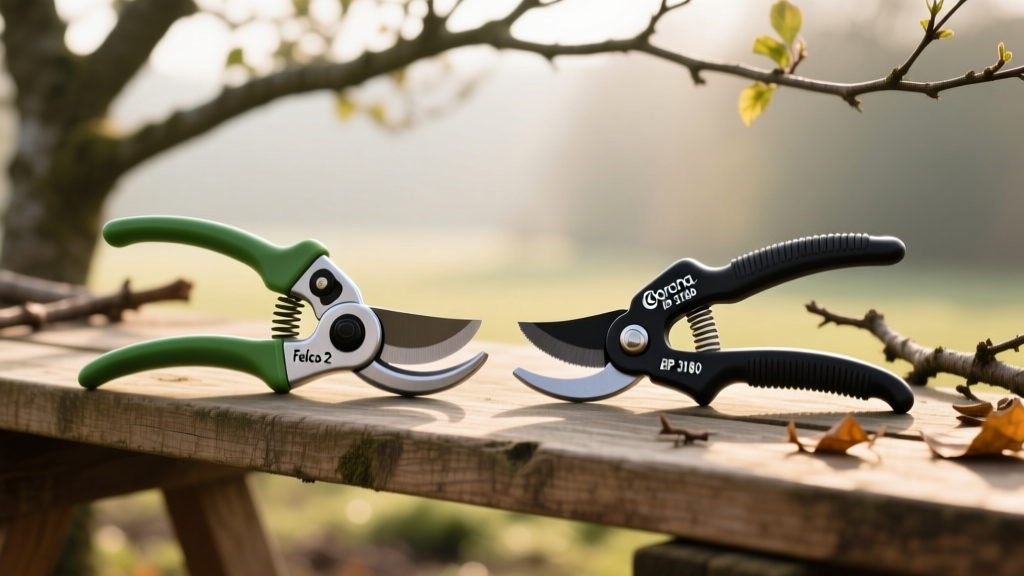
Felco vs Corona Bypass Pruning Shears for Tree Care
Anna KowalskiPublished
Introduction to Precision Tree Pruning Tools
When it comes to precision tree care, the tools you use are just as critical as your knowledge of arboriculture. Whether you are maintaining a small backyard orchard, shaping ornamental Japanese maples, or performing structural pruning on young shade trees, making clean, precise cuts is non-negotiable. Ragged or crushed cuts leave trees vulnerable to wood-decaying fungi, pest infestations, and environmental stress. This is why investing in a high-quality pair of bypass pruning shears is one of the most important decisions a homeowner or landscaping professional can make.
Bypass pruners operate much like a pair of scissors. A sharp, curved cutting blade passes closely by a thicker, curved lower jaw (the anvil or hook). This shearing action slices cleanly through live, green wood without crushing the delicate cambium layer beneath the bark. In the world of arboriculture and horticulture, two models consistently rise to the top of the discussion: the legendary Felco 2 Classic and the robust Corona BP 3180 Forged Bypass Pruner. Both are exceptional tools, but they cater to slightly different needs, budgets, and ergonomic preferences. In this comprehensive comparison, we will break down the specifications, performance, and long-term value of both pruners to help you decide which one deserves a permanent spot in your tree care kit.
Felco 2 Classic: The Swiss Standard for Arborists
The Felco 2 Classic has been the gold standard for professional landscapers, orchardists, and serious gardeners since its introduction in 1948. Manufactured in Switzerland, the Felco 2 is renowned for its precision engineering, exceptional balance, and unparalleled longevity. The cutting blade is crafted from hardened high-carbon steel, ensuring it holds a razor-sharp edge even after hundreds of cuts through dense, fibrous branches.
One of the standout features of the Felco 2 is its modularity. Every single component of this tool—from the cutting blade and anvil to the spring, screws, and even the handle grips—can be individually replaced. This means that with proper maintenance, a single pair of Felco 2s can literally last a lifetime. The tool also features a sap groove that prevents the blades from sticking together when pruning resinous trees like pines or spruces, and a built-in wire cutting notch near the pivot point that allows you to snip soft garden wires without dulling the primary cutting edge. The extruded aluminum handles are coated with a non-slip plastic grip, and the integrated shock absorbers significantly reduce wrist strain during long pruning sessions.
Corona BP 3180: Heavy-Duty Forged Performance
The Corona BP 3180 is a formidable competitor that appeals to those who prefer a heavier, more rugged tool with modern ergonomic enhancements. Corona is a highly respected name in agricultural and landscaping tools, and the BP 3180 showcases their commitment to durability. Unlike the extruded aluminum handles of the Felco, the Corona BP 3180 features fully forged aluminum alloy handles. Forging creates a denser, stronger metal structure that can withstand immense lateral torque and heavy-handed use without bending.
The cutting blade is also forged from high-carbon steel and features a non-stick coating that helps reduce friction and sap buildup. Where the Corona truly differentiates itself is in the grip. It utilizes Corona's proprietary ComfortGEL technology, which features thick, shock-absorbing gel inserts that conform to the user's hand. For gardeners who suffer from arthritis, carpal tunnel syndrome, or general joint fatigue, the BP 3180 offers a noticeably softer, more forgiving grip right out of the box. While it does not offer the complete 100% modularity of the Felco 2, the cutting blade and the heavy-duty coil spring are easily replaceable, which covers the most common wear-and-tear components.
Head-to-Head Specification Comparison
To visualize how these two industry-leading bypass pruners stack up against one another, review the detailed comparison chart below:
| Feature | Felco 2 Classic | Corona BP 3180 |
|---|---|---|
| Cutting Capacity | 1 inch (25mm) | 1 inch (25mm) |
| Blade Material | Hardened high-carbon steel | Forged high-carbon steel (non-stick) |
| Handle Material | Extruded aluminum w/ plastic grip | Forged aluminum w/ ComfortGEL |
| Overall Length | 8.5 inches (215mm) | 8.5 inches (215mm) |
| Weight | 8.5 oz (240g) | 9.6 oz (272g) |
| Sap Groove | Yes | Yes |
| Wire Cutting Notch | Yes | No |
| Shock Absorbers | Yes (Integrated rubber bumpers) | Yes (Gel grip and bumper) |
| Replaceable Parts | Every single component | Blade and spring only |
| Average Retail Price | $60 - $65 | $50 - $55 |
The Science of Clean Cuts and Tree Health
Why does the quality of your bypass pruner matter so much for tree health? The answer lies in a biological process known as CODIT (Compartmentalization of Decay in Trees). When a tree is wounded, it does not 'heal' in the way human skin does; instead, it forms chemical and physical barriers around the wound to 'compartmentalize' the damage and prevent decay from spreading into the healthy heartwood.
According to experts at The Morton Arboretum, clean, smooth cuts made by sharp bypass pruners allow the tree's callus tissue to roll over the wound efficiently. If a pruner is dull, or if you use an anvil-style pruner on live wood, the bark and cambium are crushed. This leaves a ragged, torn wound that takes much longer to compartmentalize, providing an open doorway for wood-boring insects and fungal spores. Both the Felco 2 and the Corona BP 3180 are capable of making these vital, clean cuts, provided they are kept sharp. However, the Felco's harder steel edge tends to retain its sharpness slightly longer when cutting through highly abrasive woods like oak or hickory.
Step-by-Step Guide to Making the Perfect Pruning Cut
Owning the right tool is only half the battle; using it correctly is where true tree care happens. The Arbor Day Foundation emphasizes the importance of identifying the branch collar and the branch bark ridge before making any cut. Here is how to use your bypass pruners for optimal tree health:
- Locate the Branch Collar: This is the swollen area at the base of the branch where it meets the trunk. It contains specialized cells necessary for wound closure.
- Identify the Bark Ridge: This is the rough, raised line of bark that forms in the angle between the branch and the trunk.
- Position the Pruner: Place the pruner just outside the branch collar. Never cut flush against the trunk, as this removes the collar and creates a massive, slow-healing wound.
- Angle the Cut: Angle your cut slightly away from the trunk to allow water to run off the cut surface, preventing rot.
- Use the Correct Blade Zone: Place the branch deep into the jaws, as close to the pivot point as possible. Cutting at the very tip of the blades reduces leverage and increases the risk of twisting the blade or tearing the bark.
Pro Tree Care Tip: 'Always sanitize your pruning shears between cuts when dealing with diseased wood or moving between different tree species. A simple wipe down with 70% isopropyl alcohol can prevent the devastating spread of pathogens like Oak Wilt, Fire Blight, and Dutch Elm Disease from tree to tree.'
Ergonomics, Maintenance, and Longevity
When pruning a mature apple orchard or shaping dozens of hydrangea bushes, hand fatigue is a real concern. The Felco 2 is lighter (8.5 oz) and features a rotating handle option in other models (though the classic Model 2 is fixed), but its standard plastic grip can feel a bit rigid during hours of continuous use. The Corona BP 3180, while slightly heavier at 9.6 oz, distributes its weight beautifully and the ComfortGEL grips are noticeably superior for users with smaller hands or joint sensitivities.
Maintenance is where the Felco 2 secures its legacy. At the end of a pruning season, you can completely disassemble a Felco 2 using a standard Torx or flathead screwdriver, clean every part with a wire brush and solvent, sharpen the blade with a diamond file, grease the pivot, and reassemble it. The University of Minnesota Extension notes that regular tool maintenance, including oiling the springs and wiping down blades after use, is essential for preventing rust and ensuring tools do not tear bark. If you snap the spring on a Felco, you buy a $3 replacement spring. If you manage to bend the extruded handle after years of extreme abuse, you can buy a replacement handle. The Corona BP 3180 allows for blade and spring replacement, but if the forged handle bends or the internal pivot housing degrades, the tool must be retired.
Final Verdict: Which Pruner Belongs in Your Tool Belt?
Choosing between the Felco 2 and the Corona BP 3180 ultimately comes down to your specific priorities as a gardener or arborist.
Choose the Felco 2 Classic if: You are a professional landscaper, a serious orchardist, or a homeowner who views tools as lifetime investments. You want a lightweight, perfectly balanced tool with a wire-cutting notch, and you value the ability to replace every single component to keep the tool running for decades. The slightly higher upfront cost is easily justified by its unmatched lifespan and precision Swiss engineering.
Choose the Corona BP 3180 if: You prioritize out-of-the-box ergonomic comfort, suffer from hand fatigue or arthritis, and prefer a heavier, forged tool that feels virtually indestructible in the hand. It is an outstanding, rugged workhorse that offers phenomenal cutting performance and gel-cushioned comfort at a slightly more accessible price point, making it an incredible value for weekend warriors and dedicated home gardeners alike.
Whichever model you select, remember that the best pruning shear is one that is kept sharp, clean, and used with a deep respect for the biology of the tree. Proper pruning promotes vigorous growth, stunning floral displays, and structural integrity that will help your trees withstand severe storms for generations to come.